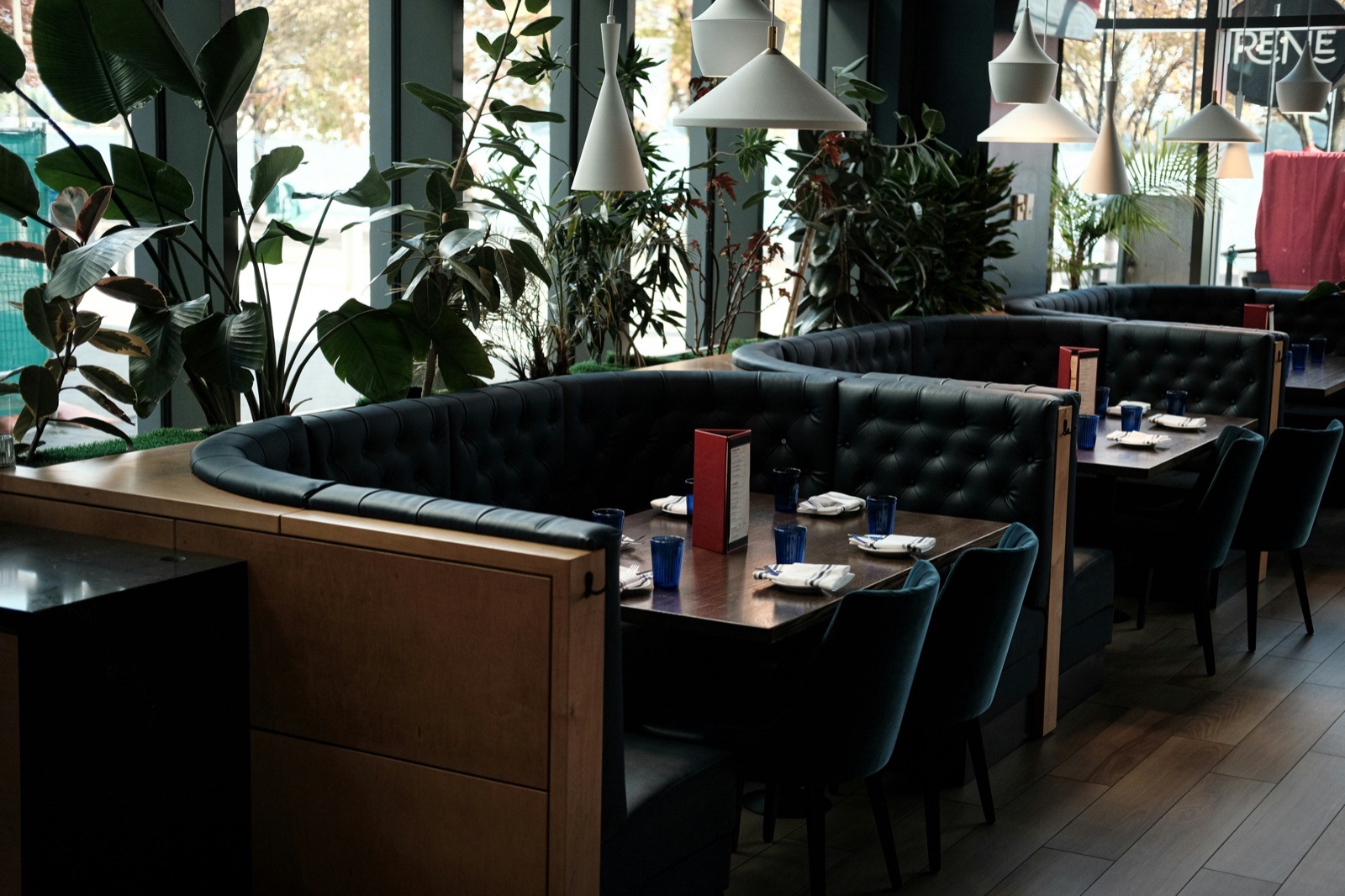
True Food Kitchen, a restaurant chain that says food that is good for you and food you crave "shouldn't be two different orders", filed for Chapter 11 bankruptcy on Sunday. It closed 12 restaurants the same day, about a quarter of the 46 it had at its peak, and left 34 open in 14 states.
The filing was made in the US Bankruptcy Court for the Southern District of Texas in Houston, by FRC Balance LLC and eight affiliates, according to the case page kept by the company's claims agent. A judge heard the first-day motions on Monday.
The numbers in the court papers show how little room was left. The company had about $1.6 million of unrestricted cash, George Koutsonicolis, a financial adviser, said in court documents reported by Fox Business, enough to cover operations and bankruptcy costs for only about two weeks without new financing. Nathan Cook, the chief restructuring officer, listed approximately $42.1 million of funded debt. That debt included merchant cash advance agreements with multiple vendors, Fast Casual reported. Under such agreements a business receives cash up front and repays it from a share of its future card sales.
A chain that did not shrink much
The striking thing is how modestly the business itself had slipped. Systemwide sales were $312 million in 2025, down 0.7 per cent from a peak of $314 million in 2024, according to Technomic data cited by Nation's Restaurant News. It was the chain's first year of falling sales. On those figures, the cash it had on hand when it filed was worth less than two days of last year's sales.
Four years ago the chain was raising money, not running short of it. In 2022 it announced a $100 million investment round led by HumanCo and Manna Tree, with support from Centerbridge Partners, Bloomberg reported in a story published by The Straits Times. Oprah Winfrey, who invested in 2018, remains a minority shareholder, a spokeswoman said; Centerbridge no longer is.
What the court papers blame
Mr Cook's declaration puts most of the damage down to the company's own decisions. "The Company experienced significant management turnover, which resulted in frequent changes to expansion strategy, brand direction, and menu offerings," he said, as quoted by Fox Business.
Under successive leaders, he wrote, the chain invested beyond its core markets and in new product lines and restaurant concepts that were "unsuccessful and outside the Company's core mission and menu," Restaurant Dive reported. During the pandemic it turned some restaurants into ghost kitchens and opened a delivery-only kitchen; Mr Cook said those experiments hurt staffing and the dining experience, and they have since ended. Some locations never drew the traffic expected, and others became less profitable as their neighbourhoods changed.
A lawyer for the company told the judge on Monday that a cyclospora outbreak in July "also didn't help", according to Bloomberg.
The founders were the wellness author Andrew Weil and the restaurateur Sam Fox, who opened the first True Food Kitchen in Phoenix in 2008. It was spun out of Fox's restaurant group in 2017 as FRC Balance, with 20 restaurants, Restaurant Dive reported, and grew to its peak of 46 in the following years.
The investor becomes the lender
The company has a commitment of about $20 million in debtor-in-possession financing from HumanCo TFK IV, subject to court approval, according to its press release. Bloomberg identified the lender as an affiliate of HumanCo, the firm that led the 2022 round. Together with cash from operations, the company said, the loan should carry it through bankruptcy and a court-supervised sale.
"This process is the best path forward to simplify the business and focus on what we do best: delivering craveable, health-forward food and genuine hospitality," said Jeff Chandler, the chief executive, who joined in July from Hopdoddy. Before the filing the company cut corporate staff, renegotiated vendor contracts and retained Gordon Brothers to review its real estate. It has asked to end leases in places including Miami, Chicago, New Orleans, Bethesda, Maryland, and Reston, Virginia.
True Food Kitchen is not the only once fast-growing chain to reach court this year. Salad and Go filed over the summer and closed 70 stores, with 7 Brew buying about 63 of them for $123 million, Restaurant Dive noted. On the Border has filed for Chapter 7 liquidation, and Fat Brands filed in January.
Who buys True Food Kitchen, and at what price, will be decided in Houston. The money keeping it open until then comes from the firm that led its last big fundraising.
The filing, the closures, the remaining restaurant count, the debtor-in-possession financing, the sale process, the advisers and Jeff Chandler's remarks are from True Food Kitchen's press release of 5 October 2026 and the case page maintained by its claims agent, Stretto. Unrestricted cash, funded debt and Nathan Cook's quoted declaration are as reported by Fox Business on 5 October. The merchant cash advances are as reported by Fast Casual. The 2022 investment round, the HumanCo affiliation of the lender, Centerbridge's exit, the lease list and the remark about the cyclospora outbreak are from Bloomberg's report as published by The Straits Times. The chain's history, peak restaurant count, Mr Cook's description of the failed concepts and the other restaurant bankruptcies are from Restaurant Dive. Sales figures are Technomic data as reported by Nation's Restaurant News, which is also the source for Mr Chandler's previous post at Hopdoddy. The comparison of cash with daily sales is this publication's calculation. Accurate to noon ET on 6 October 2026.