The NTSB has released flight data from the 767 that overran runway 30 at Miami on Sunday, and the sequence is unusual enough to set out carefully.
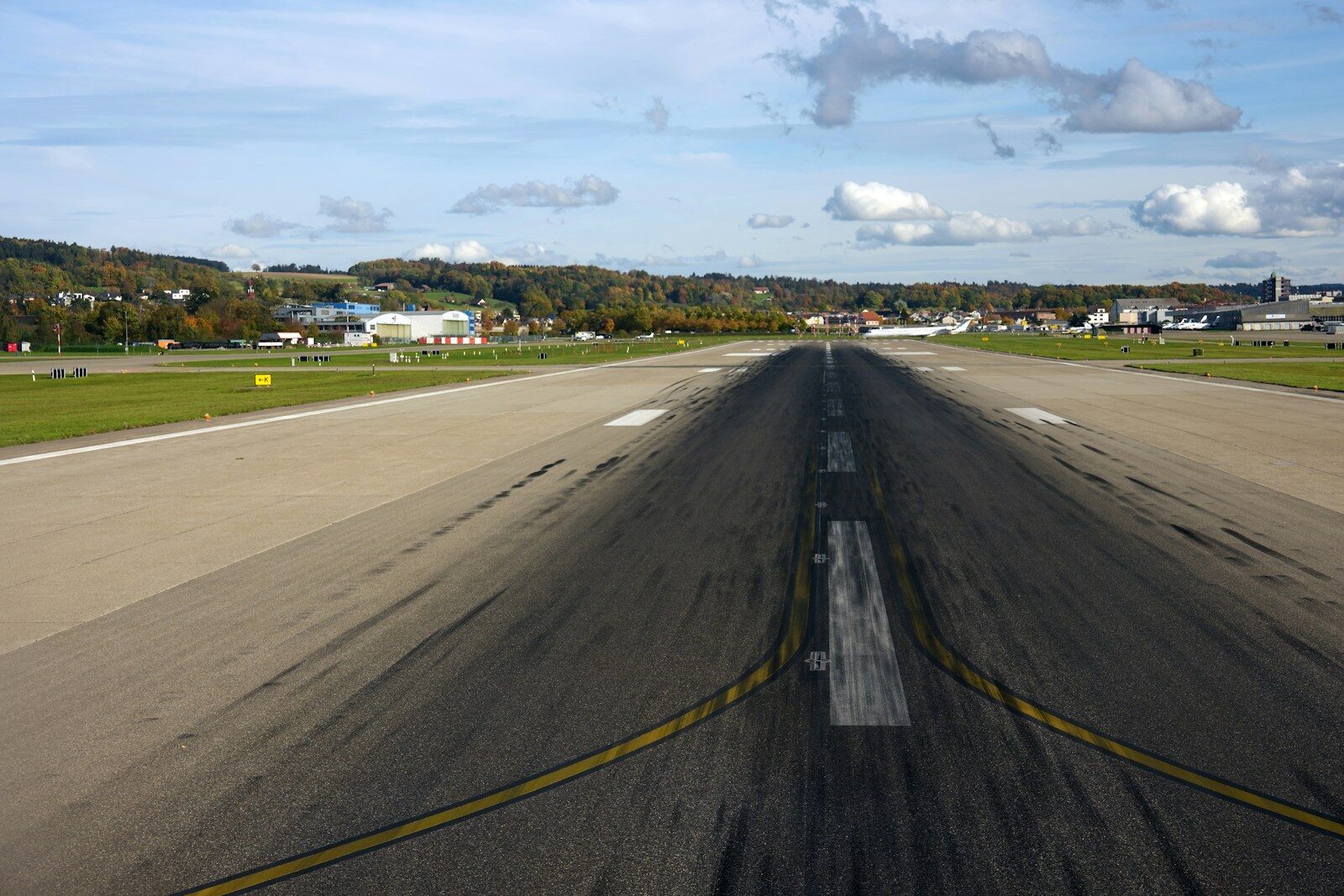
The nose gear and the right main gear touched the runway at 158 knots. The left main gear did not touch for another eleven seconds, by which point the aircraft had slowed to 134. The brakes were then released and the throttles advanced to values consistent with go-around thrust. The go-around was abandoned. Thrust reversers and speed brakes were apparently not deployed.
The aircraft left the end of the runway 1,300 feet later, struck two vehicles and burned. Five people died, none of them aboard.
No cause has been determined and the crew are being interviewed today. But one part of that sequence is worth explaining now, because it is the part that reads like a choice and is not one.
The two decisions are wired together
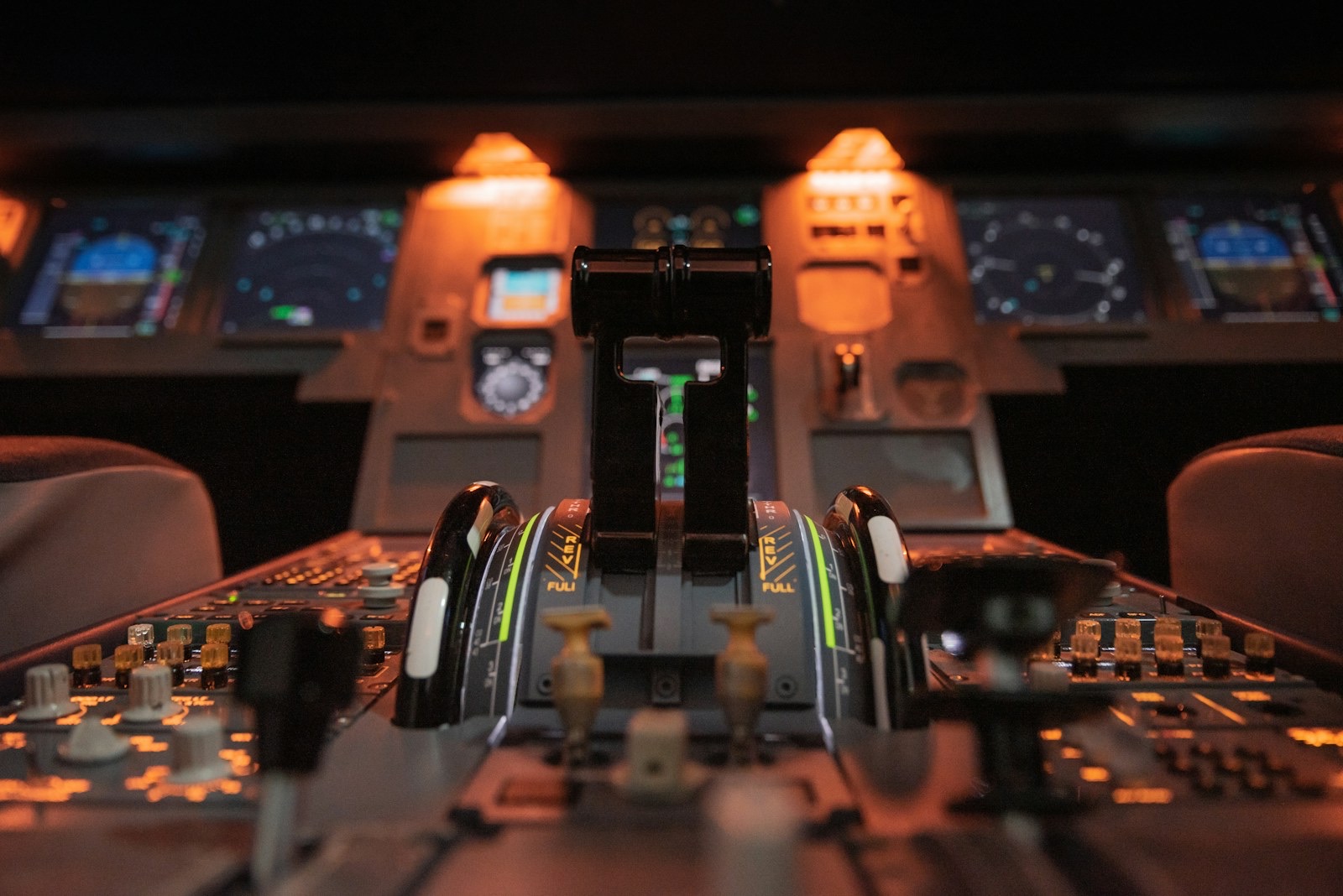
An airliner's deceleration on landing is largely automatic and largely conditional. Ground spoilers deploy on touchdown to dump lift onto the wheels; autobrake applies once the aircraft is established on the ground; reverse thrust is selected by the crew.
All of that is armed against a single assumption: that the aeroplane is landing. Advance the throttles toward go-around power and the aircraft's logic concludes it is not, and the devices stow. That is correct behaviour — an aircraft attempting to fly must not be holding itself down.
So a go-around initiated after touchdown does not sit alongside the landing as a second option. It cancels the first one. And if the go-around is then abandoned, the aeroplane is on a runway it has already spent, at speed, with the systems that would have stopped it retracted and needing to be commanded again by hand.
This is not an obscure hazard. The balked landing after touchdown is one of the named traps in transport flying, and it is trained precisely because the instinct — to leave and try again — is a good instinct that becomes the wrong one at a specific moment.
Eleven seconds on one main gear
The other number deserves attention on its own.
Nose gear and right main at 158 knots, left main eleven seconds later. That is a long time to be on the runway in an asymmetric attitude, and the 24-knot spread across those eleven seconds says the aircraft was decelerating while not fully down.
An aircraft that is partly on the ground is in the worst configuration it can be in: too committed to fly comfortably, not planted enough for the ground systems to do their work with full authority. Whatever produced that attitude — and crosswind, technique, gust, or something else are all still open — it consumed both runway and the window in which a go-around was still the safe choice.
What this does to Monday's question
This desk wrote on Monday that a long float subtracts from stopping distance at the speed where braking works least, and that the industry's answer is not better brakes but a rule about when to stop trying.
The data now suggests something more specific than a float: a landing that went in unstable, followed by a decision to leave that was taken after the point at which leaving was available. If that holds, the finding will be about go-around criteria and stabilised-approach discipline — the operator's training and standard operating procedures.
That sits with 21 Air, which holds the certificate. Amazon does not hold one and never has, and every function this line of inquiry touches — approach criteria, callouts, when a first officer is required to demand a go-around — belongs to the carrier.
The experience question, stated fairly
The captain has 7,145 hours and took his 767 type rating in May. The first officer has 2,655 hours and was rated on type in April 2025.
Those are not low totals. They are, however, relatively recent type ratings on a specific aeroplane, and the aircraft itself is 32 years old — an airframe with cockpit systems and handling characteristics that differ from the fleets many pilots come from.
None of that is a finding, and pointing at hours is the laziest thing available in an accident story. It is on the record because the NTSB put it there, and because time on type is one of the variables the investigation will weigh.
What to watch
Not the cockpit voice recorder transcript, which will be released and will be read for drama.
Watch whether the preliminary report addresses the operator's stabilised-approach criteria and its go-around policy below a defined height. Those are documents, they exist today, and they will say whether this crew departed from a standard or followed one that permitted what happened.
And watch what the recommendations say about the runway safety area. Whatever the approach, the five people who died were in vehicles at the end of it, and that is a separate failure that no amount of go-around discipline addresses.
The NTSB's account of flight data indicating that the nose and right main landing gear touched down at 158 knots some 30 seconds before the end of the recording and the left main gear at 134 knots some 19 seconds before the end; that the brakes were subsequently released and the throttles advanced to values consistent with go-around thrust before the manoeuvre was abandoned; that thrust reversers and speed brakes were apparently not deployed; the overrun of runway 30 by about 1,300 feet by the 32-year-old Boeing 767 operated by 21 Air; the five deaths and five injuries; the flight hours and type-rating dates of the captain and first officer; and NTSB chair Jennifer Homendy's statement that investigators would interview both pilots and subsequently release cockpit voice recorder details are as reported by Reuters, NPR, US News, AeroTime and Simple Flying on 8 and 9 September 2026. The NTSB has determined no probable cause and none is asserted here. The description of ground spoiler and autobrake logic is general to the type and is our own exposition.
Topics businessaviationsafetyntsblogistics