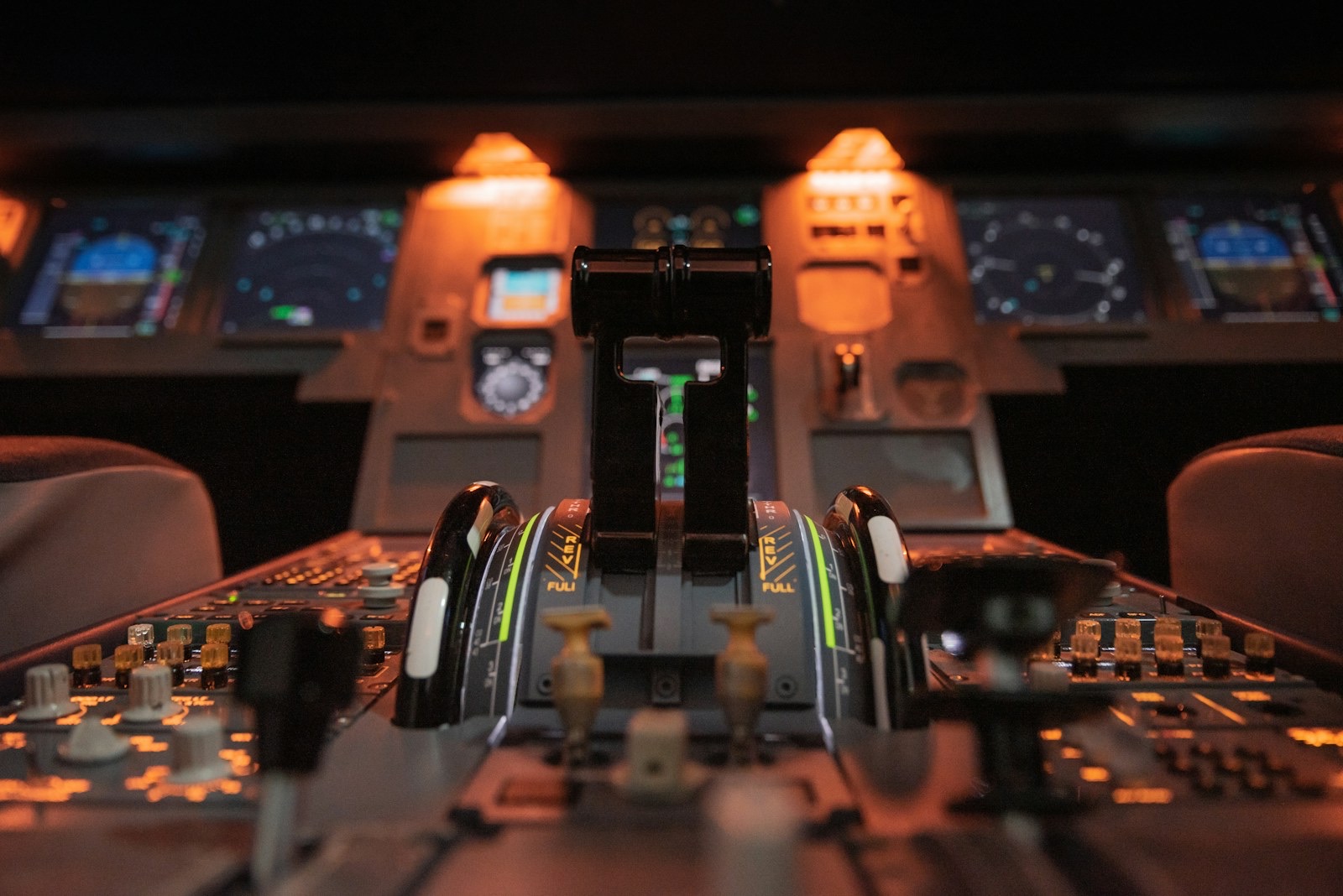
The cockpit voice recorder from the 767 that overran runway 30 at Miami held more than two hours of clean audio. The NTSB waited to release the readout until after it had interviewed both pilots, who survived.
On it, about one minute and forty-two seconds before the crash, a pilot says the aircraft is going too fast. He says it again. The go-around is called seconds before the end, after the wheels were already down.
A hundred and two seconds separate the first statement from the decision.
What that interval rules out
It rules out surprise.
A great many accident narratives turn on a crew that did not know what was happening until too late — an instrument that misled, a warning that did not sound, a condition that developed faster than anyone could read it. Those investigations are about information.
This one cannot be. Somebody in that cockpit identified the problem out loud, in plain language, with more than a minute and a half of runway and altitude still available, and said it more than once. Whatever else the NTSB concludes, the crew's awareness of excessive speed is on the tape and it is early.
Which makes it a question about the gate, not the crew's eyes
Every commercial operator defines stabilised-approach criteria: by a set height, the aircraft must be on speed, on path, configured and with power set, or the approach is discontinued. The whole point of the rule is to convert a judgement made under pressure into a threshold checked against a number.
A hundred and two seconds before impact is, on a normal approach profile, comfortably before that gate. So the questions the readout raises are about the operator's procedures rather than about anybody's perception: what the carrier's criteria were, at what height they had to be met, who was required to call a deviation, and what was supposed to happen when somebody did.
This desk wrote yesterday that a go-around begun after touchdown removes an option rather than adding one, because advancing the throttles stows the ground spoilers and releases autobrake. That remains the mechanism of the overrun. This recording addresses the prior question — why the aircraft was still landing at that point at all.
The part that generalises past aviation
The uncomfortable thing on that tape is not that a problem went unnoticed. It is that a problem was named, aloud, by someone in the room, and the course did not change for a hundred and two seconds.
That is a pattern with a large literature behind it in this industry, which is why crew resource management exists at all: a warning issued as an observation — we're a bit fast — is not the same speech act as a warning issued as an instruction, and organisations that depend on the first are depending on the person with less authority choosing exactly the right words under load.
Nothing here establishes that dynamic was present in this cockpit, and it would be wrong to assert it. The interval is a fact; its cause is not yet known, and the pilots' own accounts from Wednesday's interviews will bear on it more than any outside reading of a transcript.
Where it leaves the structural question
The certificate holder is 21 Air. Amazon holds no FAA operating certificate and never has, so approach criteria, callout discipline and the training that enforces them all sit with the carrier.
That allocation has looked clean for four days and it still does. The one thread that could reach the customer is schedule pressure, and the honest position is that a transcript showing a fast approach says nothing about why it was fast. A crew can be behind the aircraft for a dozen reasons that have nothing to do with a contract.
What to watch
Not the full transcript, which will be published and quoted for its most dramatic line.
Watch two things in the preliminary report. The height at which the operator's stabilised-approach criteria applied, and whether the aircraft met them. Those two facts together will convert this from a story about a hundred and two seconds into a finding about whether a rule existed and was followed — which is the only version of this that changes anything for the next crew.
The NTSB's account of a cockpit voice recorder containing more than two hours of good quality audio, released after investigators interviewed both pilots on 9 September 2026; the warning by a pilot about one minute and forty-two seconds before the crash that the aircraft was going too fast, and continued comments about excessive speed; the calling of a go-around seconds before the end of the recording; the flight-data findings previously reported regarding touchdown speeds and the abandoned go-around; and the captain's flight hours and May type rating are as reported by ABC News, CNN, CBS Miami and CBC on 9 and 10 September 2026. The pilots were named in local reporting and are not named here, since no finding has been made against either. The NTSB has determined no probable cause. The discussion of stabilised-approach gates and crew authority is general to commercial operations and is our own.
Topics businessaviationntsbsafetylogistics