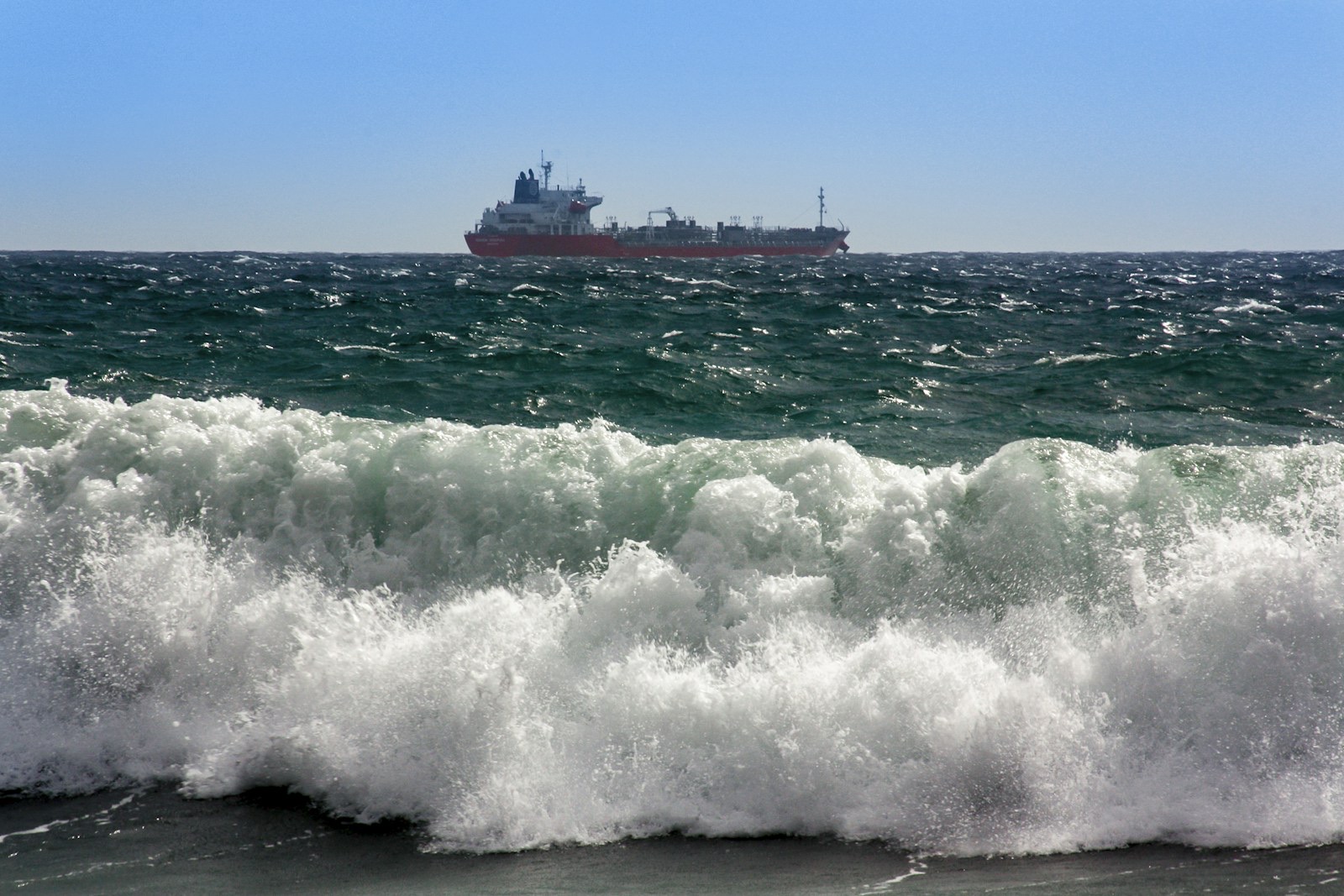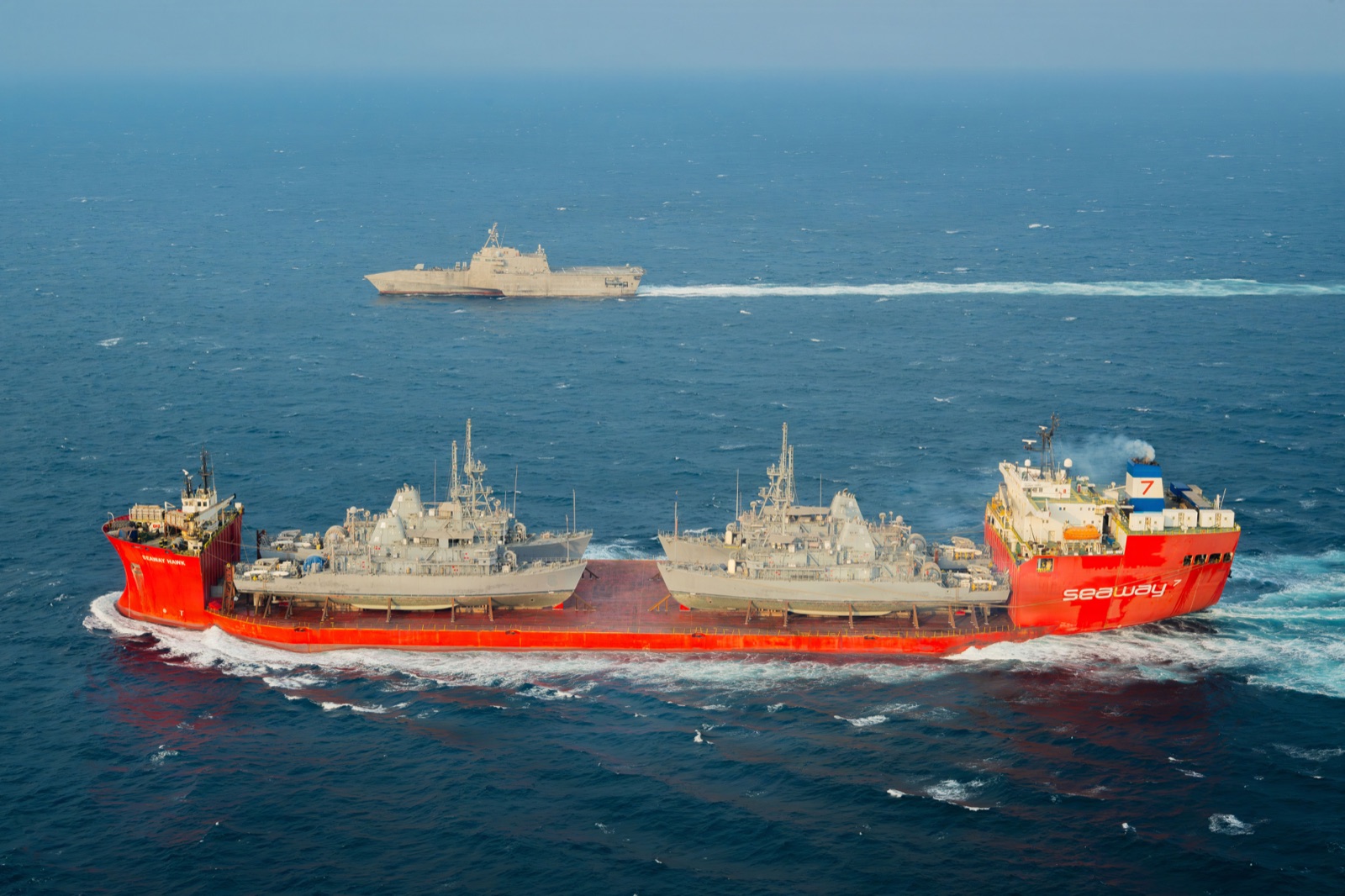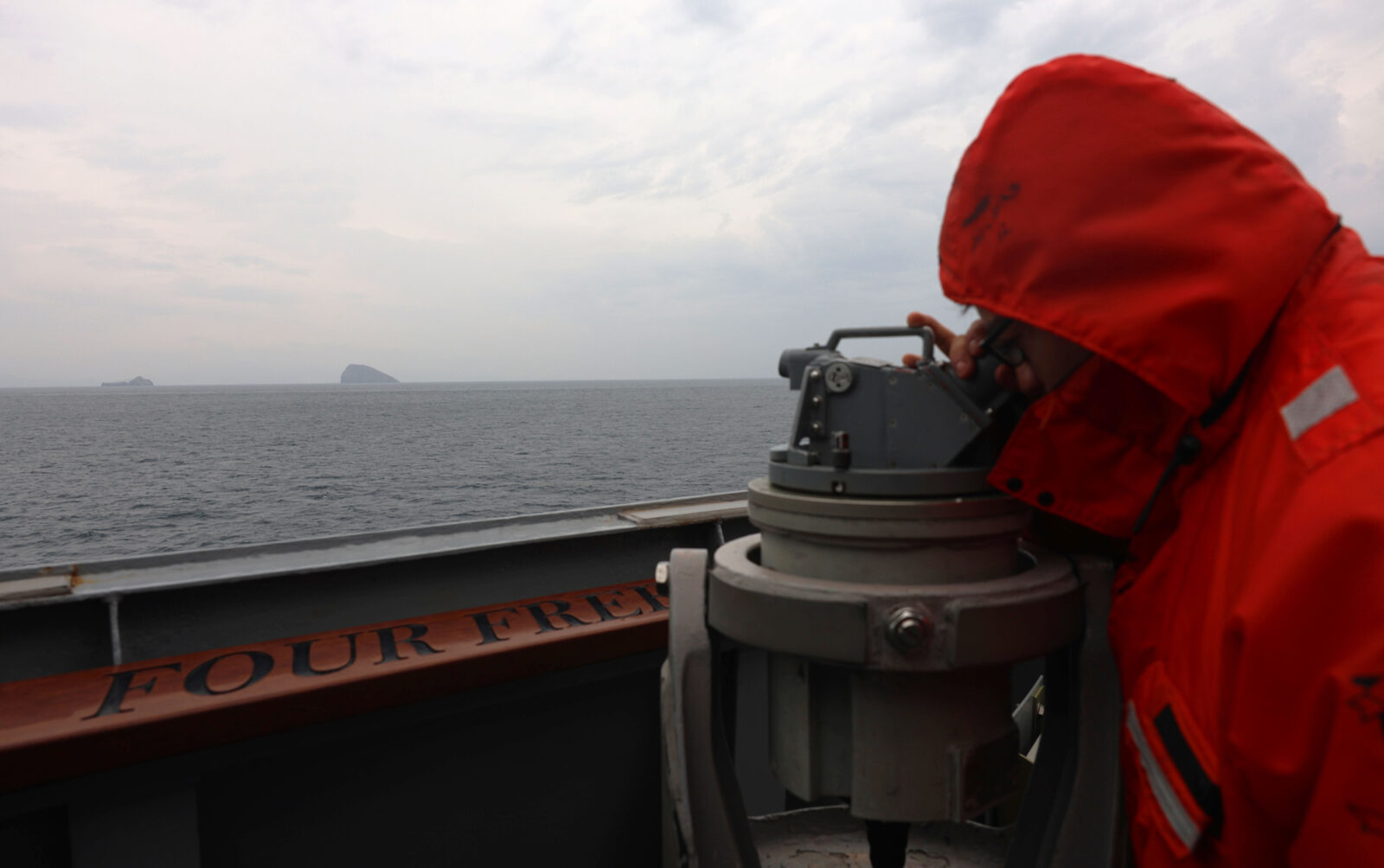
A guided-missile destroyer can put itself between a tanker and a threat. It has been doing so in the Strait of Hormuz for months. What it has not done is make the voyage cheaper.
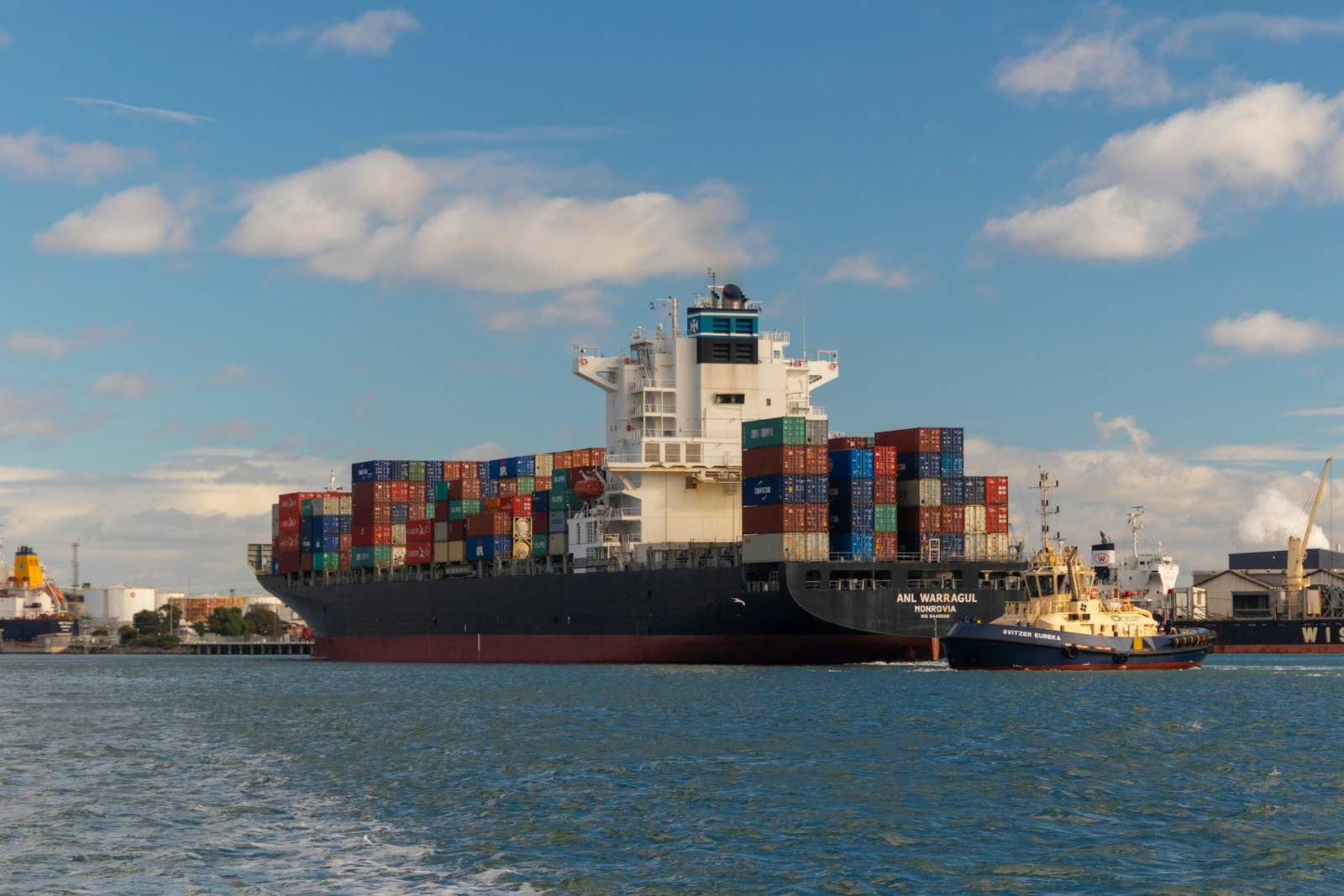
Before the war, war-risk cover for a Hormuz transit ran at one to three percent of a ship's hull value. Since, it has run at seven and a half to ten. On a 270,000-tonne crude carrier worth around $210m, the upper end of that is roughly twenty-one million dollars of insurance for one passage — a cost with no relationship to the cargo, the freight rate or the distance.
The escort did not move that number. It is worth understanding why not, because the reason is structural and it applies well beyond this strait.
Frequency and severity are different questions
An escort reduces the probability that a particular ship is attacked. That is a real service and it is not nothing.
An underwriter is not pricing the probability that a particular ship is attacked. They are pricing the distribution of outcomes across every ship they cover, and in this trade the distribution has one feature that dominates all others: the loss, when it happens, is total. A 270,000-tonne tanker is not damaged in a way that gets repaired and rebated. It is a two-hundred-million-dollar hull and a full cargo, and the claim arrives whole.
When severity is fixed at the maximum, reducing frequency moves the premium far less than intuition suggests. Halve the chance of a total loss and you have halved one term in the expected value — but the underwriter is not selling expected value. They are selling capacity against a tail, and they must hold reserves against the tail whether or not a destroyer is nearby.
The escort is also not a contract
There is a second reason, and it is the more fundamental one. The Navy is not a counterparty.
Insurance is an enforceable promise: a named entity agrees, in writing, to pay a specified sum on the occurrence of a specified event, and can be sued if it does not. A naval escort is a policy decision that exists at the discretion of a government, can be reduced or withdrawn on a week's notice, carries no obligation to any particular vessel, and pays nothing if the ship is lost.
An underwriter cannot take a discretionary military posture as collateral. It has no term, no limit, no exclusions and no signature. It cannot be modelled, and it cannot be recovered against. So it does not appear in the pricing except indirectly, as a modest adjustment to the frequency assumption, which — see above — is the term that matters least.
This is the part that surprises people who expect the state to be able to fix a market by showing up. The state can supply security. It cannot supply the promise, and the promise is what is being bought.
What a war-risk market actually did in February
Within about forty-eight hours of the airstrikes of 28 February, insurers terminated existing Gulf cover and re-offered it at a large multiple of the previous rate. Lloyd's Joint War Committee redesignated the entire Arabian Gulf as a conflict zone. Tanker traffic fell by more than eighty percent.
The cancellation is the part to notice. War-risk policies are written with short notice periods precisely so that the underwriter is never trapped on the wrong side of a war they did not price. The cover a shipowner held on 27 February did not carry into March; it was withdrawn and replaced at the new number, which is the market functioning as designed rather than failing.
That is also why an escort arriving in April could not undo a repricing that happened in February. The old rate was not suspended. It was cancelled.
Who ends up carrying it
Somebody always does, and it is rarely the party in the headline.
Where the private market will not write at any price, governments have stepped in as insurer of last resort — which converts a commercial exposure into a sovereign one without anyone voting on the size of it. That is the same movement this desk described in the catastrophe bond market, where the price is set by what insurers will not write rather than by what they will.
Where it is written, the cost lands in the freight rate, then in the delivered price of crude, then in the price of everything moved or made with it. Twenty million dollars on a single voyage is roughly twenty dollars a tonne on a Gulf-to-Asia cargo, and it is paid by people who have never heard of the Joint War Committee.
And it lands on the crews, who are the part of this trade with no hedge at all — the ships can reroute and the people aboard them cannot, and their wage premium is a fraction of the hull premium for the same voyage.
The reopening test
Traffic will not return when the shooting stops. It will return when underwriters write a sustained period of cover without cancelling it.
That is the measurable thing, and it lags the military situation by months rather than days, because what an underwriter needs is not the absence of an attack but a long enough record to price one. Watch the Joint War Committee's listed areas and watch renewal terms, not the news from the strait.
The strait has no alternative — there is no Cape of Good Hope for this one — which means the price of transiting it is the price of the oil. That price is currently being set in London, by people reading the same reports as everyone else and reaching a more expensive conclusion.
The move in war-risk cover from 1-3 percent of hull value to 7.5-10 percent is from an S&P Global assessment reported in July 2026 and cited by Al Jazeera on 26 August 2026. The cancellation and re-offering of cover at many times the pre-crisis rate within 48 hours of the 28 February 2026 airstrikes, the Lloyd's Joint War Committee redesignation of the Arabian Gulf as a conflict zone, the approximately $21m figure for a single transit by a 270,000-DWT tanker valued at about $210m, the fall of more than 80 percent in tanker traffic and the fact that escorted ships still require cover are as reported by Al Jazeera, The National and the Irregular Warfare Initiative between March and August 2026. Figures for the peak multiple of pre-crisis premiums vary substantially between outlets and are given here as ranges rather than as a single number. The analysis is our own.
Topics worldshippinginsurancehormuzenergy