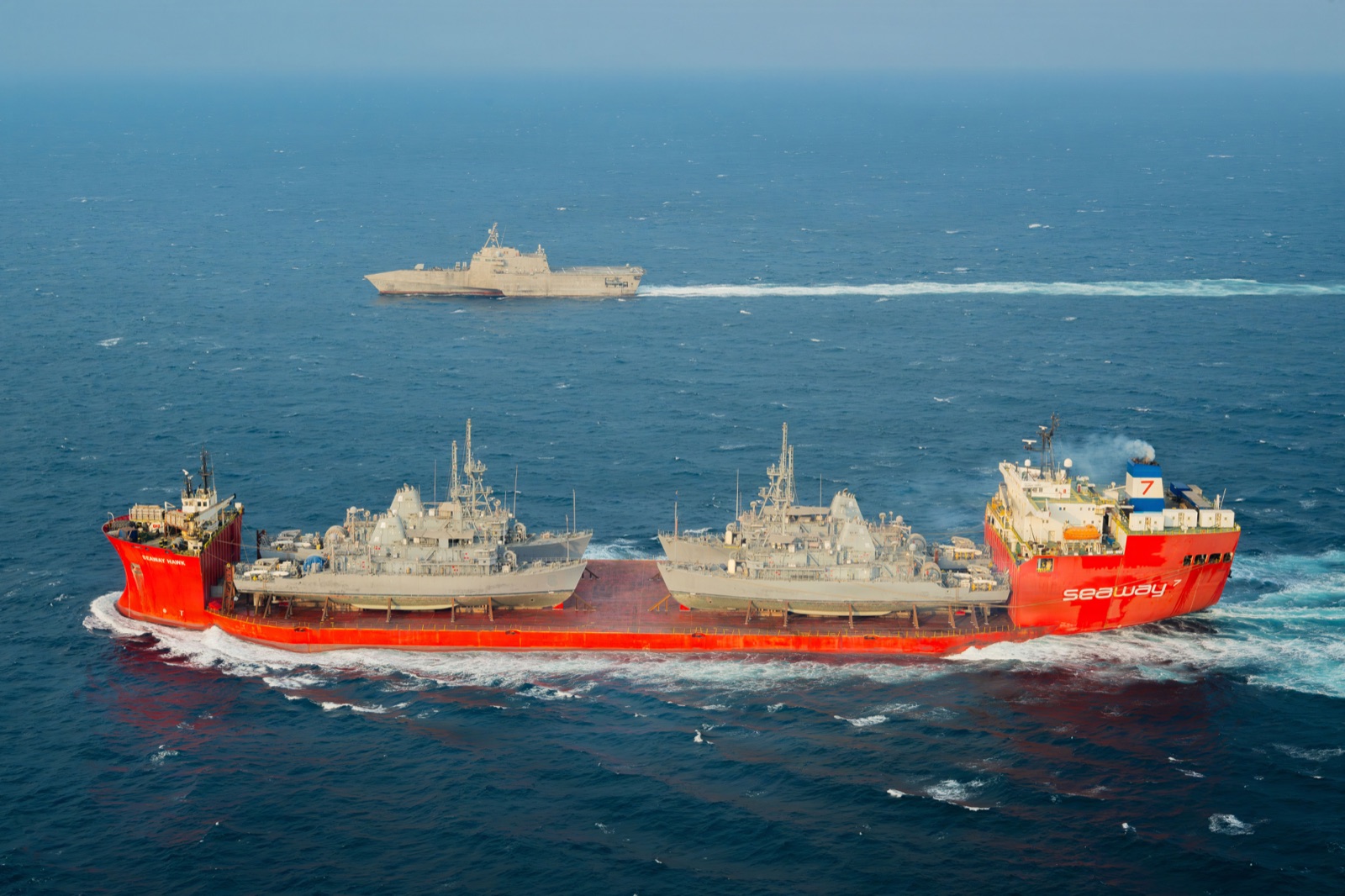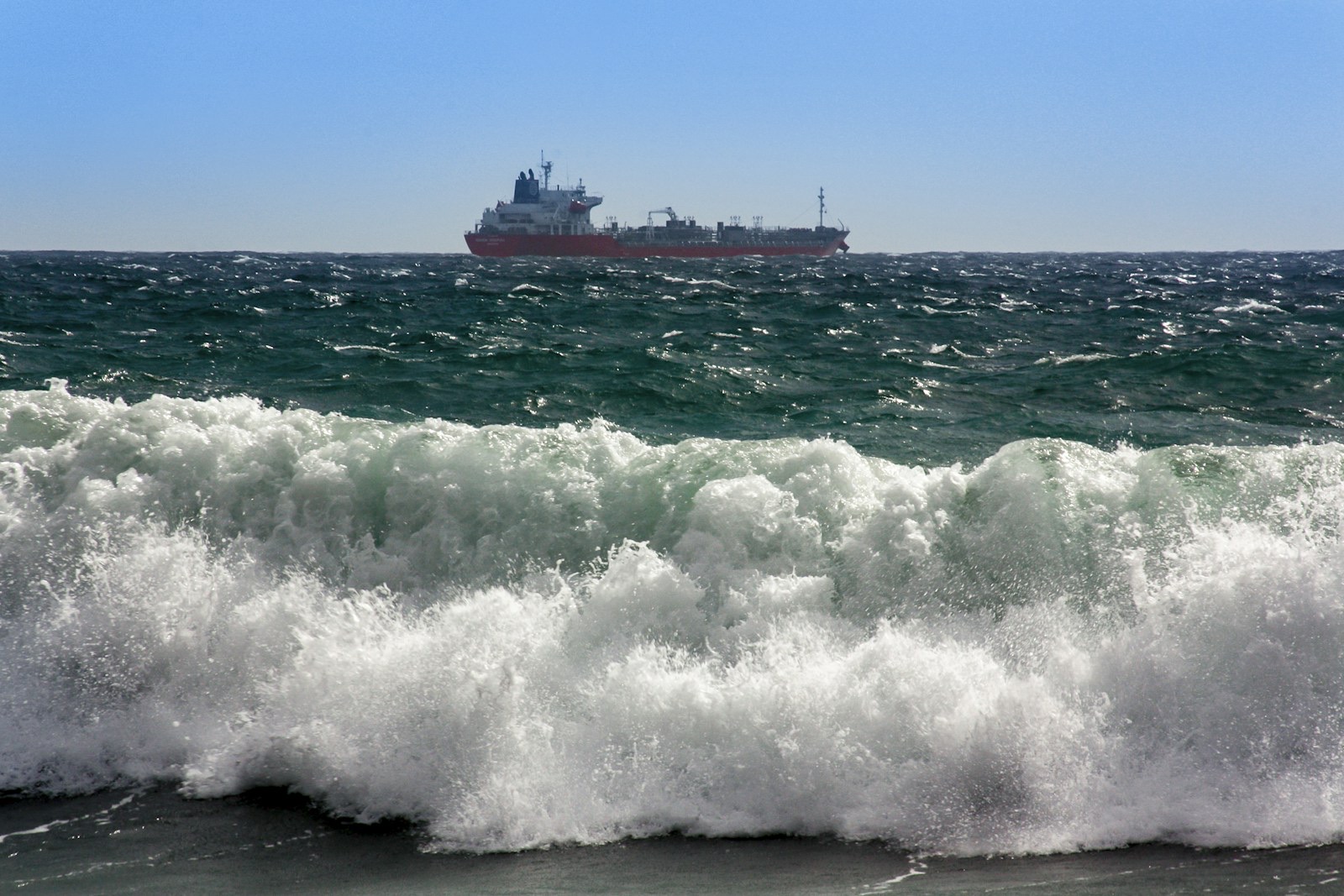
The Suez Canal has closed more than once, and each time the world found the same reassuring thing: there is another way. Ships bound from Asia to Europe went around the Cape of Good Hope, added roughly ten days and a great deal of fuel, and arrived. The route was worse in every commercial respect and it existed, which is the only property that mattered. A chokepoint with an alternative sets a price. It does not set a limit.
The Strait of Hormuz has no Cape. The Persian Gulf is a dead end — a body of water with exactly one maritime exit — and every cargo loaded at a terminal in Kuwait, Qatar, Bahrain, Iraq or Saudi Arabia's eastern coast has to pass through it. There is no longer, costlier, slower route to fall back on. There is the strait, or there is not shipping the cargo.
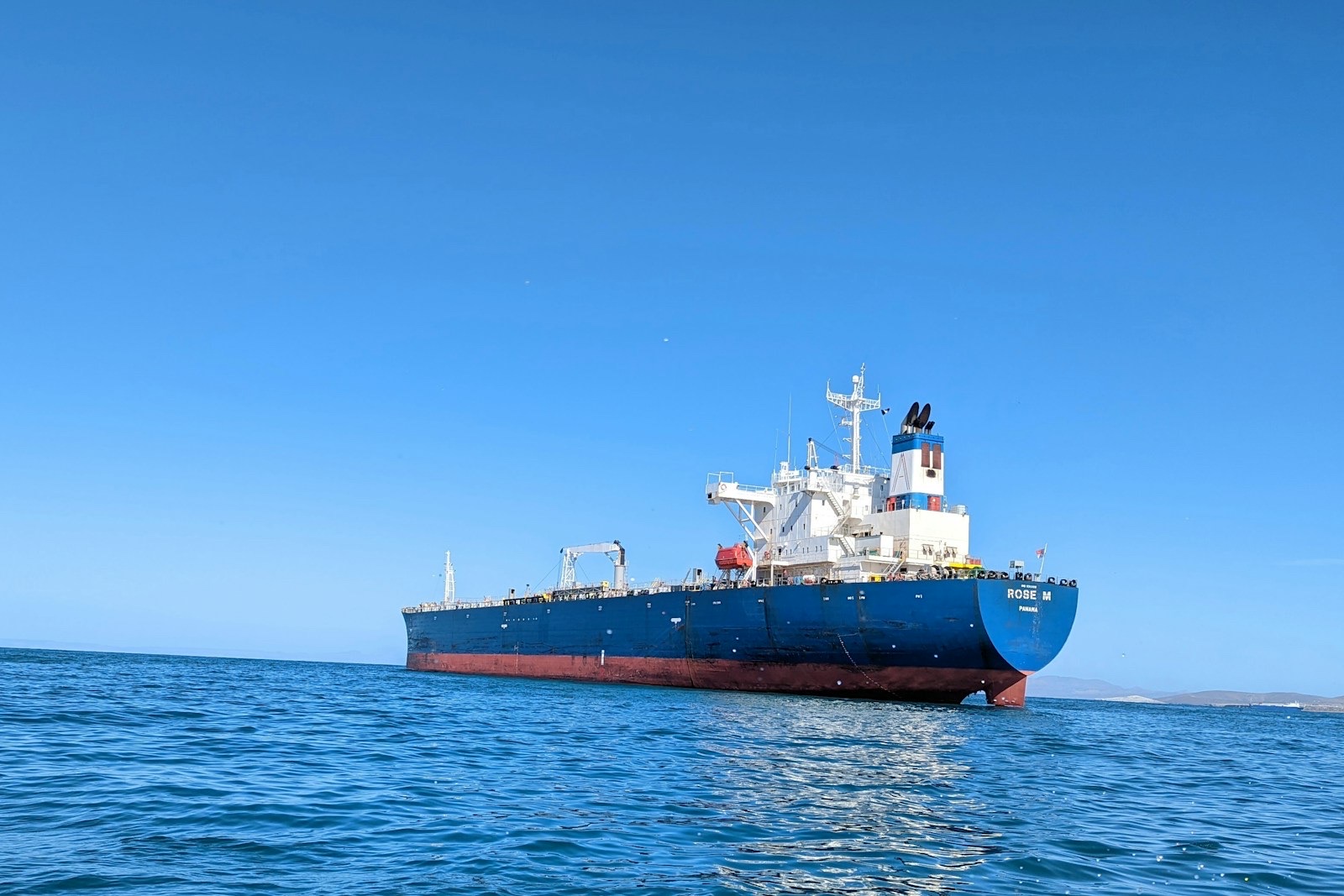
That distinction explains numbers that otherwise look like an error. Traffic through the strait has fallen about 95 percent from pre-war levels, from roughly a hundred vessels a day to about five between 15 July and 23 August, after an interim agreement in June had briefly restored it to twenty. Compare the Red Sea diversions of recent years, where traffic fell sharply and global trade volumes did not, because the ships were still sailing — just further. Here they are not sailing further. They are not sailing.
A pipeline is not a detour
The bypasses that exist are overland, and a pipeline differs from a sea route in every way that counts during a crisis. It has a fixed capacity that cannot be increased by adding vessels. It runs from one specific origin to one specific coast, which means it serves the producer who built it and nobody else — a Saudi line to the Red Sea does nothing for a Qatari LNG cargo. It cannot be chartered, redirected, or brought in from another ocean. And its capacity is a number decided years earlier by a capital committee that was solving for economics, not for a blockade.
So the adjustment shows up somewhere other than in freight. UNCTAD put the pre-war strait at 38 percent of the world's seaborne crude, 29 percent of its LPG and 19 percent of its LNG, and Gulf crude exports have since fallen roughly 47 percent — from about 17 million barrels a day to about nine. That gap did not reroute. Some of it is production shut in at the wellhead, some is demand met from elsewhere at a higher price, and the balance is a global oil price still running about a fifth above pre-war, having peaked above $130 in April.
The substitution that did occur is instructive because it was not a detour. Russian fuel oil moving to Singapore and Malaysia rose about two and a half times month-on-month in July: not the same barrels taking another path, but different barrels from a different origin serving the same buyers. Chokepoint disruption does not reroute a market. It reorganises who supplies it, which is slower and more permanent.
This is the structural half of the story this publication told from the other end last week, when the crews aboard those ships turned out to be the one layer with no way to transfer its risk. Both observations come from the same fact. When the exit is singular, every party's options collapse at once — the cargo owner's, the underwriter's, the seafarer's — and the contracts written for a world of alternatives stop describing the situation. It is why twenty-year gas contracts are being reopened: a delivery obligation priced on the assumption that the route exists is a different instrument when it does not.
The lesson generalises past this strait. Resilience is not redundancy in the abstract; it is whether a second path physically exists before it is needed — the same reason the fleet that repairs undersea cables is too small. A single route is not a risk to be managed. It is a condition, and the only way out of it is capacity bought in the years nothing goes wrong.
The geography is fixed, but the information about it is not: the cheapest thing in this conflict is now the footage.
Traffic, export and pricing figures are as compiled in Al Jazeera's 27 August 2026 account, which attributes commodity data to UNCTAD and Kpler and analysis to Gibson Shipbrokers. The comparison to Suez and the assessment of pipeline substitution are our own.
Topics worldshippingenergyoiltrade