The Pentagon's in-house lender has offered to put $1.5 billion into a chipmaker that went through bankruptcy a year ago. Wolfspeed said on 7 October that it had received a conditional commitment letter from the Department of War's Office of Strategic Capital for up to $1.5 billion of long-term financing, according to its announcement. The facility would be a senior secured delayed-draw term loan with a 30-year tenor.
It is a commitment letter, not a loan. Wolfspeed said the deal depends on "substantial due diligence," definitive agreements, governmental authorisations, appropriations and third-party consents, and that "there can be no assurance that definitive agreements will be executed or that any financing will be provided."
What the money is for
Wolfspeed makes silicon carbide (SiC) wafers and power devices, and, according to the Department of War, gallium nitride on silicon carbide (GaN-on-SiC) wafers, at plants in North Carolina, New York and Arkansas. It said it plans to use the financing to upgrade its GaN epitaxy capabilities for next-generation communications infrastructure and electronic warfare systems, and to develop radiation-hardening capabilities for its SiC and future GaN products. The commitment letter also describes a multi-year programme to strengthen its SiC materials and power-device business, to establish or expand domestic GaN power-device production, and to advance GaN-on-SiC radio-frequency epitaxial wafers.
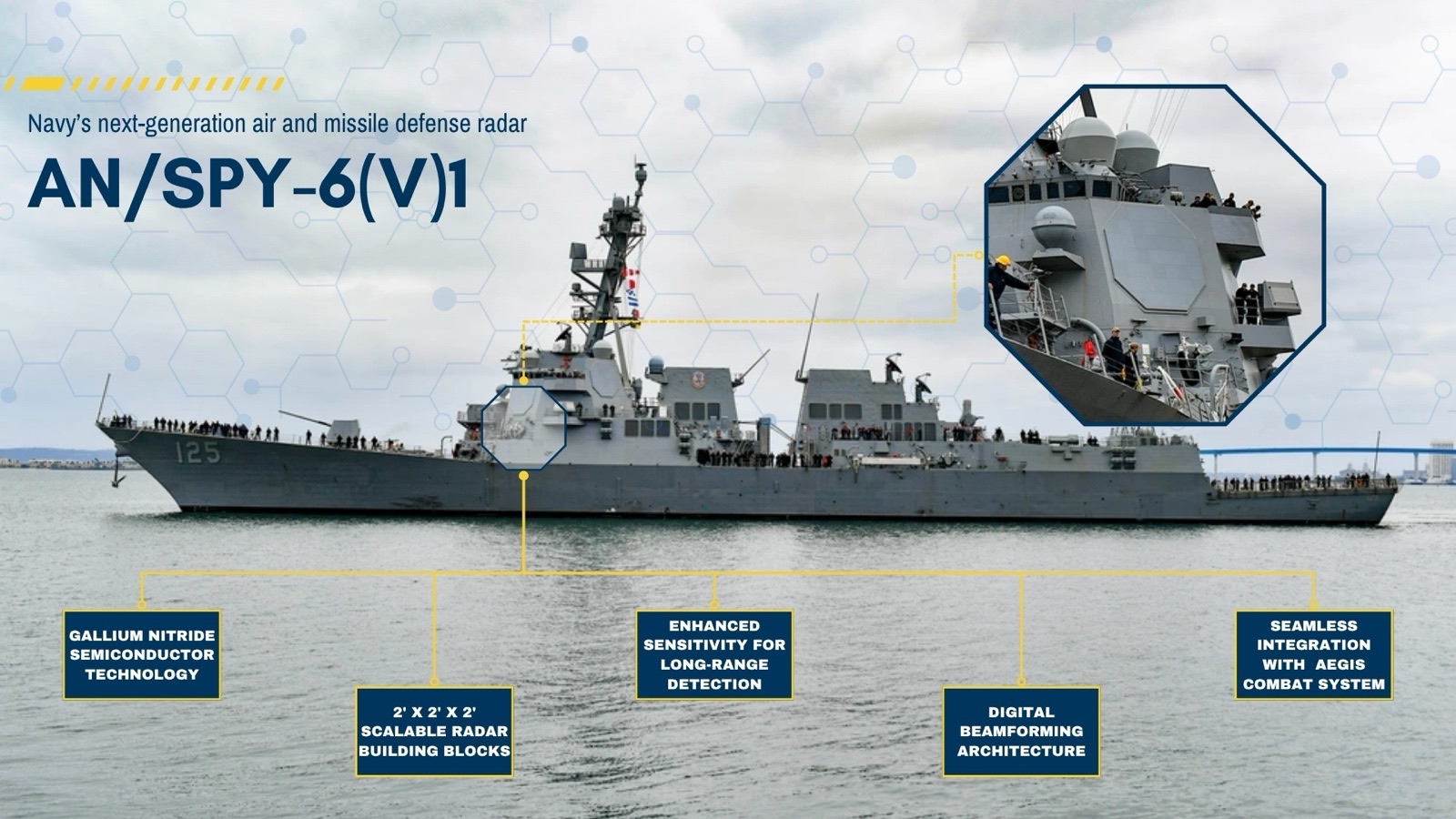
The Department of War said on Wednesday, the day of Wolfspeed's announcement, that the materials and devices have applications in propulsion systems, directed energy weapons, drones, electronic warfare, radar and missile defence, ExecutiveGov reported. The department said the financing would be combined with private capital.
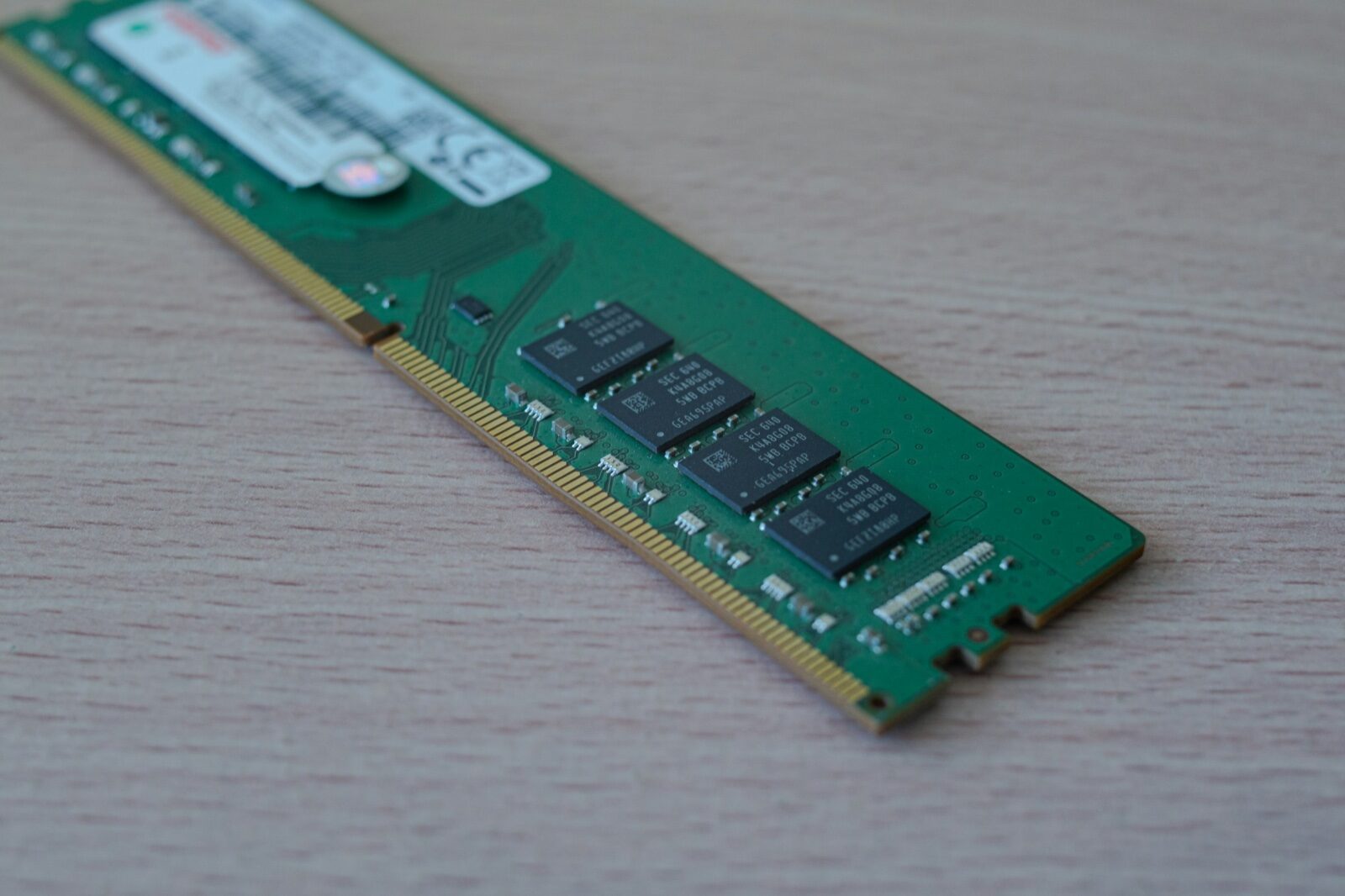
These are not the chips that train AI models. They manage and convert power, and in the radio-frequency versions they sit inside radar and electronic warfare transmitters. That is why the Pentagon is treating the supplier as a strategic asset, and it fits a wider pattern in which Washington is paying attention to the physical inputs of the semiconductor boom, not only to the leading-edge logic chips.
The strings
The government would not be only a lender. In connection with the financing, Wolfspeed said, it would be required to issue the Department of War warrants, priced on a volume-weighted average price basis, to purchase up to 7.5 per cent of its fully diluted equity in total. They would be issued pro rata as loan tranches are funded. A delayed-draw structure means the company can borrow in instalments rather than all at once, so the equity stake would arrive in the same instalments.
Robert Feurle, Wolfspeed's chief executive, said: "We believe the scale and 30-year tenor of this conditional commitment reflects the long-term importance of the technology and manufacturing capabilities Wolfspeed has built in the United States." Chief financial officer Gregor van Issum described it as "another significant milestone in our ongoing efforts to optimize Wolfspeed's capital structure and improve our financial foundation."
A company that has been here before
Wolfspeed filed for Chapter 11 protection in June 2025 with $6.5 billion in debt, and completed its restructuring on 29 September 2025, according to Startup Fortune. The same report says the restructuring cut debt by about 70 per cent, pushed maturities to 2030 and left existing shareholders largely wiped out. Separately, ExecutiveGov noted that in October 2024 the Department of Commerce and Wolfspeed signed a nonbinding preliminary memorandum of terms for up to $750 million in CHIPS and Science Act funding for a 200mm SiC wafer plant in Siler City, North Carolina.
The Office of Strategic Capital has made similar offers before. ExecutiveGov listed a conditional commitment of up to $820 million to Performance Drone Works in July, and another $700 million commitment in November 2025. The Wolfspeed letter is the largest of those named in the report.
What to watch
Three things will show whether this becomes real. The first is the definitive agreements, which will set the interest rate, the warrant strike price and the conditions on each tranche. The second is appropriations, which Wolfspeed itself lists as a condition. The third is what happens to the 2024 CHIPS Act terms, on which the sources reviewed here say nothing further. Until the loan closes, the practical effect is a signal: that the department is willing to hold a 30-year claim on a supplier of radar and electronic warfare components, and to take a slice of the equity in exchange.
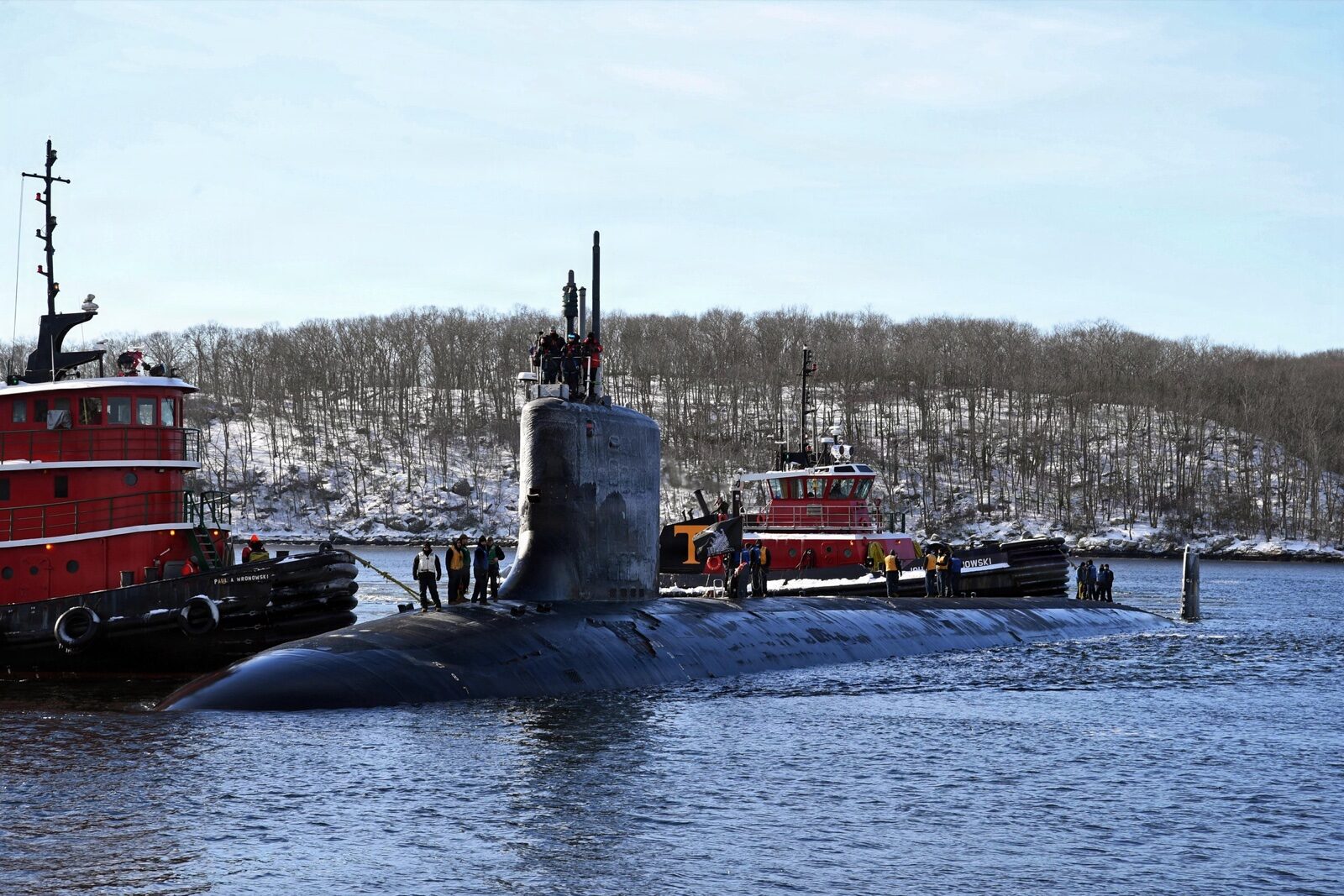
The commitment also sits beside a run of Pentagon spending aimed at the defence industrial base, from the Raytheon missile-defence contract announced this week to the Navy money behind Anduril's planned submarine yard. Those deals buy finished weapons and hulls. This one is for a component supplier further down the chain, the kind of lower-tier maker where, in the SM-3 announcement, the department said bottlenecks sit.
The commitment, the loan structure, the 30-year tenor, the uses of proceeds, the warrants for up to 7.5 per cent of fully diluted equity, the conditions to closing and the quotations from Robert Feurle and Gregor van Issum are from Wolfspeed's announcement of 7 October 2026, issued through Business Wire. The Department of War's description of the applications of the materials, the earlier Office of Strategic Capital commitments to Performance Drone Works and others, and the October 2024 CHIPS Act memorandum of terms are from ExecutiveGov's report of 8 October 2026 on the department's announcement. Wolfspeed's June 2025 Chapter 11 filing, the $6.5 billion of debt and the terms of its September 2025 restructuring are as reported by Startup Fortune on 8 October 2026. The analysis is our own.
Topics technologysemiconductorsdefence