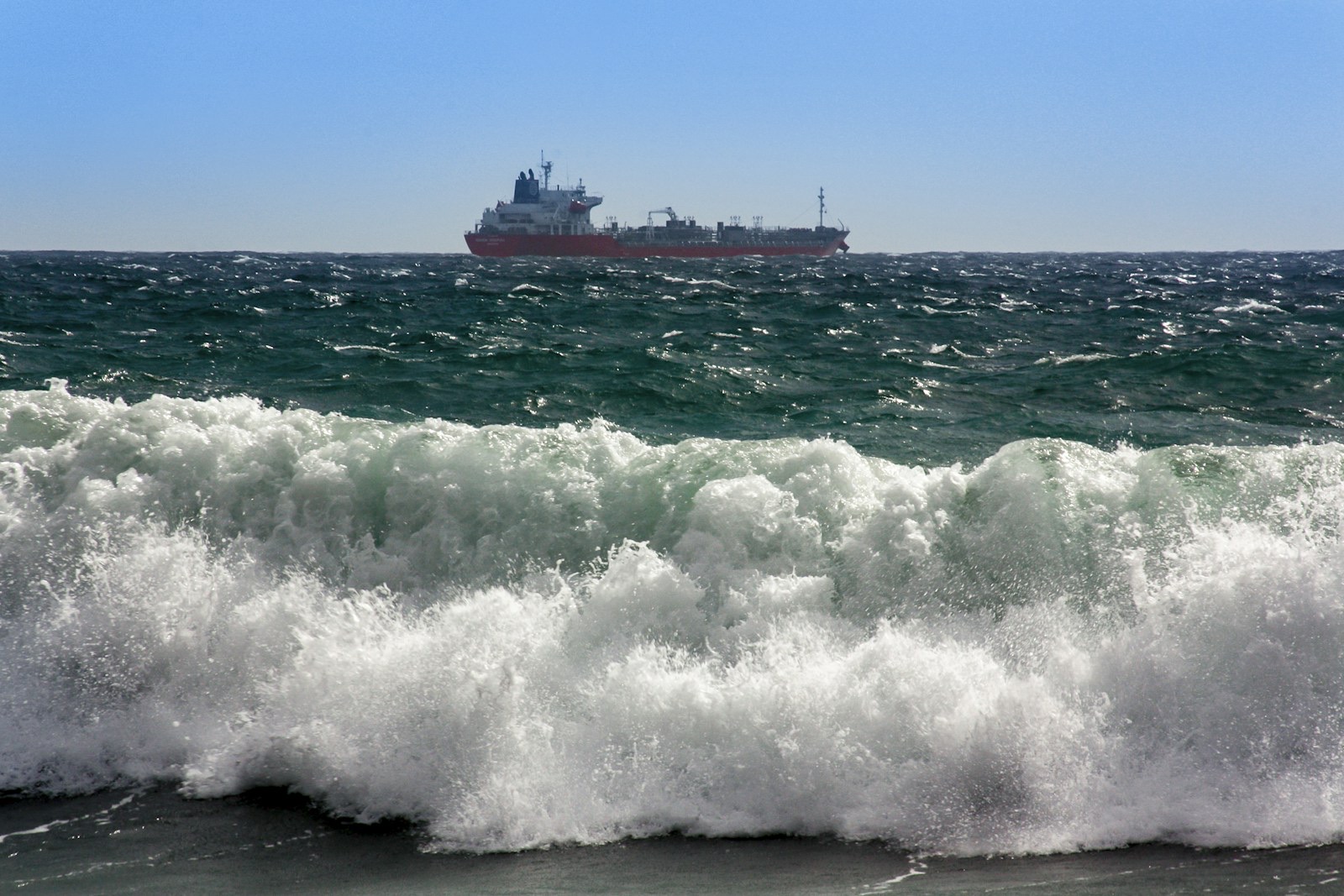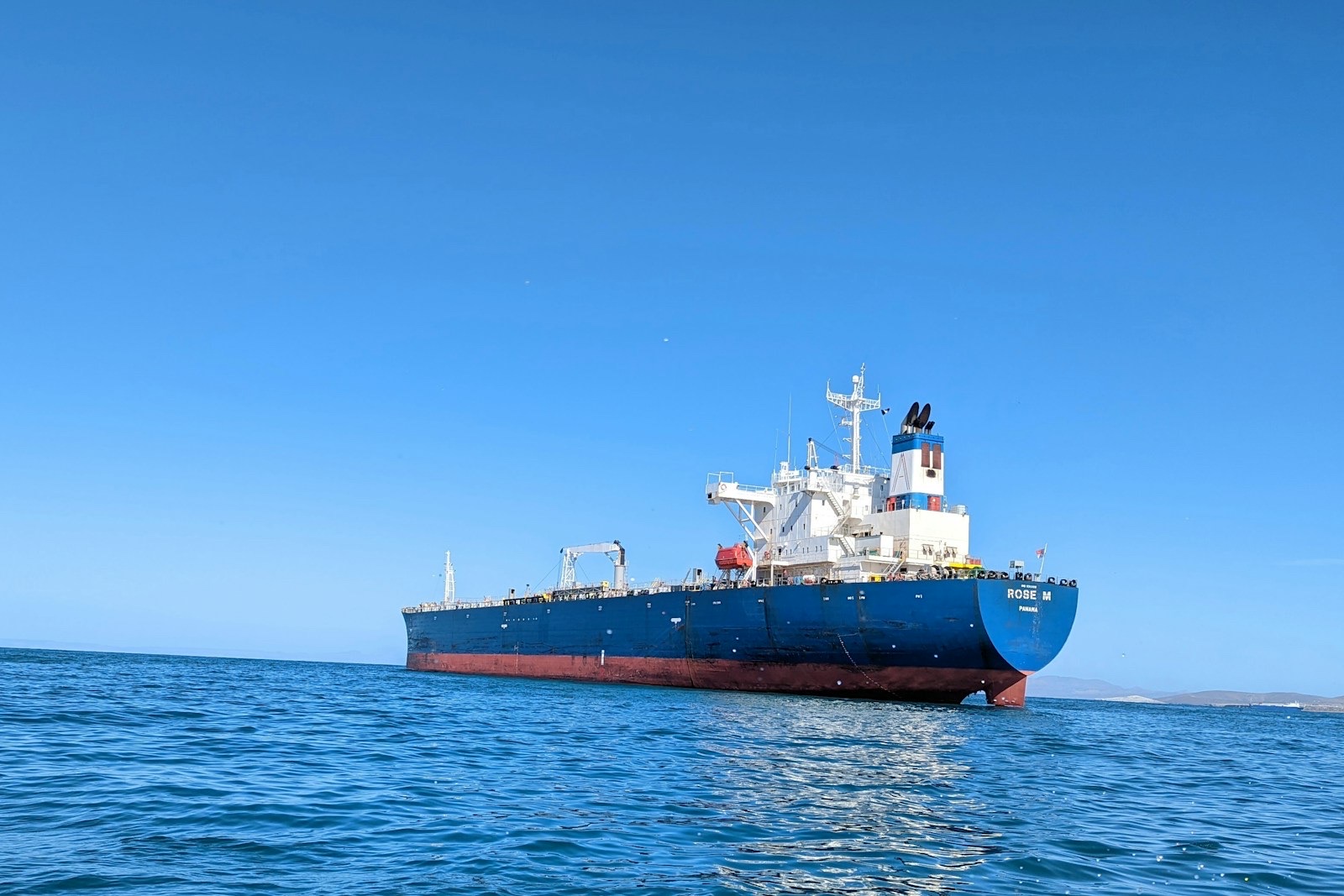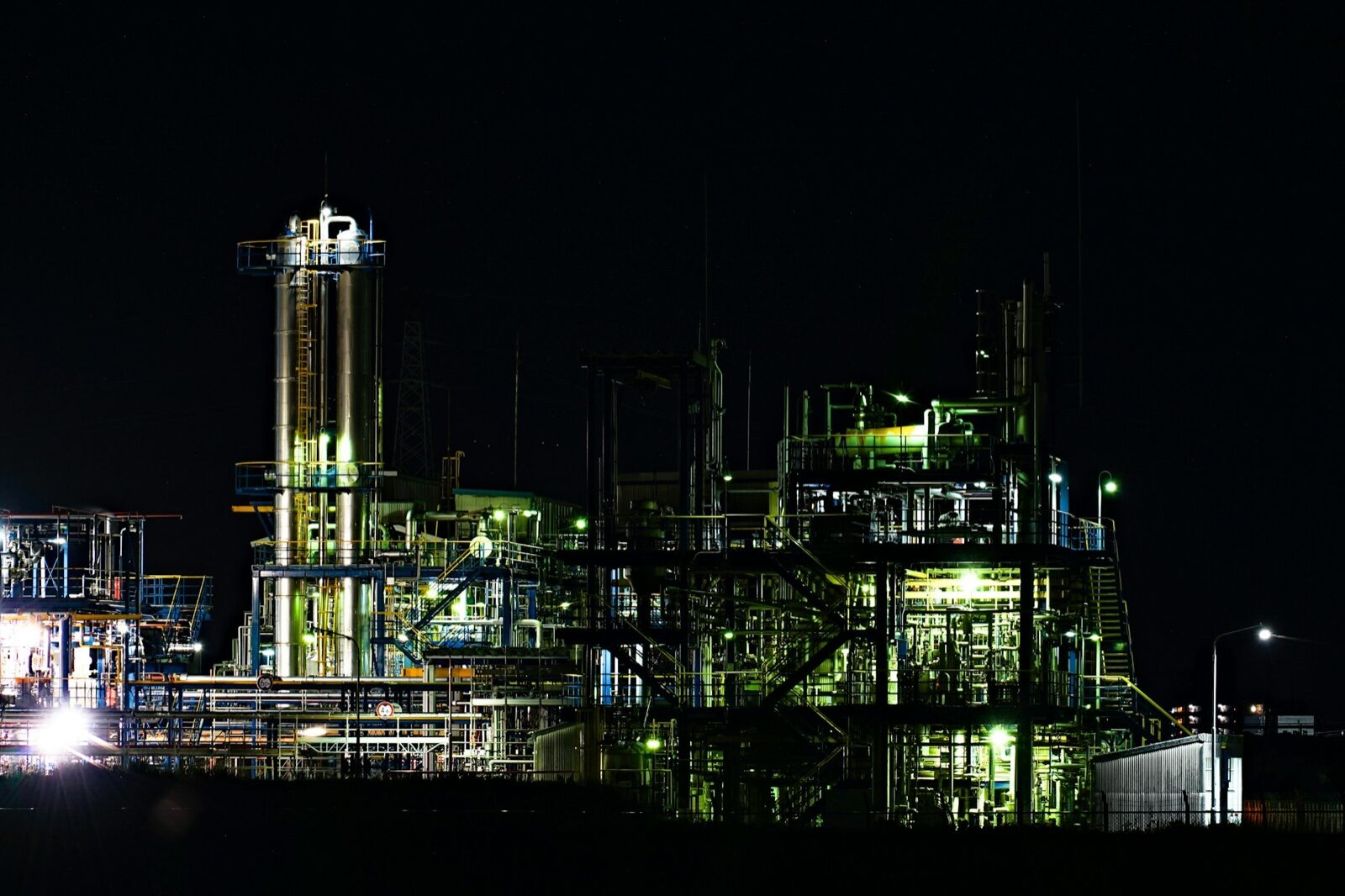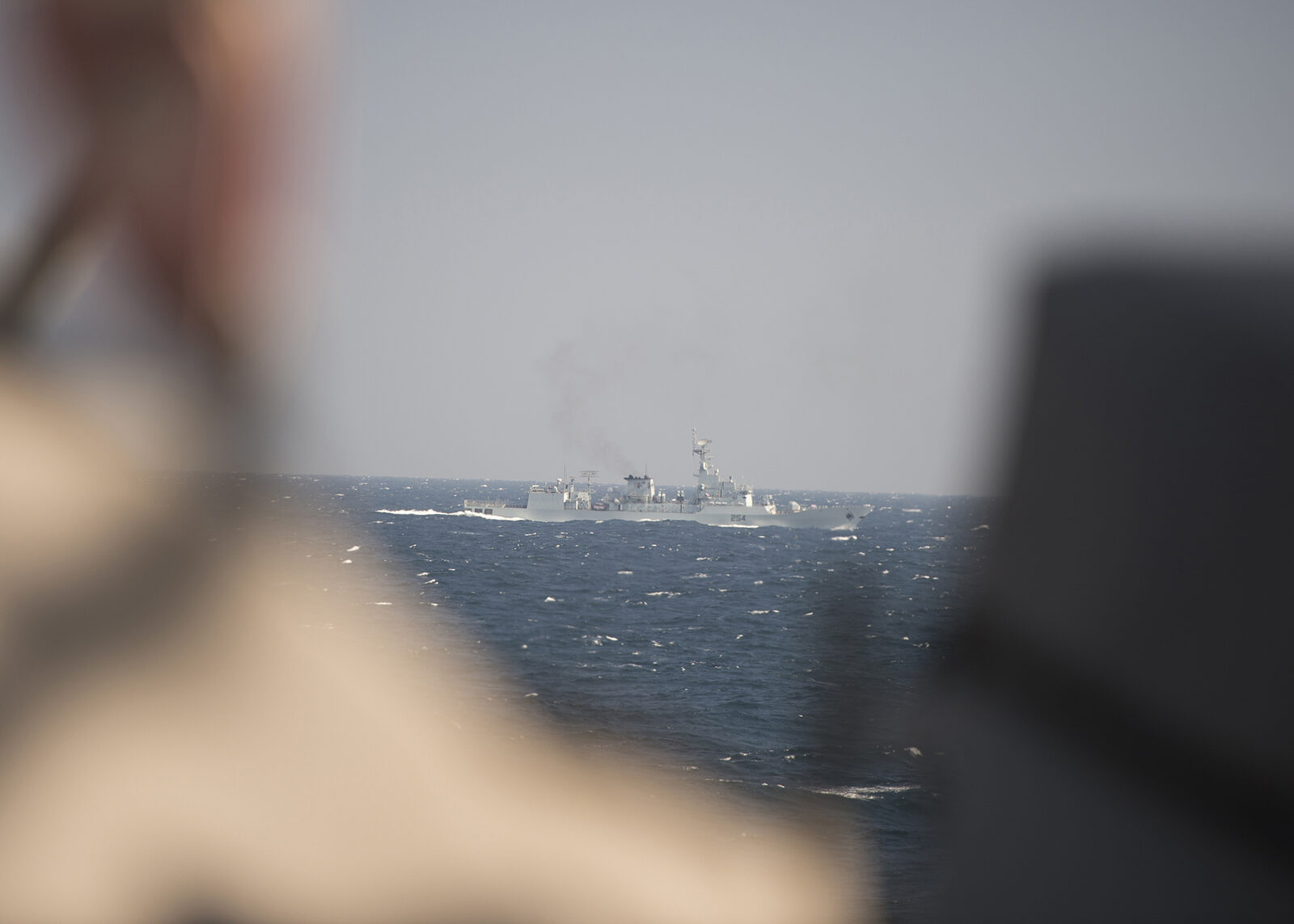
Kharg Island handles the great majority of Iran's crude exports. It is a small place carrying an enormous share of a global commodity, which makes any credible report of damage there a price event before it is a military one.
On Monday a video circulated showing explosions at the terminal: an oil storage tank and a tanker going up. It was posted to Truth Social by the President of the United States. It was generated by artificial intelligence, and as Al Jazeera reported, there was no other evidence that the hub was under attack.
Around it sat a set of events that did happen and are attributed on the record. US forces struck Larak Island on 30 August. The Islamic Revolutionary Guard Corps answered with missiles and drones against the King Hussein and Al Azraq bases in Jordan, in an operation it named Punishment of the Aggressor; Jordan's military said it intercepted eight missiles that had entered its airspace. Central Command described its own action as limited and precise, intended to prevent mine-laying in the Strait of Hormuz. President Masoud Pezeshkian said Tehran was not looking for war and would not sit still in the face of aggression.
The claim is now cheaper than the check
Set the synthetic video against that background and the interesting property is not that it is false. Propaganda is old, and states have staged and exaggerated attacks for as long as there have been wires to report them.
What has changed is the cost ratio. Producing a convincing depiction of a burning oil terminal now costs approximately nothing and takes minutes. Establishing whether that terminal is actually burning requires a satellite pass, a vessel-tracking subscription, an analyst who can read both, and hours. The claim has become free while the check has stayed expensive, and every market that prices this commodity sits on the wrong side of that gap for as long as the gap is open.
This is the same mechanism the Financial Stability Board wrote to the G20 about this week, arriving through a different door. Bailey's letter warns that frontier models may materially alter the speed, scale and economics of cyber risk — that a capability becoming cheap changes the rate at which every existing threat occurs, rather than adding a new one. A fabricated strike on an export terminal is not an attack on the financial system. It is an attack on the information the financial system prices, and it is cheaper than either a real strike or a cyber operation.
The market's response has been to stop listening and start looking. What has actually been load-bearing this month is physical observation: satellite imagery showing all three Kharg terminals empty at the start of August, and loading resuming at the western terminal on the twelfth after a twenty-five-day halt. Those are facts about objects, gathered from orbit, and they are the reason a synthetic video did not move very much.
That is a durable adaptation and an expensive one, and it belongs to institutions that can afford it. A cargo owner with an analytics desk can verify. A crew already at anchor cannot, and neither can a small importer whose entire position turns on whether a terminal is loading next week.
The underlying geography has not moved. The strait still has no Cape of Good Hope and the Gulf remains a body of water with one exit, so the physical risk is unchanged whatever anyone posts. What the video adds is a second channel of disruption running alongside the first, with none of the cost, none of the lead time, and no requirement that anything actually happen.
The strike on Larak Island, the IRGC operation against the two Jordanian bases, Jordan's report of eight intercepted missiles, the statements from President Masoud Pezeshkian and US Central Command, the IRGC's claim to have downed an MQ-9 over the strait, the gasoline price comparison, and the existence of the AI-generated Kharg Island video together with the absence of other evidence of an attack are all as reported by Al Jazeera on 30 August 2026. This publication has not independently verified any claim made by a party to the conflict. The analysis is our own.