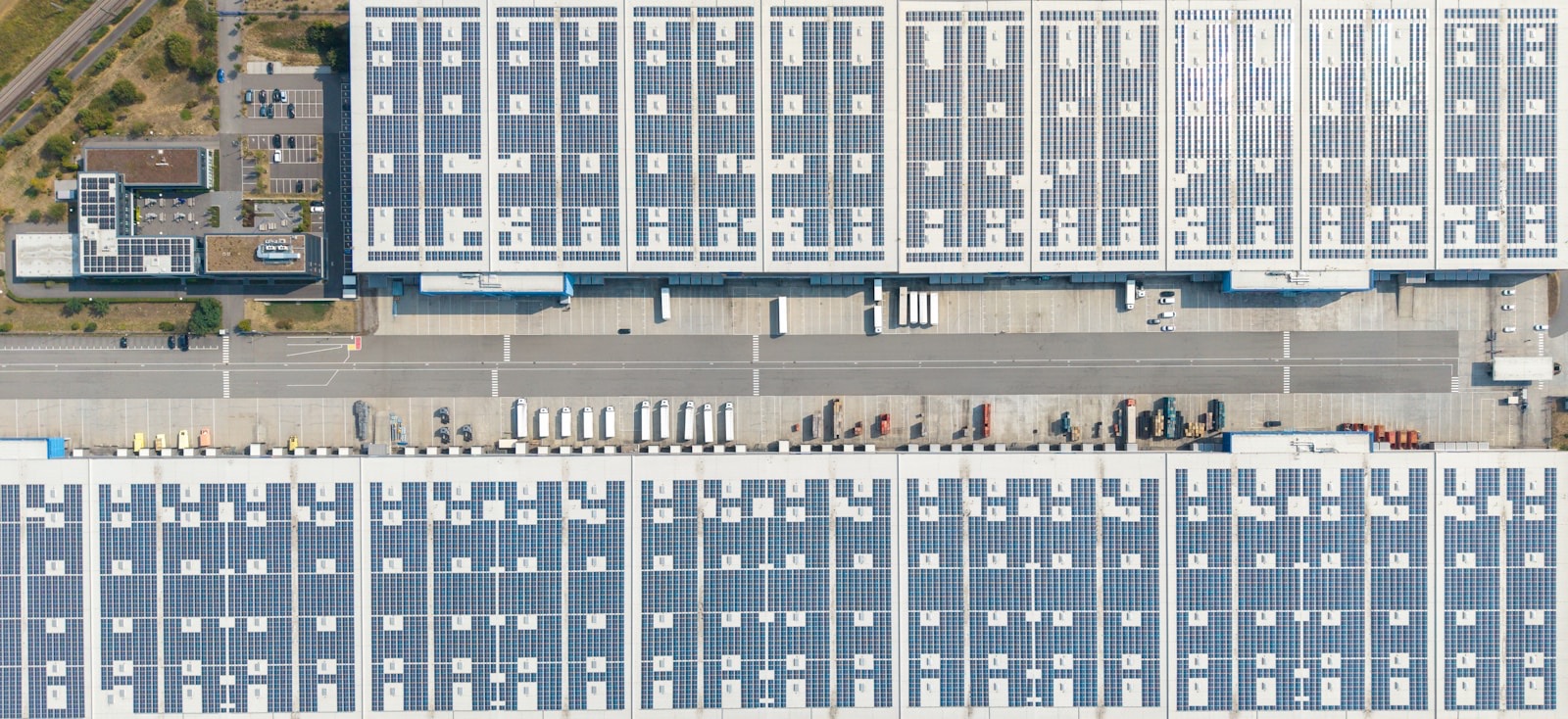
A company that owns the building it operates from is holding an asset that produces no revenue and sits on the balance sheet doing very little. Selling it to an investor and leasing it straight back converts that into cash without interrupting a day of operations. Nothing moves, nobody relocates, and a large number appears.
It is a legitimate financing tool and it is being used heavily right now, for a reason worth naming: it is available when other things are not. A company that would struggle to raise debt on its credit can still monetise a property on the property's own merits, because the buyer is underwriting the real estate and the lease rather than the business.
The cap rate is an interest rate wearing a costume
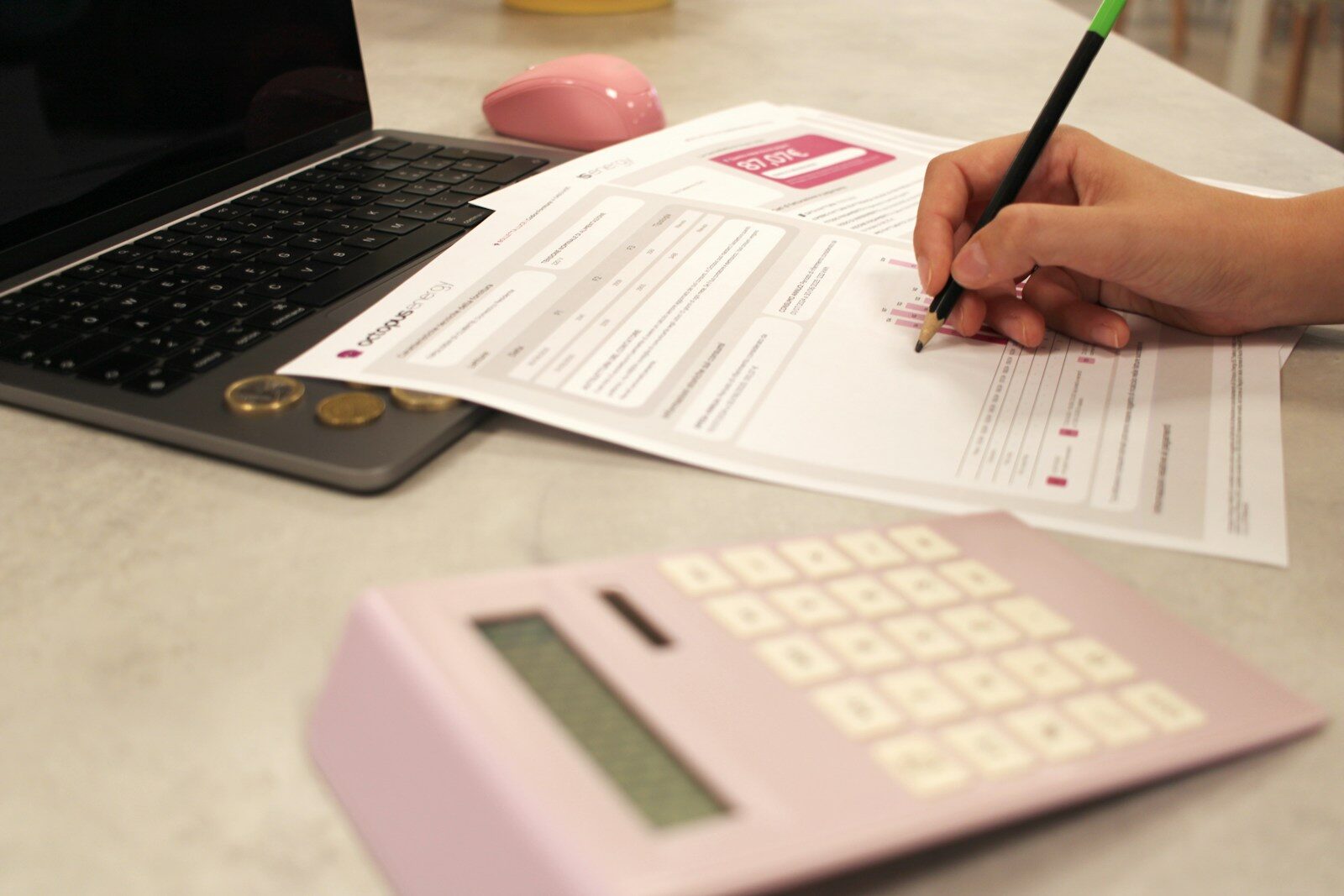
What determines the proceeds is the yield the buyer requires, and what determines the obligation is the rent that produces that yield. The two are the same decision made once. A seller who wants a larger cheque agrees to a higher rent, and the rent runs for fifteen or twenty years with escalators attached.
That is the part that repays close reading. The transaction is usually presented as a sale, which makes it look like a balance sheet event. It behaves like a borrowing — a long-dated, fully amortising, non-prepayable one, secured on the building, at an effective rate that is frequently higher than the debt the company could not get. The reason it was available is the reason it is expensive.
Where this gets dangerous is in businesses with variable revenue. A fixed obligation on top of a cyclical operation is manageable while volumes hold and becomes the binding constraint when they do not, because the rent is the one cost that does not flex. That is precisely the structure that makes nursing homes fragile — the property return was fixed at signing and everything that could give was on the operating side.
The operational cost is subtler and shows up later. An owner-occupier can reconfigure, sublet, expand or walk away from a site when the business changes. A tenant negotiates. Companies two decades into a leaseback frequently find themselves paying for a footprint the business outgrew or shrank out of, with no mechanism to adjust, which is a slow version of the problem the office conversion wave is trying to solve at the other end.
Used narrowly it is sound. A company with a genuinely non-core property, a clear use for the proceeds and revenue stable enough to carry a fixed charge is making a reasonable trade. The version to be suspicious of is the one funding an operating shortfall, because that company has converted a permanent asset into a temporary reprieve and added a fixed cost to the situation that created the shortfall.
The tell is what the money is for. Proceeds funding an acquisition or a capacity expansion are an investment decision. Proceeds funding payroll are a signal, and one that arrives at the same time as equipment finance tightening for the same borrowers.
Topics businessreal estatecapitalcredit