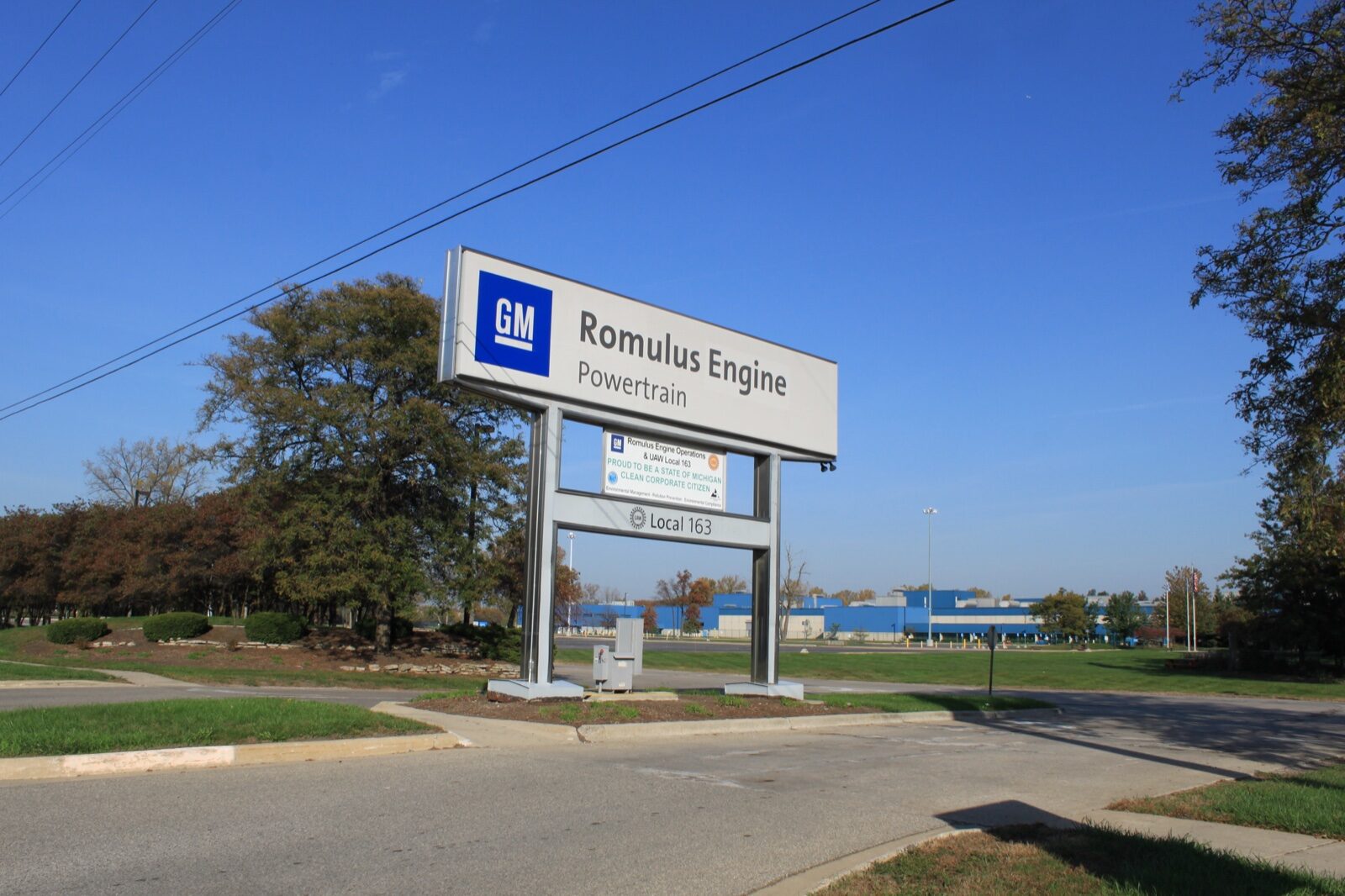
General Motors is still the biggest seller of cars in America, but Toyota is closing in. GM sold 670,974 vehicles in the US in the third quarter, down 5.5 per cent from a year earlier. Toyota Motor North America sold 633,223, up 0.6 per cent. The gap between them was 37,751.
Further down the table, the same thing happened. Ford sold 507,395 light vehicles, down 6.6 per cent. Hyundai Motor Group, which includes Kia and Genesis, sold 506,200, up 5.4 per cent. Cox Automotive had forecast that the Korean group would pass Ford for the first time. It fell 1,195 vehicles short.
Across the market, the automakers gaining ground share two things: cars that start under $30,000, and hybrids.
The hybrid quarter
Toyota sold 363,367 electrified vehicles in the quarter, a category that includes hybrids, plug-in hybrids and battery models, up 28.5 per cent. They made up 57.4 per cent of its US sales. In September alone, electrified sales rose 37.8 per cent and reached 58.2 per cent of the total. "Customers want choices," Andrew Gilleland, a Toyota senior vice president, said in the company's release.
Honda's deliveries rose 9.3 per cent with record hybrid volume, and its passenger cars, the Accord and Civic, had their best third quarter since 2020. Hyundai's hybrid sales rose 35 per cent and now make up almost a third of the brand's volume. Its Sonata sedan was up 34 per cent. Hyundai and Kia each posted their best third quarter on record.
"Some consumers who may not have considered a sedan before are now looking at them, maybe due to gas prices," Lance Woelfer, vice president of sales at American Honda, said, according to Bloomberg.
Gas prices give them reason. Regular gasoline averaged $4.47 a gallon in the US on 28 September, according to the Energy Information Administration. A year earlier it was $3.12. The price of crude oil has risen 61 per cent since February.
"Consumers are dealing with a lot of cost pressure," said Randy Parker, who runs Hyundai's North American business. "Thank God we never gave up on passenger cars."
Detroit's quarter
Detroit's carmakers have few models in either category, and their volume leans on pickups and large SUVs. Those still sold. Chevrolet Silverado sales rose 13 per cent, in a quarter when Chevrolet was offering zero per cent financing for five years to clear the current model before a new one arrives. Ram 1500 sales rose 73 per cent, which helped Stellantis offset a 20 per cent fall at Jeep.
Ford attributed its decline to the planned end of production of the Escape and Corsair. Without those two models, it said, its sales were essentially flat against an industry down about 1 per cent. Its Maverick Hybrid pickup set a quarterly record of 27,793, up 59.6 per cent. "We delivered a solid quarter," said Andrew Frick, president of Ford Blue and Model e.
Who is still buying
The average new car sold for more than $50,000 in August, and the average monthly payment probably reached about $821 in September, a record for the month, according to JD Power. Before the pandemic, the average new vehicle cost less than $40,000.
"Right now, it's high-end consumers buying expensive pickup trucks," said Sam Fiorani of AutoForecast Solutions. "There is growth in the higher end of the market, but we've lost the people making less than $100,000 a year."
The market has held up better than forecasters expected, given inflation and the Federal Reserve's decision in September to raise interest rates. Cox estimates that the annual sales rate slipped 2.1 per cent to 16.3 million in the third quarter, and it raised its forecast for the year. Fiorani raised his to 16.2 million from 15.9 million. Discounts are creeping up: JD Power puts the average incentive at nearly $3,600 a vehicle, 7.3 per cent more than a year ago.
"People still need cars," said Erin Keating, an executive analyst at Cox. "People have become fatigued with waiting for new vehicles to become more affordable."
For the buyers who are left, the choice is splitting in two: a large truck for those who can afford it, and the cheapest efficient car on the lot for everyone else. The companies that kept making the second kind are the ones gaining share.
Toyota's sales figures and the quotation from Andrew Gilleland are from Toyota Motor North America's release of 1 October 2026. GM's quarterly total and the gap between the two companies are from 24/7 Wall St. (2 October 2026), which cited GM's release. Ford and Hyundai Motor Group figures, Ford's explanation of its decline and the quotation from Andrew Frick are from Yahoo Finance (2 October 2026), citing the companies and CNBC. The quotations from Randy Parker, Lance Woelfer, Sam Fiorani and Erin Keating, the Honda, Hyundai, Stellantis and GM truck figures, JD Power's price, payment and incentive estimates and Cox Automotive's sales-rate estimate are from Bloomberg's report of 1 October 2026 as published by Claims Journal. Gasoline prices are from the Energy Information Administration's Gasoline and Diesel Fuel Update for 28 September 2026. Accurate to 1pm ET on 4 October 2026.
Topics businessgeneral motorshybrids