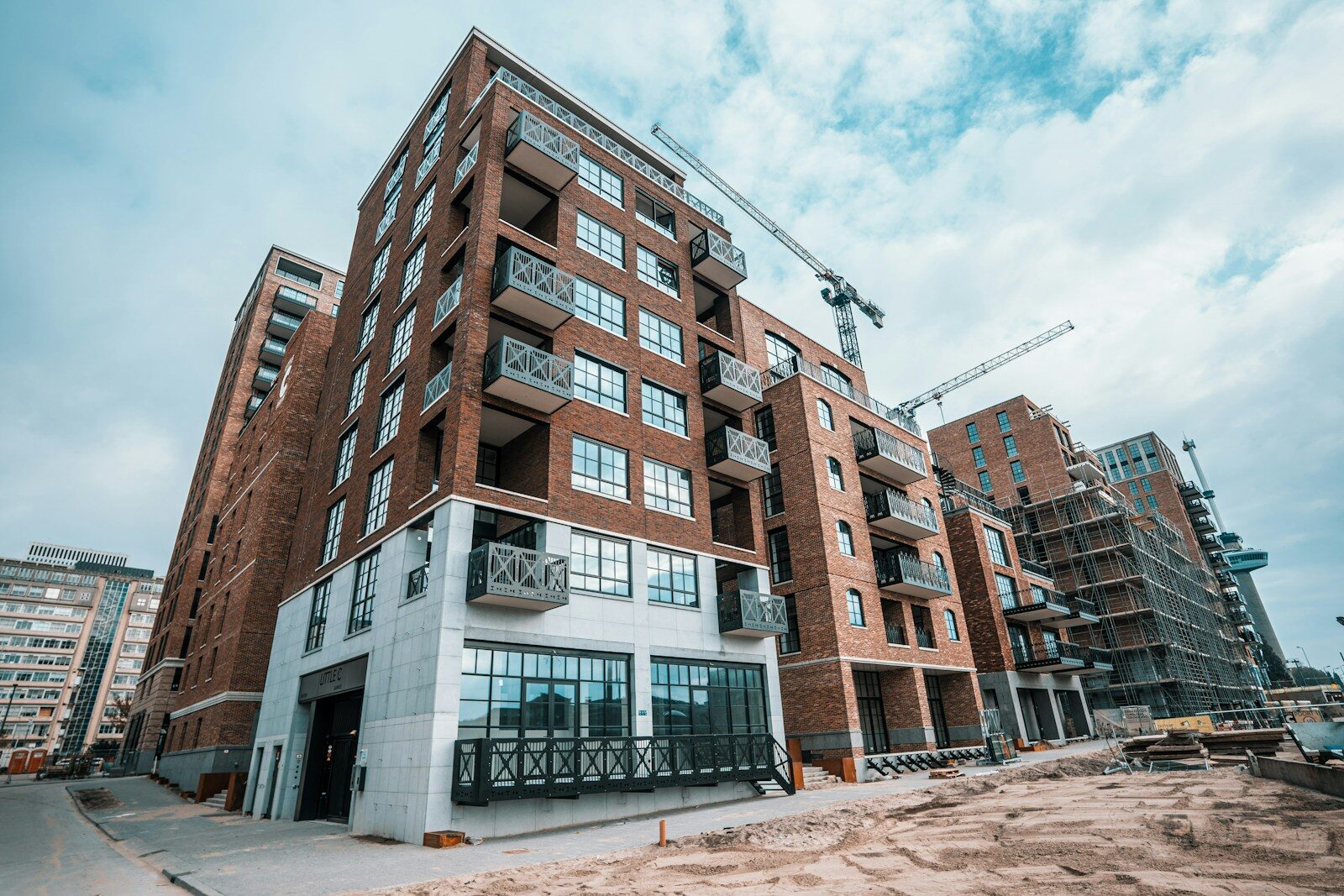
An employer builds housing when every cheaper answer has failed. Wage increases came first, then signing bonuses, then commuter subsidies, and none of them worked, because the constraint was never what the job paid. It was that a person earning that wage could not find somewhere to live within a reasonable distance of the work.
So the employer becomes a developer, which is not a role any of them wanted. Hospitals, ski resorts, universities, food processors and rural manufacturers are financing apartments, buying motels for conversion, and in a few cases building whole subdivisions — and they are doing it because the alternative is running short-staffed indefinitely.
The math only works from the employer's side
Nothing about this makes sense as a real estate investment. Returns are thin, the timeline is long, and no operator would choose to be a landlord in a market that priced out its own workforce. It makes sense as a recruiting expense, and that is the ledger it belongs on.
Seen that way the numbers change entirely. An employer already paying premium wages, contract labour rates and constant turnover costs can compare those against a subsidised building, and in the tightest markets the building wins — particularly where the shortage is structural rather than cyclical. Hospitals reach this conclusion faster than most, because they are already paying agency rates to cover posts they cannot fill permanently, which is an arrangement that outlived the emergency that created it.
The obvious hazard is the one the phrase company town carries. Housing tied to employment concentrates power in a way wages do not: an employee who is also a tenant faces a different calculation when considering a complaint, a union, or another job. The better operators have seen this and structured against it — leases that survive termination for a fixed grace period, third-party management, rents set by formula rather than discretion, and in several cases handing the buildings to a nonprofit that also serves non-employees. Those provisions cost money and remove the coercive potential, which is precisely why they are the ones worth asking about.
The projects that actually get built have usually solved a permitting problem rather than a financing one. An employer with capital still needs land zoned for what it intends to build, which is why this has moved fastest in places where states began overruling their cities on housing supply and slowest where every unit requires a hearing.
There is a second-order effect worth watching. Employer-built housing tends to be tied to large institutions, which means the businesses that cannot do it — the ones already changing hands as their owners retire — compete for the same workers without the same tool. A labour market where the hospital houses its nurses and the machine shop does not is a labour market that sorts differently than it used to.
The honest read is that this is a symptom being treated by whoever is closest to the pain. Employers building apartments are not solving a housing shortage; they are buying their way out of one, at a scale that helps their own roster and nobody else's.