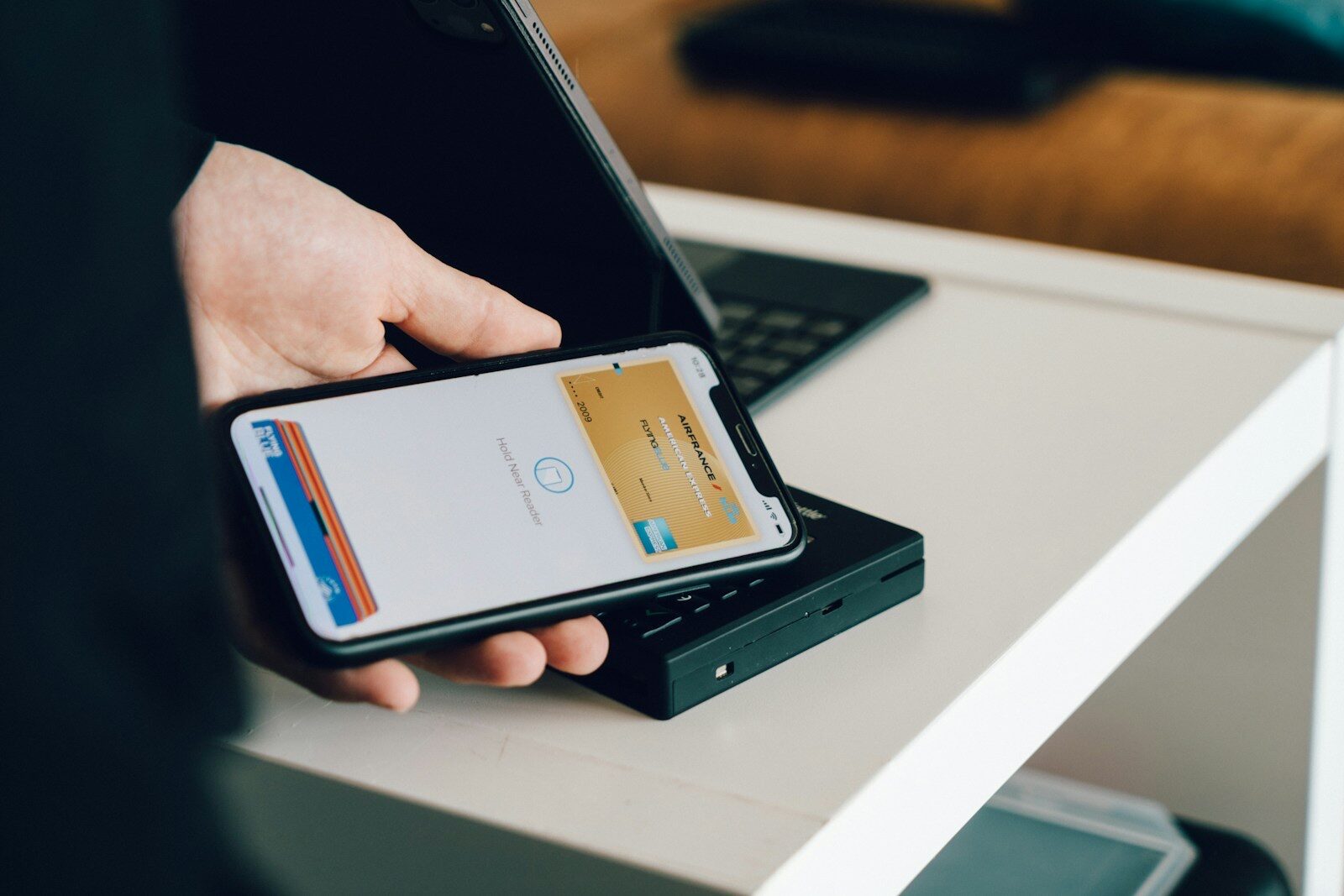
Apple Pay is live in India. Apple began rolling it out on Tuesday, after years in which the service was available in dozens of countries but not in the world's most populous one.
Apple's own India page describes the launch in one sentence: "Axis credit cards can currently be used with Apple Pay on Apple devices except Mac." That is the product, as of this week. One bank, Axis, the country's third-largest private-sector lender. Credit cards, on Visa and Mastercard, according to TechCrunch. Not RuPay, India's domestic card network. Not debit cards. Not Mac.
The competition is not other cards
The comparison that matters is not with Google Pay or Samsung Wallet. It is with UPI, the Unified Payments Interface, the state-backed real-time payments network that most Indian digital payments run on.
In August, UPI processed 24.51 billion transactions worth Rs 29.82 lakh crore, according to figures from the National Payments Corporation of India reported by Business Standard. That was a record for monthly volume. It works out at about 791 million transactions a day, and an average of about Rs 1,217 each.
UPI is free to use for most person-to-merchant payments, runs on bank accounts rather than cards, and is accepted by a QR code at a market stall as readily as at a department store. Apple Pay on a credit card is a tap on an NFC terminal. Those are two different habits, and the second one is the minority. Checkout habits do shift, as buy now, pay later did in the United States, but they shift toward whatever is cheapest and already in the customer's hand.
The terms
TechCrunch reports, citing people familiar with the talks, that Apple is asking for about 20 basis points on each transaction, out of a payments margin of 40 to 50 basis points. The same report says HDFC Bank, ICICI Bank and SBI Card, three of the largest card issuers, are not supporting Apple Pay at launch while those terms are negotiated.
Neither Apple nor the banks have confirmed the figures. If they are right, the gap between Axis and its rivals is commercial, not technical, and it will close only when the banks decide a fifth of a percentage point is worth paying to keep their iPhone-owning cardholders from reaching for someone else's card.
Who this is for
The addressable market is narrow but valuable. Apple held 28 per cent of India's smartphone market by value in 2025, TechCrunch reports, which means its users are concentrated among higher earners, the same people most likely to carry a credit card. Merchants named at launch, including Zomato, Blinkit, Croma, Tata 1mg and Reliance brands, are where those customers already shop.
That is a reasonable place to start. It is also a long way from the payments market that UPI serves every day, and the launch does not try to reach it. The RuPay exclusion matters for that reason: RuPay credit cards can already be linked to UPI, which makes them the bridge between India's card users and its account-to-account users. Apple Pay has started on the other side of that bridge.
The statement that Axis credit cards can be used with Apple Pay on Apple devices except Mac is quoted from Apple's India Apple Pay page (apple.com/in/apple-pay), read on 30 September 2026. The launch date, supported card networks, RuPay exclusion, the reported 20-basis-point fee request, the banks not supporting the service at launch, the named merchants and Apple's 28 per cent share of India's smartphone market by value in 2025 are as reported by TechCrunch ("Apple Pay finally launches in India after years on the sidelines", Jagmeet Singh, 29 September). The fee and bank-negotiation details come from unnamed sources and are not confirmed by Apple or the banks. UPI volume and value for August 2026, July's comparison figures and the average transaction size are NPCI's figures as reported by Business Standard and MediaNama. NPCI's own statistics page at npci.org.in returned HTTP 403 to automated retrieval and was not read. Accurate to 8.50am ET on 30 September 2026.
Topics moneypaymentsappleindiacredit cardsfintech