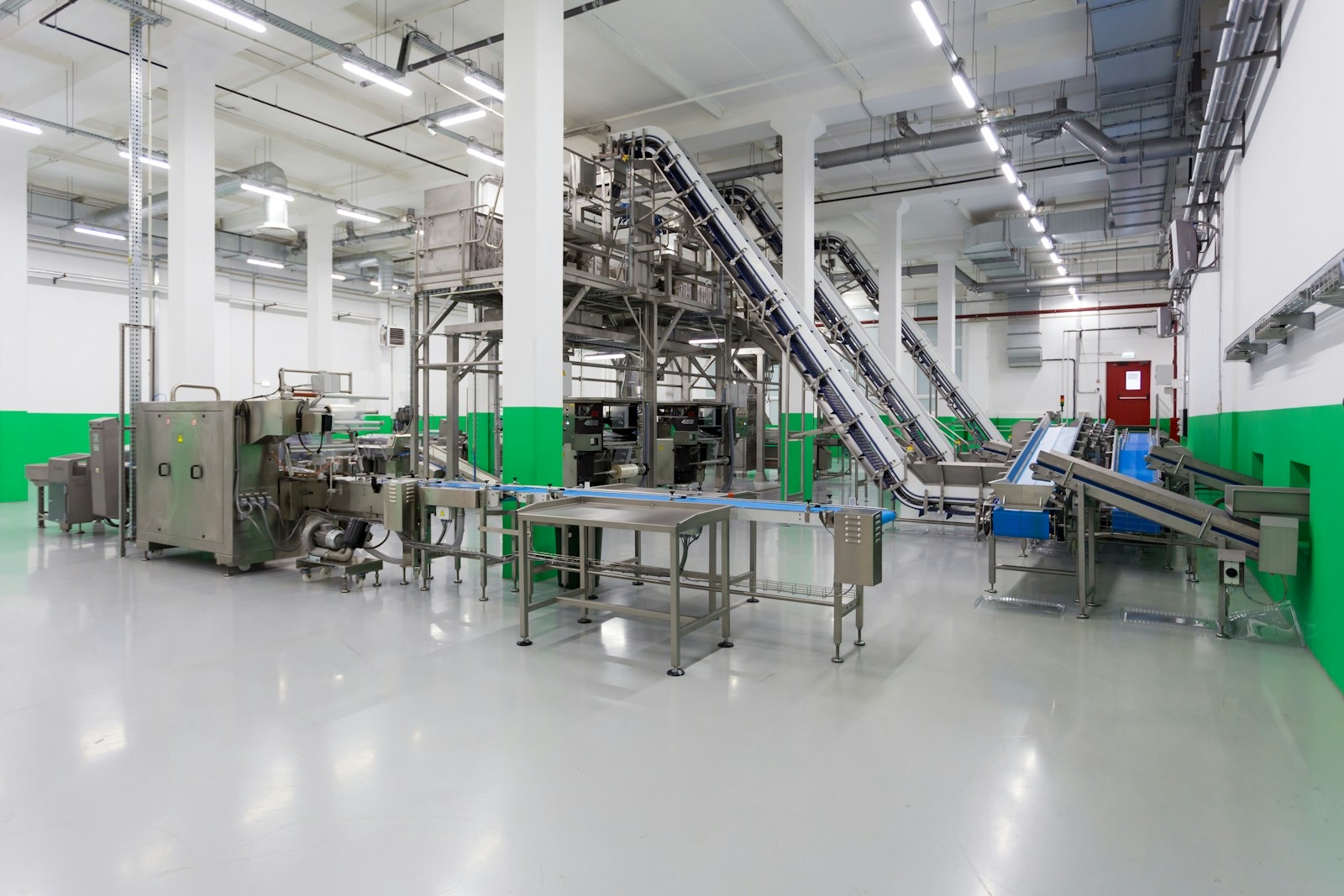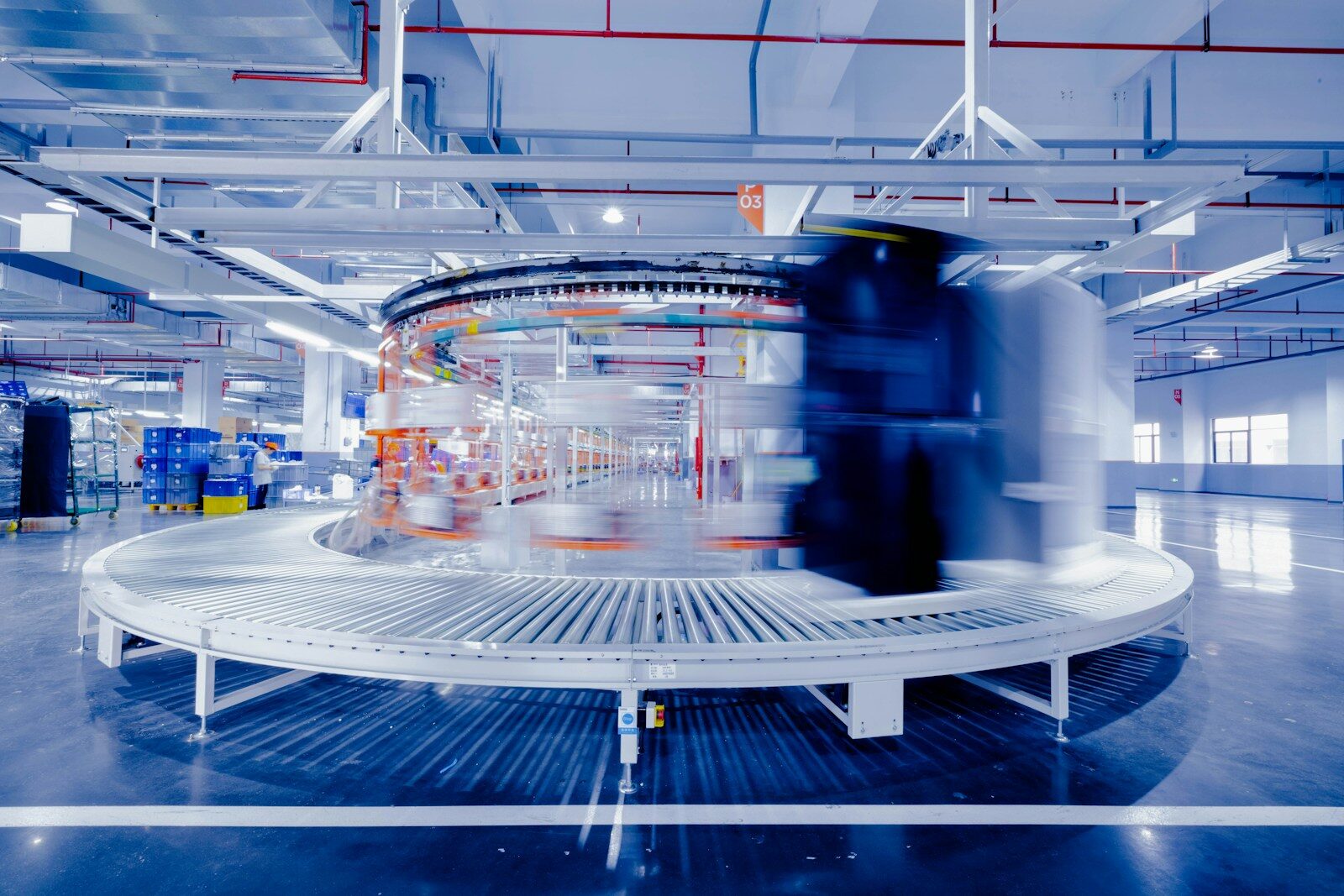
GE Appliances will spend a billion dollars at Appliance Park in Louisville. More than $400m of it converts Building 5 into a dryer plant, taking production from Mexico, with operations expected in late 2027 after a conversion of nine to twelve months. About $112m goes into Building 1. An earlier $490m tranche covers Building 2 and follows a move of washing machine production from China.
The company says the investment secures 4,700 manufacturing jobs.
Secures. Not creates. That is the accurate word and it is the interesting one.
What retention investment actually is
A creation announcement adds headcount that did not exist. A retention announcement spends capital so that headcount which already exists continues to.
Both are worth having and they are not the same, and they get reported interchangeably because the number looks identical in a press release. Four thousand seven hundred jobs secured is not four thousand seven hundred people who were unemployed last week. It is a plant that was competing against lower-cost sites and has now been given the equipment to compete on something other than wages.
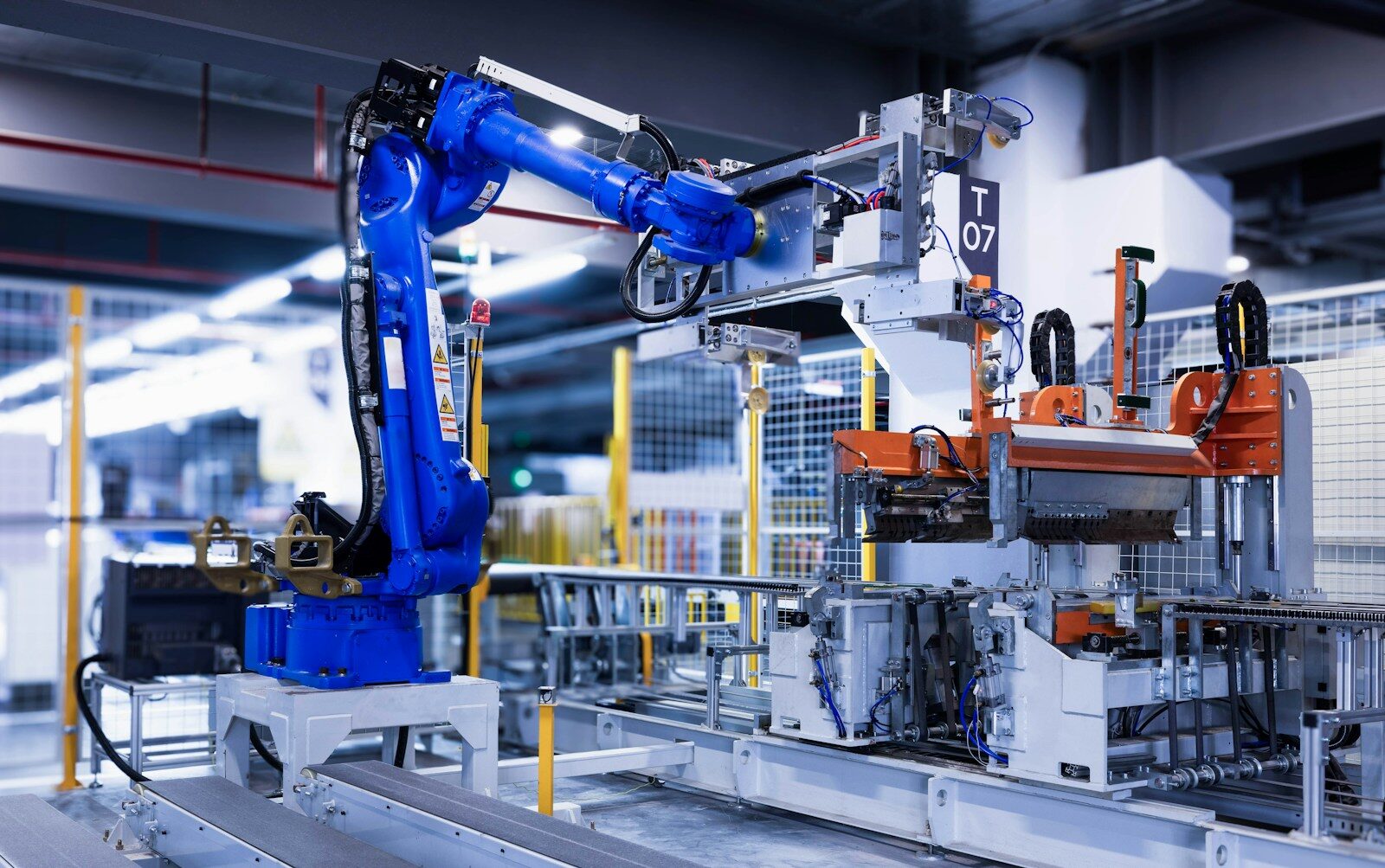
That is the honest description of most successful reshoring. Production does not usually come back because a country became cheap. It comes back because somebody spent enough capital on automation, layout and throughput that the labour cost differential stopped being the deciding variable — and the jobs that survive are the ones attached to the new equipment.
The union is on the announcement
The detail most likely to be skipped is that this was announced jointly by GE Appliances and IUE-CWA.
A billion-dollar capital commitment made with the union is not a courtesy. Converting a building for nine to twelve months and restarting production on a new line requires agreement on classifications, staffing levels, shift patterns and what happens to people during the changeover. A company will not commit that capital without knowing the answers, and a union will not deliver flexibility without a commitment to volume at a named site.
So the press release is a capital announcement and the substance underneath it is a labour agreement. That is how reshoring gets financed at scale in an organised plant, and it almost never gets described that way, because a capex figure is a cleaner story than a bargaining outcome.
It also explains the sequencing. Building 2 first, announced in 2025 with washing machines from China. Buildings 5 and 1 now, with dryers from Mexico. That is a campus being converted in tranches, each one presumably easier to agree than the last because the previous one was delivered.
Where it fits with the week
This desk has spent the week finding the opposite pattern — the middle of a supply chain nobody builds. Fifty-six gigawatts of solar cell capacity against thirteen of wafers. Formula capacity added to plants that already exist, which raises output and leaves the site count unchanged. The energetic chemistry behind an artillery shell, consolidated into so few sites that a single inspection becomes a shortage.
Appliance Park is the counter-example, and it is worth saying so rather than only running the pattern that confirms the thesis. This is a whole product assembled on one campus, with the assembly, the components and the labour agreement in the same place, and the investment goes to conversion of existing buildings rather than to a greenfield announcement that may not be built.
Whether it holds depends on the same thing everything else this week depended on: whether the boring inputs arrive. A converted plant still needs motors, control boards, compressors and steel, and the electrical apparatus lead times that are constraining data centres constrain factory conversions too.
The Kentucky footnote
A billion dollars of private capital is committing to Louisville in the same week the state announced it had missed the revenue trigger for an income tax cut by more than a billion dollars.
There is no causal story between those two figures and it would be silly to construct one. They are worth putting side by side only because they are the two numbers a legislator in Frankfort saw this week, and they point in opposite directions about what the state can expect from its own economy.
The measure
Not jobs secured, which cannot be falsified — nobody publishes the counterfactual in which the plant closed.
Watch employment at Appliance Park in late 2028, a year after the converted lines are running, against the 4,700 figure being cited now. Conversion projects that succeed on throughput frequently succeed by needing fewer people per unit, which is what makes them competitive in the first place.
If the number holds, this was retention. If output rises and headcount drifts down, it was modernisation, which is also a good outcome and a different one — and the difference will be visible about eighteen months after everyone has stopped reporting on it.
The $1bn total investment at Appliance Park announced on 2 September 2026 jointly by GE Appliances and IUE-CWA; the allocation of more than $400m to Building 5 for dryer production relocated from Mexico with operations expected in late 2027 following a nine to twelve month conversion; approximately $112m to Building 1; the previously announced $490m for Building 2 covering front-load washers and combination washer-dryers from 2027 and the associated move of washing machine production from China; the figure of 4,700 manufacturing jobs secured; and the claim that the site will become the largest US home appliance manufacturing campus by output, employment and footprint are from the company's announcement and reporting by The Lane Report, Commercial Property Executive and PlasticsToday in September 2026 and by the Kentucky Cabinet for Economic Development in 2025. The analysis is our own.
Topics businessmanufacturinglabour