The foreign-born workforce in the United States declined by 596,000 workers between January 2026 and the most recent available data, according to a National Foundation for American Policy analysis of Bureau of Labor Statistics figures. That follows a cumulative decline of 1.01 million foreign-born workers since the number peaked in March 2025. Over the same period, labor force participation among US-born workers fell from 61.4 to 61 percent.
The two declines together have produced a workforce that is smaller than it was before the enforcement effort intensified, without the domestic substitution that the policy's proponents predicted. A parallel reduction in the federal workforce of more than 272,000 employees has added a second labor market signal pointing in the same direction. Total job creation in 2025 came in at 181,000, the weakest year since the pandemic. The return-to-office mandates that employers have been enforcing through 2026 were predicated on having enough workers to put in offices; the labor arithmetic now cuts against that assumption in some sectors.
The sectors feeling it
Worker shortages are the leading cause of construction project delays, according to a September survey by the Association of General Contractors of America. More than half of surveyed contractors said job applicants existed but lacked the qualifications required, and the association cited both data center construction demand and immigration enforcement as causes. Over fifty percent of craft workers in construction were born outside the United States.
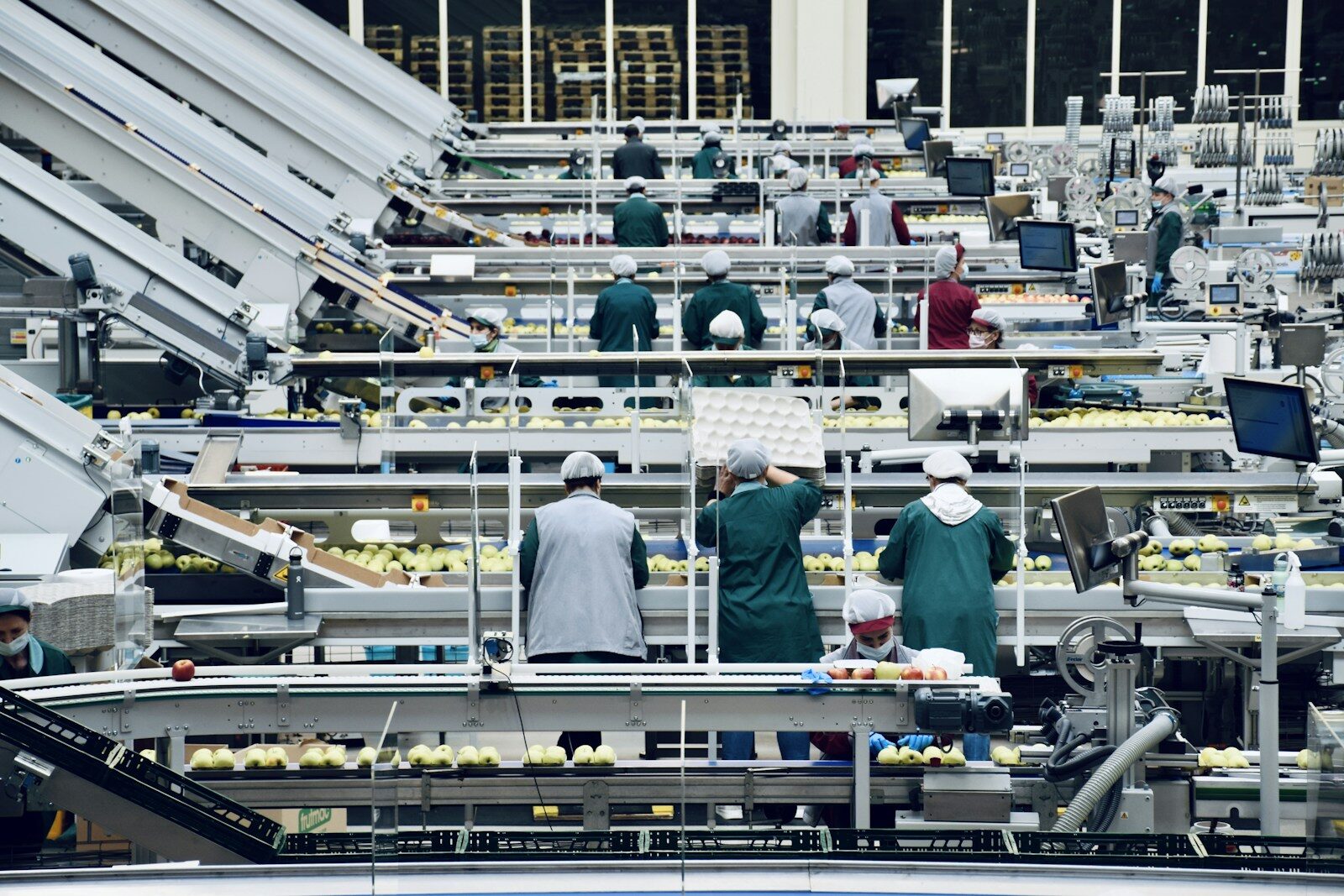
Agriculture has been harder hit than construction in proportional terms. Employers in 2025 advertised 415,000 farm positions and received 182 domestic applications, according to the American Farm Bureau Federation, which has called the agricultural labor shortage the single greatest threat to the sector. Healthcare is running parallel shortages in nursing home staff and home health aides, where turnover created by enforcement action has outpaced hiring.
The Alliance for America's Skilled Trades, a coalition including Ford Motor Company, projects a need for 1.7 million new skilled trade workers per year through 2035. Training programs produce just over half the required number, and only half of those who enroll finish. The pipeline was insufficient before enforcement tightened and is more insufficient now.
What the data says about substitution
The premise underlying the enforcement approach is that removing immigrant workers creates jobs for domestic workers who are willing to take them. The available data does not support that premise in the current episode. Labor force participation among US-born workers fell while foreign-born participation fell, suggesting the labor market contracted rather than rebalanced.
The policy mechanism that would produce substitution is not simply removal of one group. It requires that the jobs left vacant are ones that US-born workers find acceptable at the prevailing wage. In construction trades, agriculture, and home health, the evidence from six decades of labor economics is that wages would need to rise substantially before domestic workers fill the gap at the required scale, and at wage levels that make the underlying industry economics work. That adjustment has not happened at meaningful scale in the current period.
The same workforce constraint is slowing the reshoring effort that policy is simultaneously trying to accelerate. A domestic manufacturing base requires workers. The two objectives are in direct tension with each other at current enforcement levels.
Topics nationalimmigrationlaborworkforcebusinesseconomy