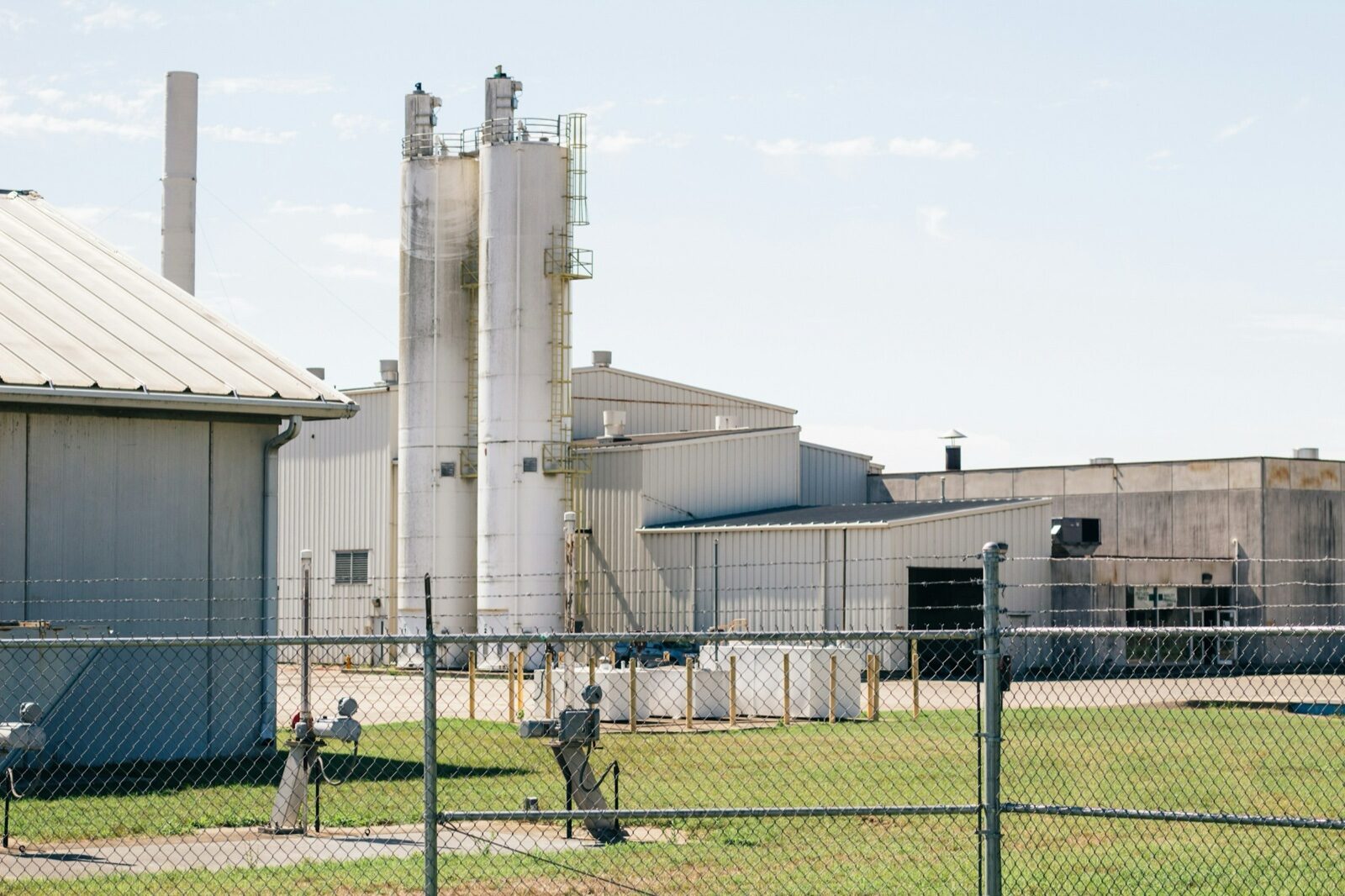
Thirty-six percent of original equipment manufacturers surveyed by the Reshoring Initiative had reshored production or were actively engaged in additional reshoring in 2026, up from twenty-nine percent in 2025. Contract manufacturers are moving faster: thirty-two percent reported actively quoting reshoring projects, double the sixteen percent in the prior year, and seventy-nine percent said at least some customers had discussed reshoring in the past year.
The 2026 USA Reshoring Survey, the second annual study from the Reshoring Initiative and Regions Recruiting, covered 249 manufacturers and found the activity accelerating. Sixty-three percent of OEMs planned US capital expenditures in 2026 or 2027 to support domestic expansion. Geopolitical risk is driving some of the urgency: fifty-three percent of contract manufacturers cited it as a reason customers are reshoring to domestic suppliers, up from twenty-four percent in 2025. Sixty percent said customers importing from China or Taiwan were at least discussing de-risking.
The constraint that capital cannot solve
The workforce numbers are the harder story. Sixty-six percent of survey respondents rated hiring skilled technicians — machinists, welders, electrical technicians — as very difficult or at crisis levels. Sixty percent said the same for maintenance and repair technicians.
The Consumer Technology Association put sharper numbers on the problem in research shared with its members this week. Reaching full US production of ten categories of common consumer products by 2031 would require between 555,000 and 668,000 additional full-time manufacturing employees, more than double the existing US computer and electronics manufacturing workforce. CTA's executive chair, Gary Shapiro, said it is "just physically impossible, labor-wise impossible" to hit fifty percent semiconductor manufacturing domestically by the end of the current presidential term, even with unlimited capital.
Manufacturers are responding through the channels available: sixty-one percent are partnering with trade and vocational schools, fifty-eight percent are implementing internal upskilling, and fifty-one percent are working with community colleges. Total Cost of Ownership modeling — comparing domestic versus offshore production on a fully loaded basis — is gaining traction, rising among OEMs from thirty percent in 2025 to forty percent in 2026.
What reshoring actually produces
Among OEMs reporting operational impacts, seventy percent cited improved speed to market, sixty-five percent better fulfillment and on-time delivery, and sixty percent logistics savings. The benefits are real and measurable. But ninety-four percent of contract manufacturers said price remains the primary reason they lose orders to imports. The economics of reshoring work better on a Total Cost of Ownership basis than they do on a unit-cost basis, and most purchasing decisions still happen on unit cost.
The tariff environment has pushed more OEMs to do the fuller calculation. General Motors, Stellantis, Toyota, and Honda have all announced or accelerated US production plans in response to import levies. GE Appliances outlined a five-year $3 billion domestic investment. The commitments are real. What remains to be built is the workforce to execute them, and on that timeline, the question is not whether companies want to reshore. It is whether there are enough machinists who want to come with them.
Topics nationalmanufacturingsupply chainworkforcetrade policy