Supply Chain

Tagged stories

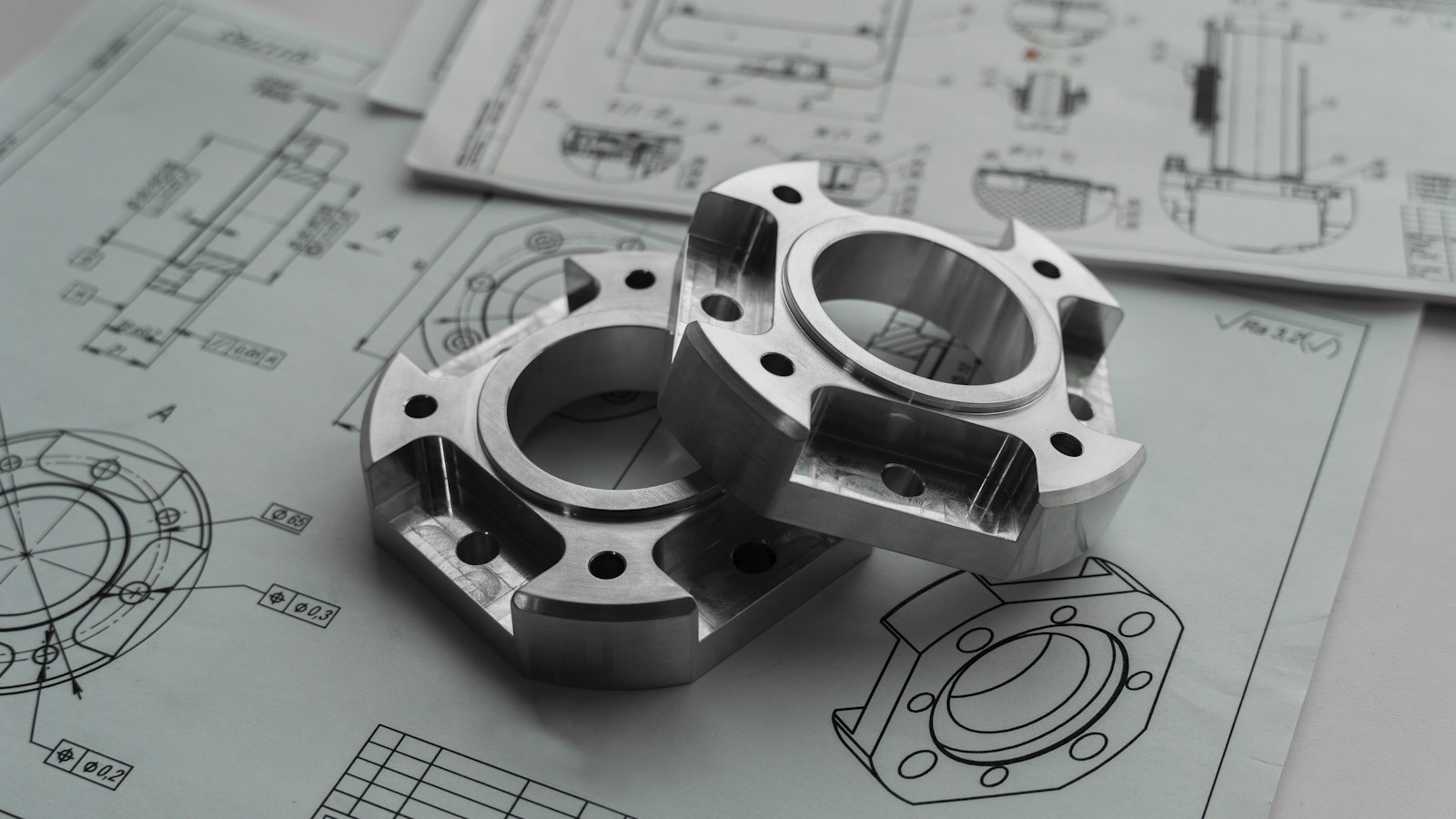
Two machined metal flanges resting on engineering drawings.
Business

New York Factories Posted Their Best Reading Since December 2021, 25.5. Delivery Times Are Lengthening, Supply Is the Scarcest Since 2022, and Hiring Is Only Modest.

The Federal Reserve Bank of New York said on Thursday 15 October that its Empire State Manufacturing Survey general business conditions index rose 18 points to 25.5 in October, the highest since December 2021. New orders rose 21 points to 23.2, while the employment index held at 10.3, pointing to modest hiring, and supply availability fell to its lowest since June 2022.

Workers on a manufacturing production floor
National News

Manufacturers Are Coming Home. The Workers Are Not There Yet.

Thirty-six percent of OEM manufacturers had reshored or were actively reshoring in 2026, up from twenty-nine percent in 2025, according to the Reshoring Initiative's second annual survey. The constraint is not capital. Sixty-six percent of respondents rated hiring skilled technicians as very difficult or at crisis levels.

An industrial welder working amid sparks in a dark factory
World

Thirty Days to the Rare Earth Cliff

China's suspension of its sweeping rare earth export controls expires November 10, about a month away. August export volumes already ran 18 percent below last year despite the truce. The West spent the reprieve mostly watching.

A basket of french fries on a wooden table.
Business

Fast-Food Traffic Fell. Lamb Weston Sold 7 Per Cent More Fries in North America, Helped by the Chicken Chains.

Lamb Weston, a leading supplier of frozen fries to restaurant chains, grew North American sales volume for a seventh consecutive quarter even as fast-food traffic fell. Its executives credit chicken chains, whose traffic rose 4 per cent, for part of the gain. In Europe, where it says the industry had too much capacity, it has stopped making fries at a Dutch plant.

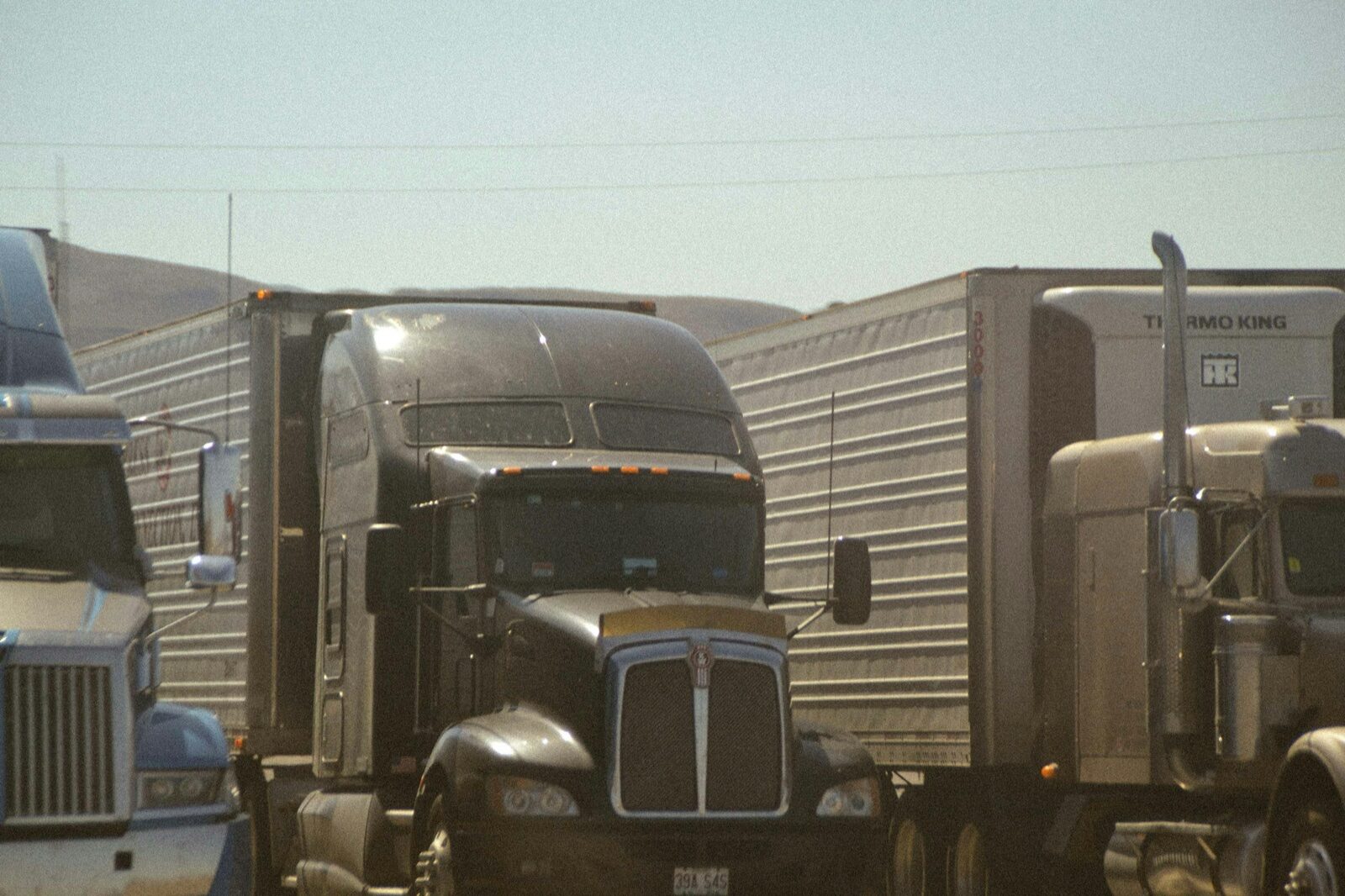
Two American semi-trucks with refrigerated trailers parked side by side in Arizona, seen from the front.
Business

The Trucking Companies Going Bankrupt Are Small. Diesel Is Paid in Days, Freight in Months.

At least 16 trucking and delivery companies entered bankruptcy between late August and 21 September, FreightWaves found. Seven of them ran six trucks or fewer. Diesel hit a record $6.53 a gallon in the same weeks, but spot freight rates have also risen, from about $2.40 a mile a year ago to $3.42. The squeeze on small carriers is less about the price of fuel than about when they have to pay for it.

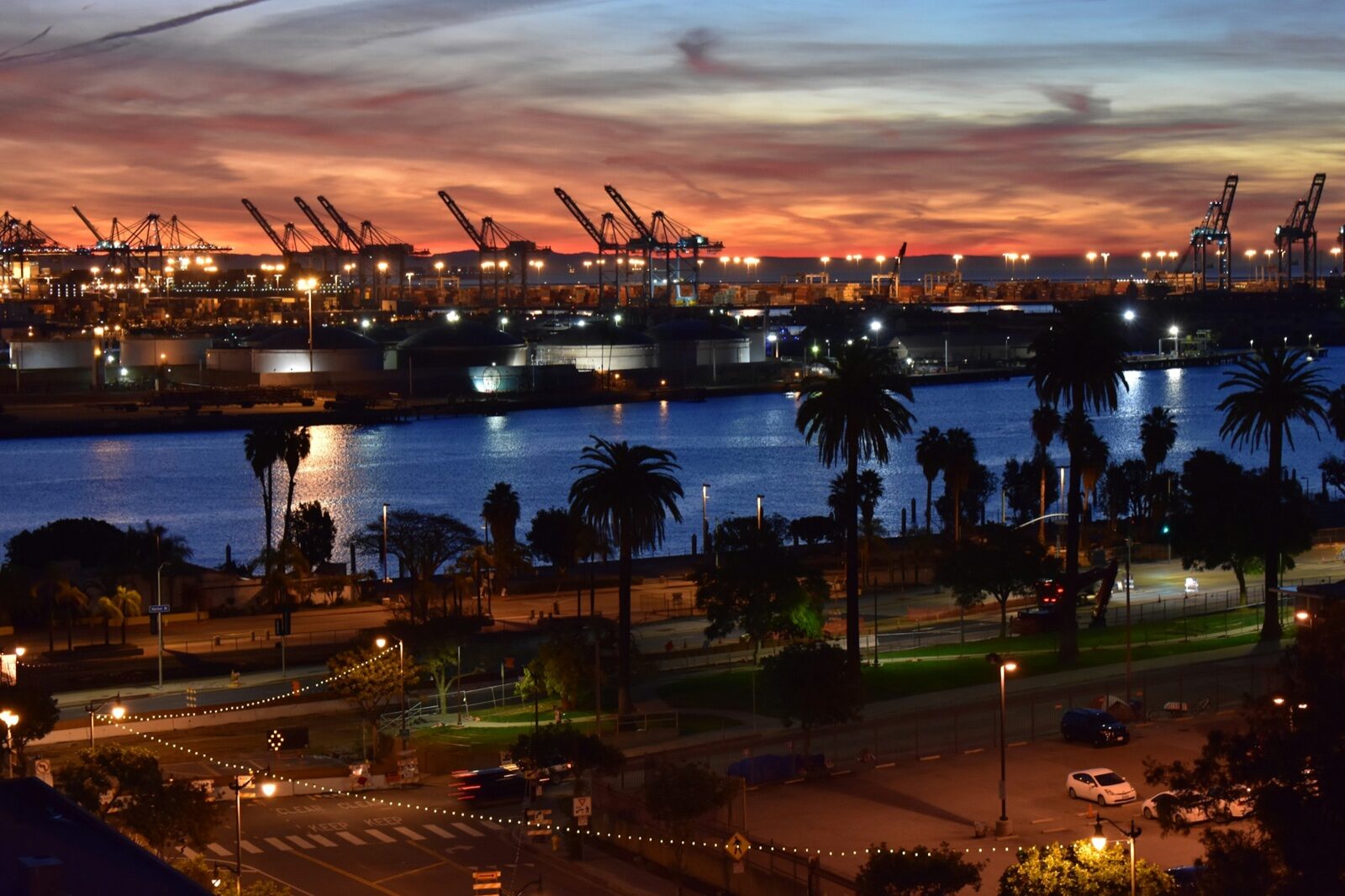
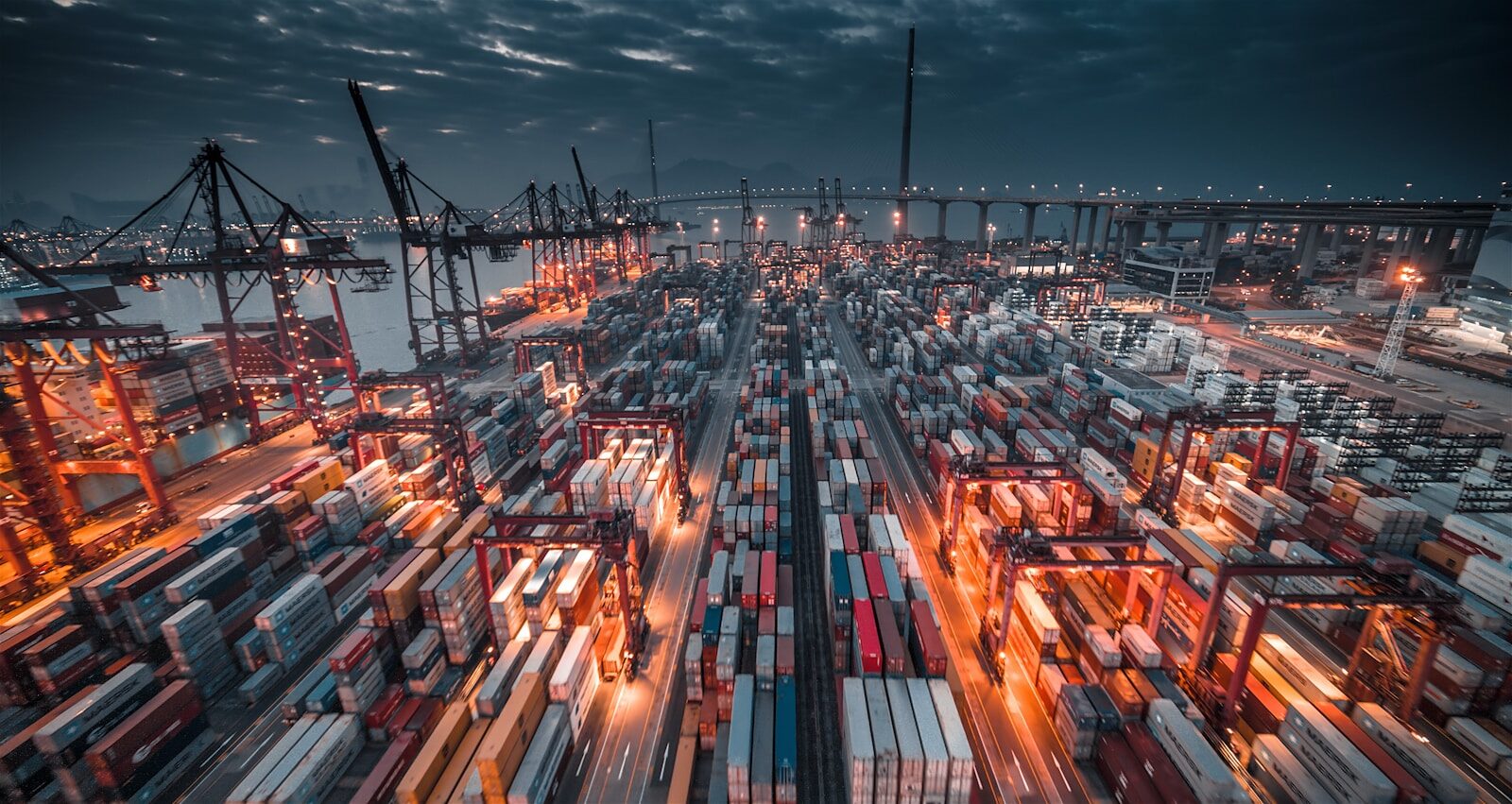
Container cranes lit up along the Port of Los Angeles waterfront at sunrise, seen across the water from San Pedro, with palm trees and a street in the foreground.
Business

Shipping a Container From Asia to America Costs Four Times What It Did in February. To Europe, the Price Is Falling.

Spot rates for a 40-foot container from the Far East to the US West Coast were $8,346 on 1 October, Xeneta said, up 344 per cent since 28 February. To the East Coast they were $11,523. The same box to northern Europe cost $3,726, and that price has been falling since July. Xeneta's chief analyst says the US rates have now peaked, but will not collapse.

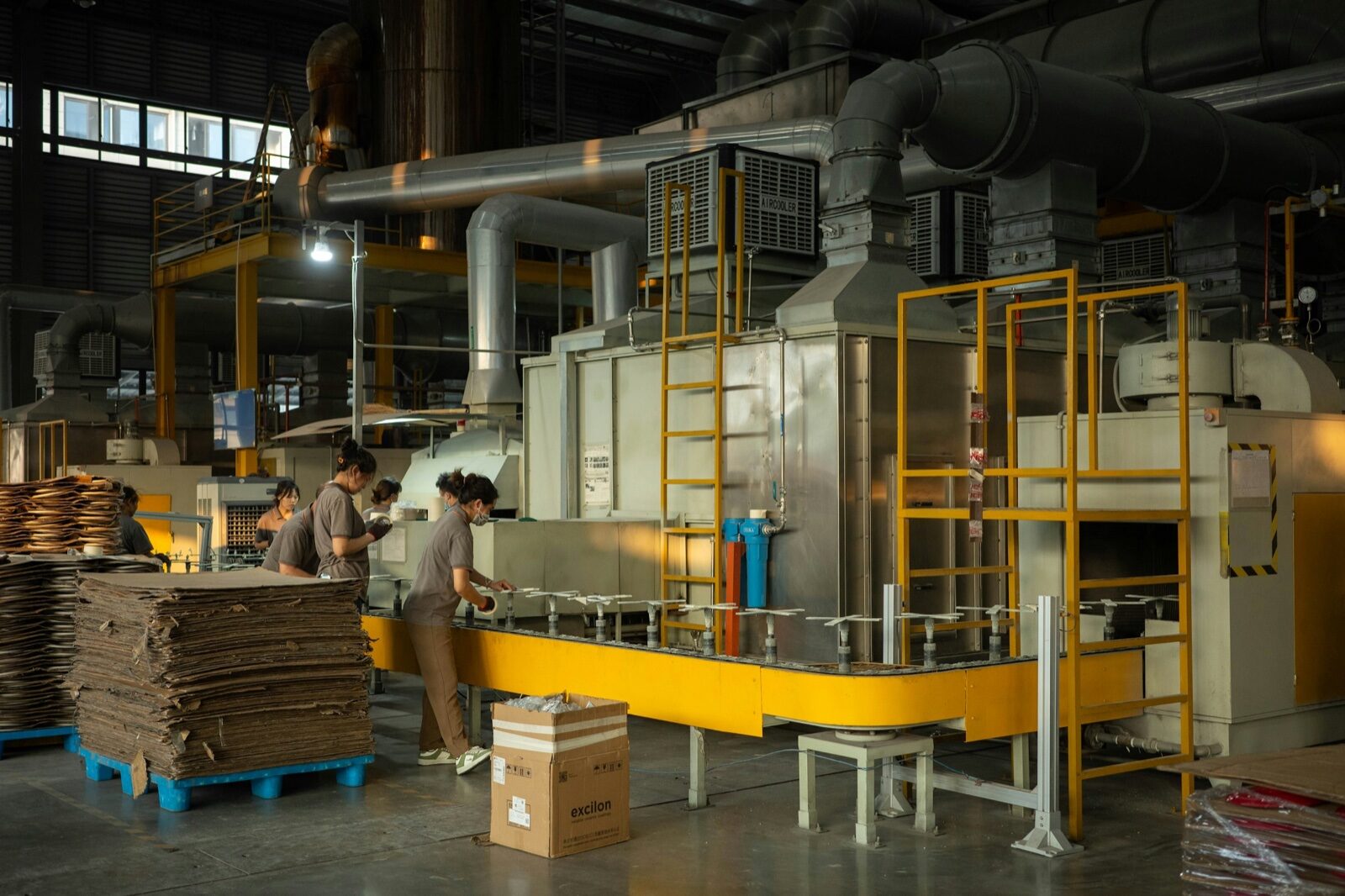
Workers stand at a yellow-framed production machine inside a large factory hall, beside stacks of flattened cardboard on pallets and overhead ducting.
World

China's Factories Grew Again in September. What They Pay for Materials Grew Faster.

China's official manufacturing index rose to 50.1 in September, back above the line after two months of contraction. Production picked up and the services and construction gauge recovered. But the index of raw material prices jumped to 60.8, the steepest reading since the spring, while the index of prices factories charge rose to 54.0. The gap between what manufacturers pay and what they get is widening again.

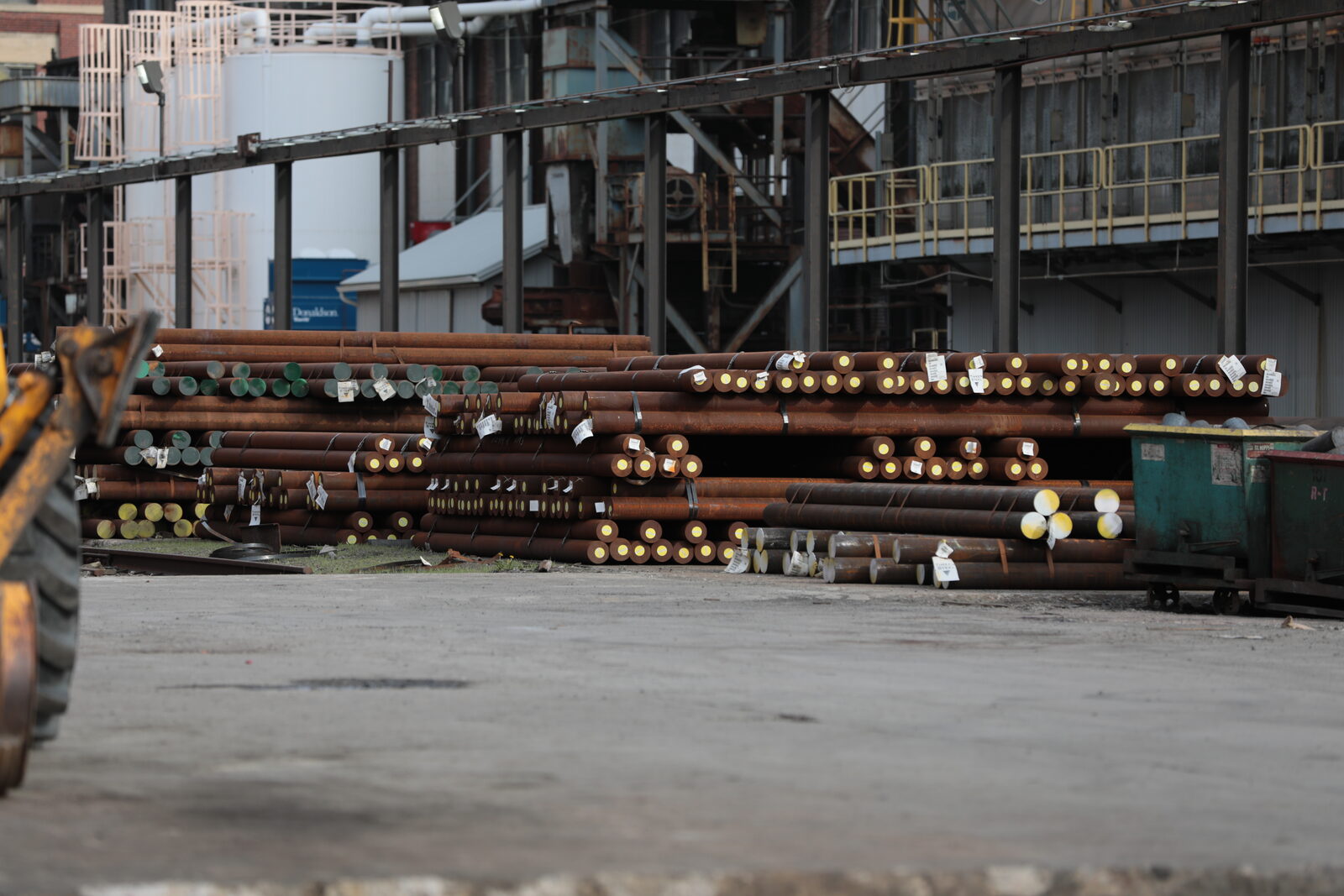
Central Billet Yard at Scranton Army Ammunition Plant
Field Notes

The Gun Is Not the Constraint. The Chemistry Behind the Shell Is.

The US Army's acquisition chief spent a day in August on a howitzer production line in Changwon. The more consequential arrangement is in Arkansas, where a Korean firm has a preliminary lease at a US arsenal to build a $1.3bn plant making nitrocellulose and nitroguanidine — the chemistry every artillery shell is built on, and the part America stopped making.