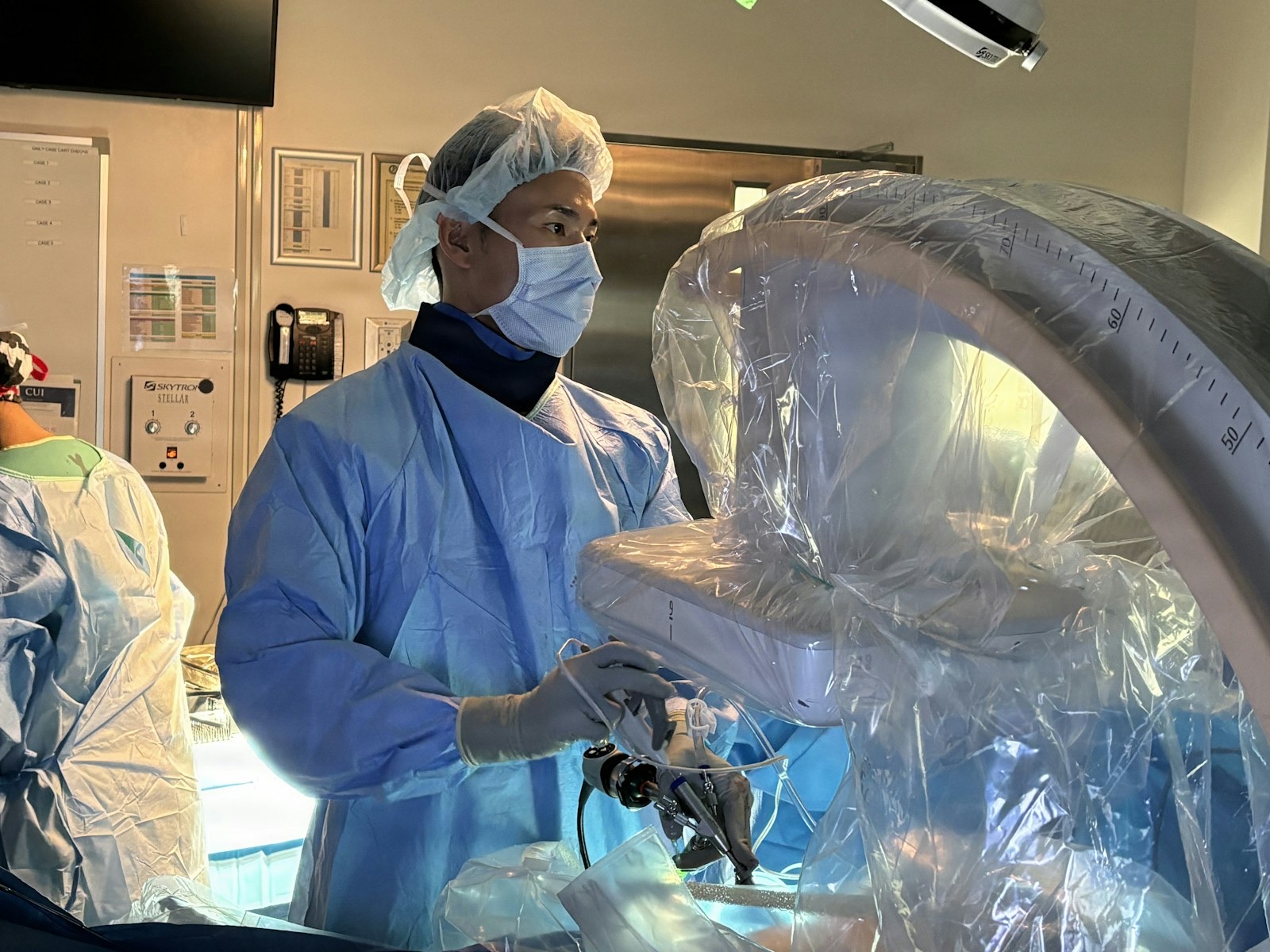
A hospital looks like a redundant system. There are several surgeons who can do the operation, several theatres it can happen in, and a rota built on the assumption that any individual may be unavailable. Clinically that redundancy is real and it is the reason the institution works at all.
Materially it is largely absent. A great many of the physical objects a procedure depends on — a particular catheter, a particular staple cartridge, a specific single-use disposable that mates with a specific device — come from exactly one manufacturer, frequently from one plant. Where a substitute exists on paper, it is often not interchangeable in practice, because the team is credentialed and rehearsed on the one they have and the device it fits was chosen years ago.
Standardisation is the thing that removed the slack
None of this happened by accident or by neglect. It is the intended result of a purchasing strategy that every large health system pursued deliberately and for defensible reasons. Consolidating to a single vendor lowers unit cost, simplifies training, reduces the error rate that comes from staff meeting three variants of the same tool, and shortens the contract book. Group purchasing organisations exist to do exactly this at scale, and they did it well.
The cost was optionality, and optionality is invisible while it is intact. A second qualified supplier is an expense with no visible return in every year that the first supplier delivers, which is nearly every year, which is why the line was cut.
So when an interruption arrives — a cyber incident that halts shipping, a regulatory hold, a fire, a plant that fails an inspection — the hospital does not experience it as a procurement problem. It experiences it as a scheduling problem, within days. Cases get deferred, not because the clinical capacity is gone, but because one consumable in the tray is unavailable and the tray is the unit that matters.
This is the same shape as the drug shortages that are really a manufacturing problem in a pharmacy uniform, where the medicines that run short are the cheap old sterile injectables whose economics never supported a spare production line. It is the shape of the drydock that is booked years out too: capacity that answers a decade rather than a quarter, sized in a normal year and immovable in an abnormal one.
What makes the hospital case sharper is that nobody holds the whole picture. Clinical leaders know which procedures they run. Supply chain knows which contracts it signed. Very few institutions can answer the question that matters — which procedures stop if this one plant stops — because it requires joining a clinical map to a procurement map, and those live in different systems owned by different people. The organisations that have done the exercise generally describe the same surprise: the exposure is not spread across thousands of items, it concentrates in a few dozen.
That is the encouraging part, and it is the reason this is worth writing about rather than simply lamenting. A few dozen items is a tractable list. It can be dual-sourced, or stocked deeper, or at minimum flagged so the deferral is planned rather than discovered on the morning. What it cannot survive is remaining unwritten, because an institution that has not identified its single points of failure has not eliminated them. It has only arranged not to know where they are.
Topics healthhospitalssupply chainprocurement