The pharmacy desert entered public vocabulary as a rural problem, and as a rural problem it made intuitive sense. Low population density, long distances, a single store serving a wide area, and the predictable consequence when that store closes.
The closures of recent years have not respected that framing. Chains have shut locations in dense urban neighborhoods with substantial populations, where the barrier is not distance but the difference between a store six blocks away and one requiring two buses with a prescription that expires.
Reimbursement, not foot traffic
The instinct is to read a closure as a demand signal, and here it mostly is not. Retail pharmacy margin on dispensing is set by reimbursement negotiated between benefit managers and payers, not by the store, and it has compressed to the point where dispensing volume alone does not sustain a location.
That makes front-of-store sales decisive, and front-of-store is precisely what has migrated online. A pharmacy in a neighborhood where residents buy household goods from a delivery service loses the profitable half of its business while keeping the unprofitable half, and closes despite serving a population that genuinely needs it.
The clinical consequences are well documented and easy to underestimate. Pharmacy proximity affects whether prescriptions get filled at all and whether refills happen on schedule, and adherence to maintenance medication is one of the more consequential variables in managing chronic conditions. It sits directly upstream of the outcomes that food as medicine programs and team-based primary care redesigns are trying to influence, and a patient who cannot reliably fill a prescription is not a patient those interventions can reach.
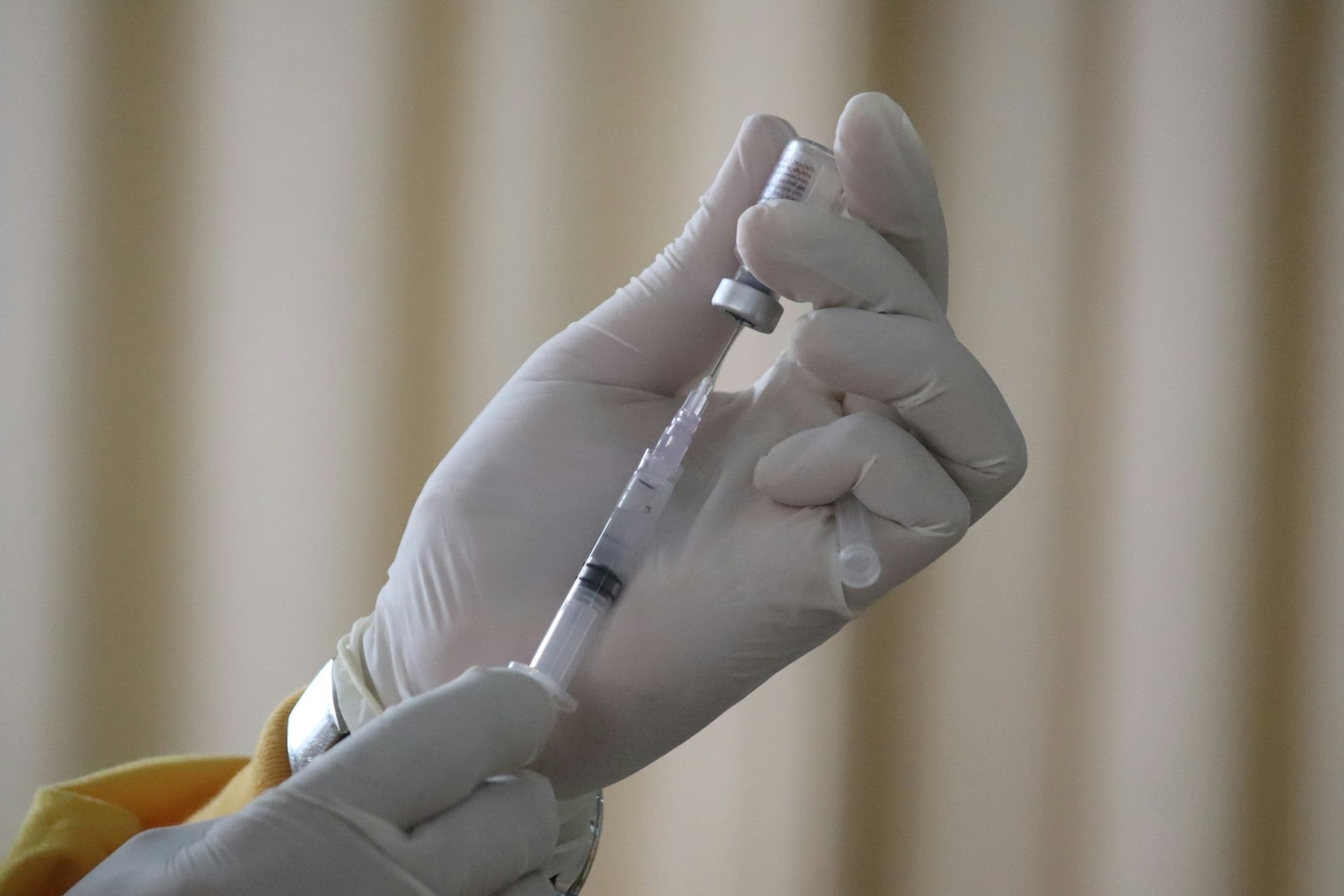
The pharmacist's role has been expanding in the opposite direction from the store count. Vaccination, testing, some prescribing authority and medication management have made the pharmacist a more substantial clinical presence, particularly in the team-based models that primary care has adopted in response to its own staffing math. Removing that presence from a neighborhood removes more clinical capacity than the dispensing counter suggests.
The responses taking shape are partial. Independent pharmacies have picked up some closed locations, though they face the same reimbursement terms with less negotiating leverage. Mail order works for stable maintenance prescriptions and poorly for acute needs, which is when access matters most. Some health systems have opened pharmacies as a service line rather than a profit center, which is closer to the right structural answer and requires an institution willing to fund it, in the same way employer-run clinics reappeared once someone was prepared to treat access as an input rather than a business.
Staffing has deteriorated alongside the footprint. Pharmacists in high-volume retail settings report workloads that make careful verification difficult, and the resulting attrition removes capacity even from locations that remain open, which is a quieter version of the same access problem.
None of these addresses the underlying reimbursement structure, which is the actual cause, is set nationally, and is not on anyone's near-term agenda.
The same withdrawal shows up in a service insurance barely covers at all: dentistry is the part of the body insurance forgot.
Topics healthpharmacyaccesshealthcare policyworkforce