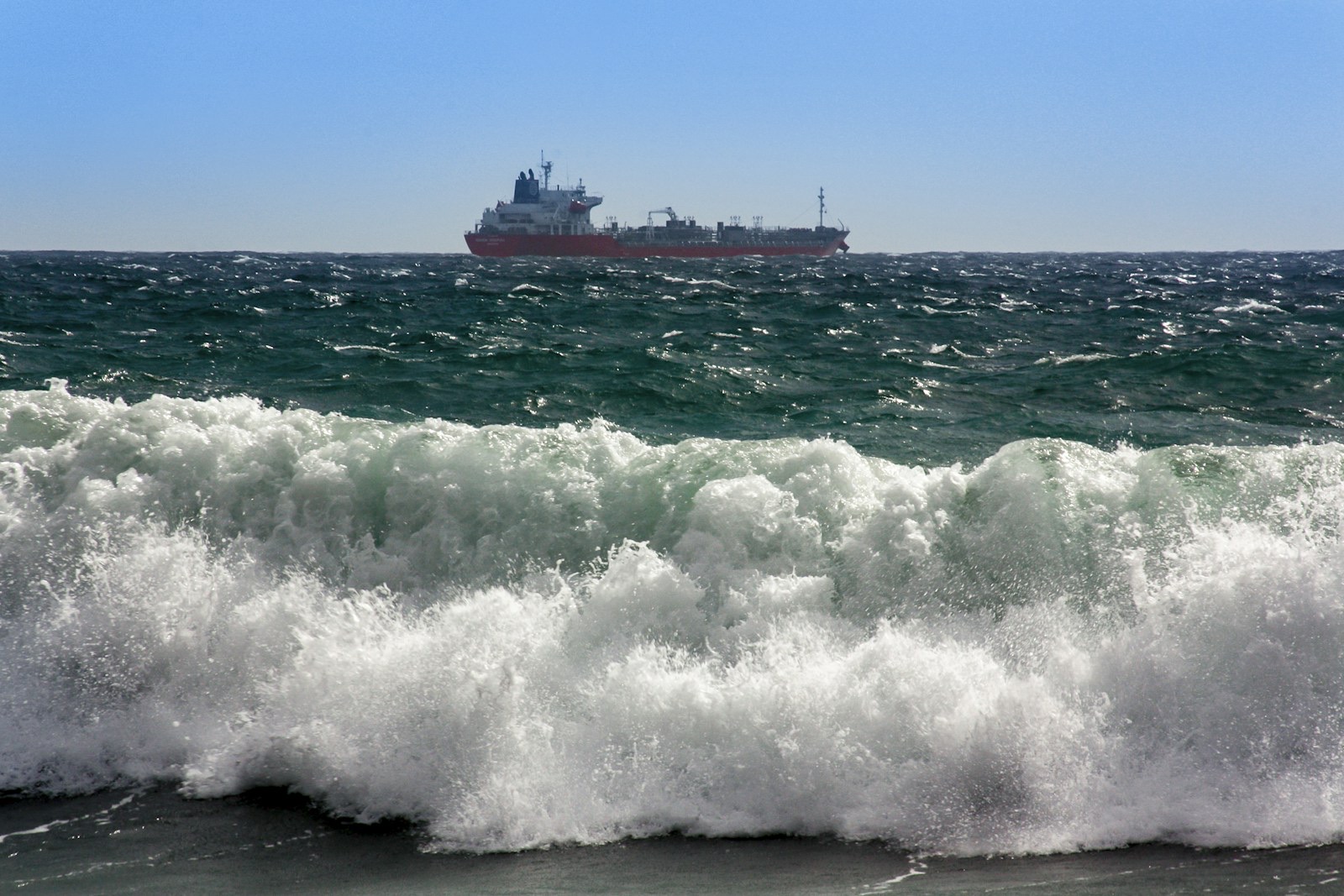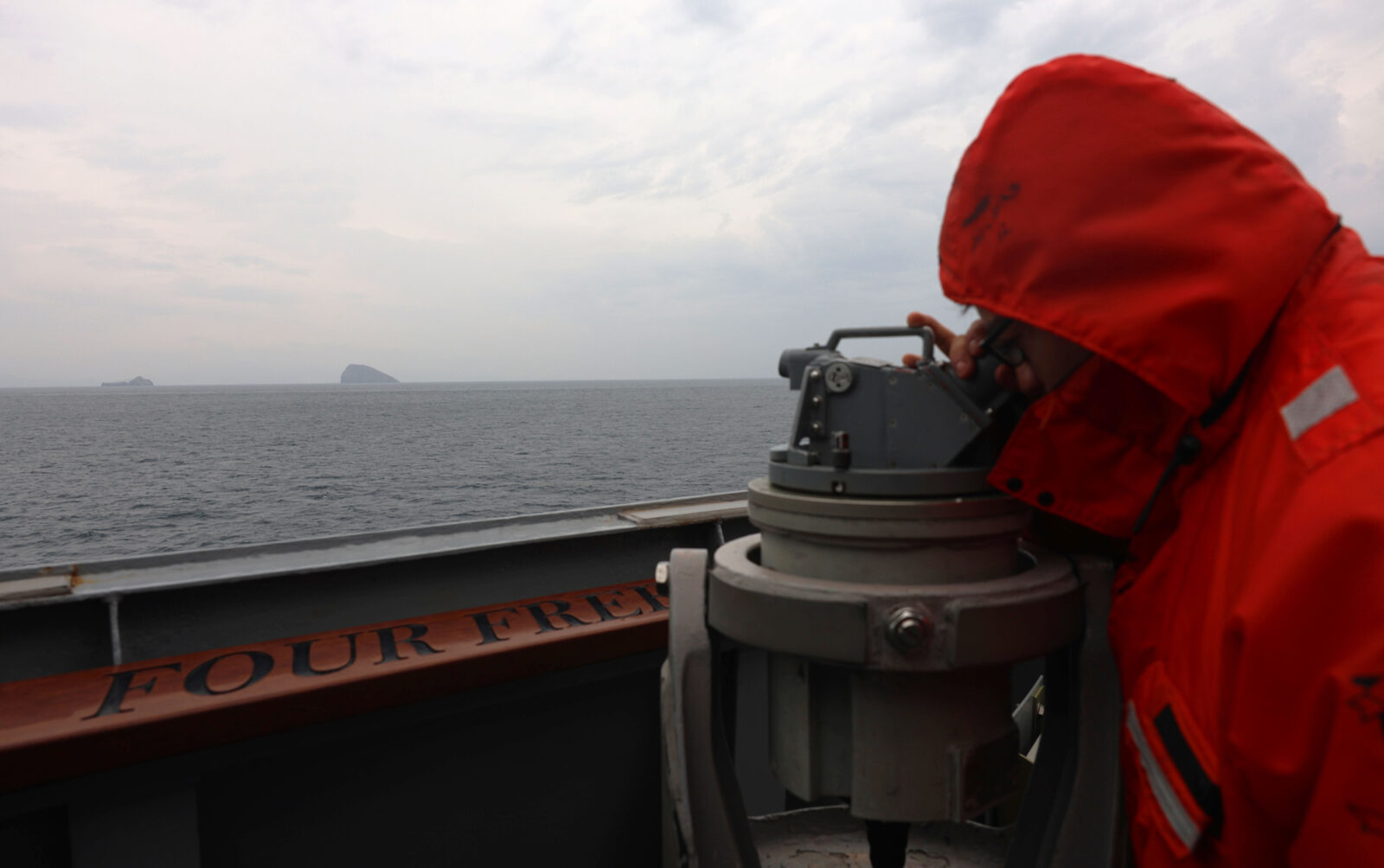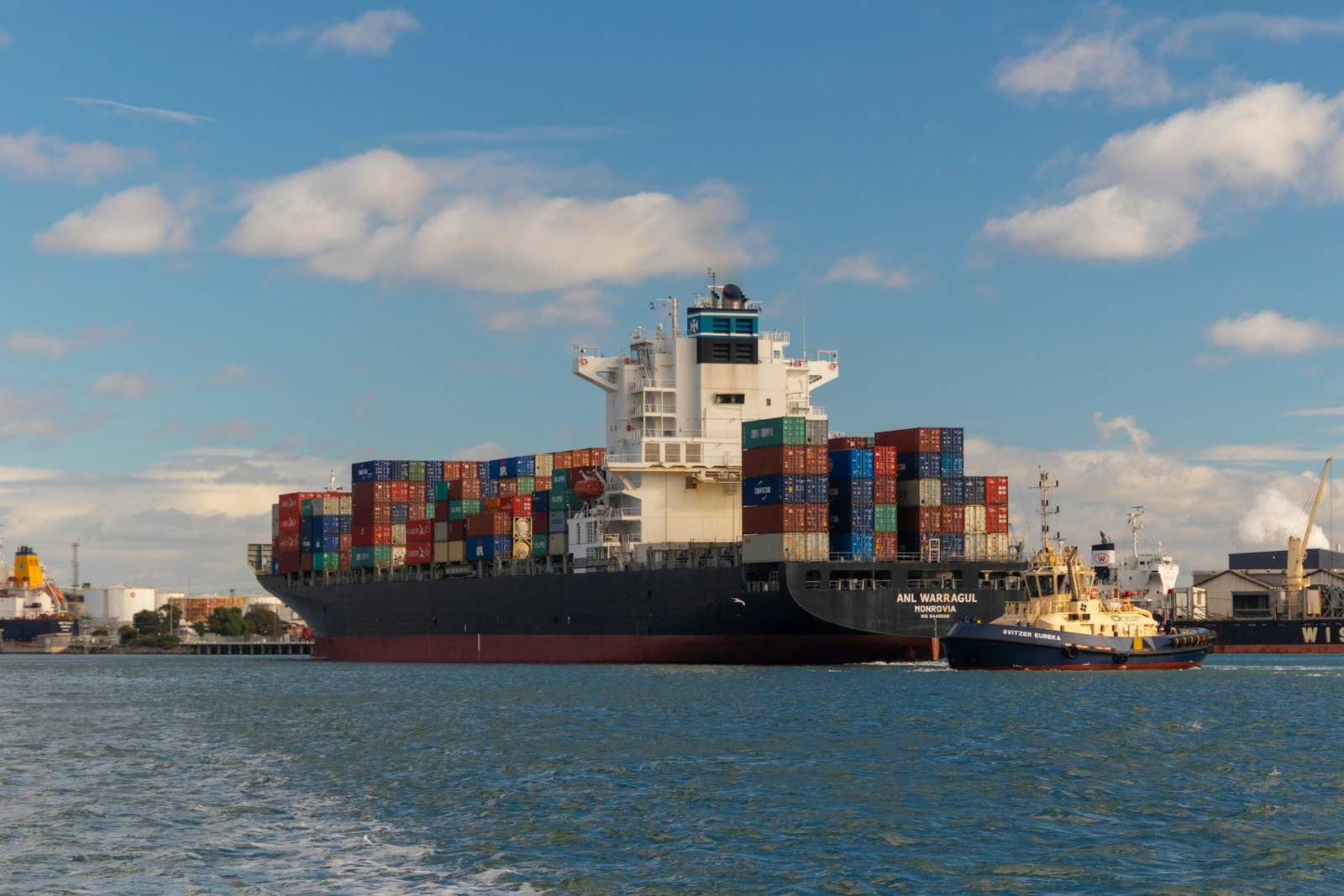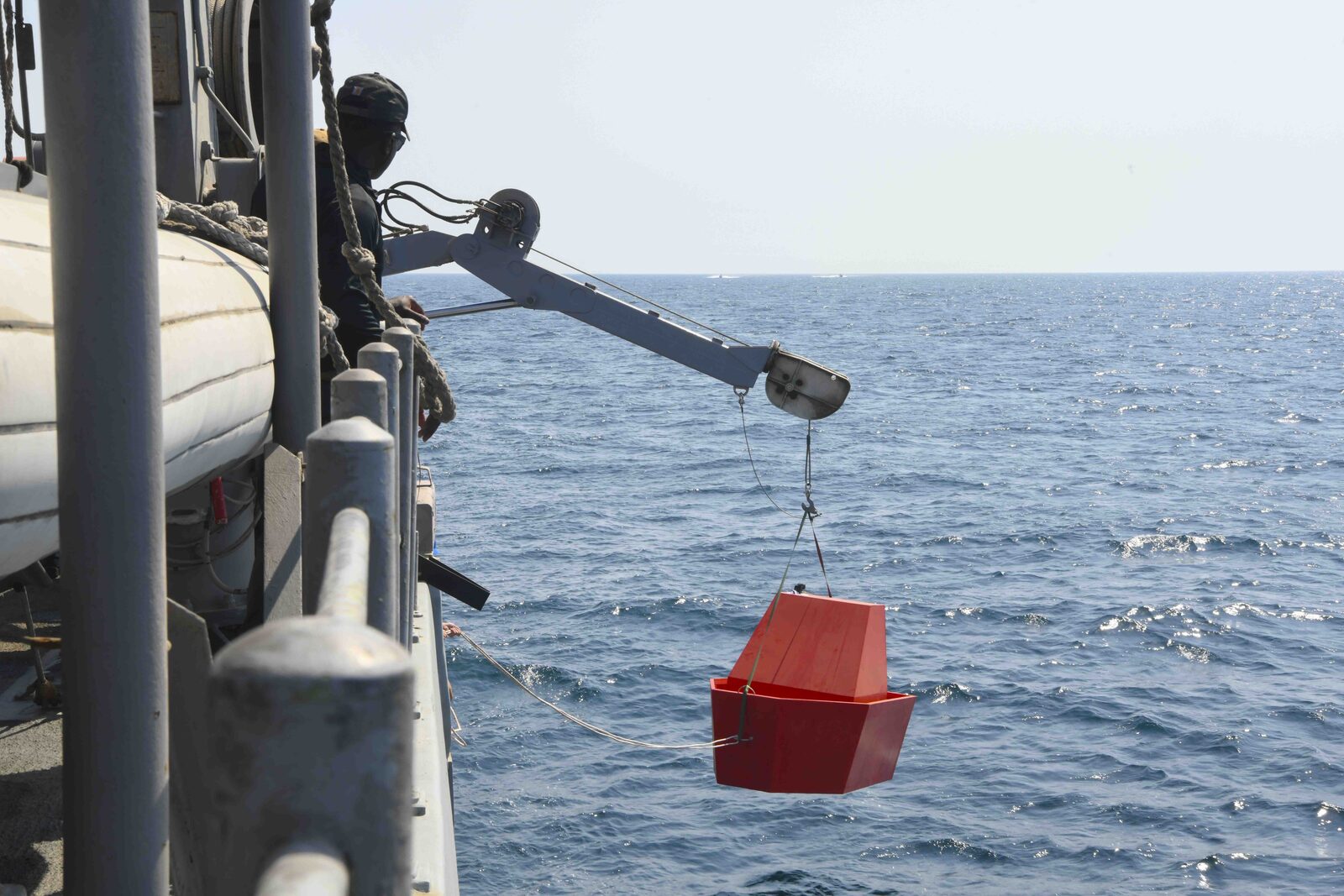
The clearance operation began in April. Two guided-missile destroyers entered the Strait of Hormuz, followed by underwater drones working the transit routes. In time US Central Command said the lanes were clear.
Iran's deputy foreign minister disputed it. That is expected and largely beside the point. The more interesting objection comes from the organisations whose job is to tell merchant captains what is safe: the Joint Maritime Information Center still cites a continued risk of drifting or uncharted mines, and the UK Maritime Trade Operations centre still lists active mine-danger areas.
Both statements can be true. A route can be swept and a sea can remain dangerous, and the distance between those two facts is the whole story.
What clearance actually claims
Mine countermeasures work produces a Q-route: a surveyed corridor, of specified width, which has been searched to a stated confidence level at a stated time. It is a line on a chart with a date on it.
It is not a statement about the body of water either side of the line. It is not permanent — mines drift, and seabed influence mines are hard to detect and can be laid again by anything that floats. And its confidence level is never a hundred percent, because sweeping to certainty is not a thing that can be done at sea.
So "the routes are clear" is a precise and limited claim, correctly made. What it cannot be is a guarantee, and the bodies that issue navigational warnings are not being obstructive when they decline to convert it into one. They are describing the residual.
The constraint was somewhere else
Here is the part that reframes the whole operation. Analysts at RAND and at King's College London, assessing what actually threatens shipping in the strait, point past the mines to anti-ship cruise and ballistic missiles and to drones — launched from the Iranian mainland, at a coastline that runs the entire length of the waterway.
Mines are a weapon you can remove. A missile battery on a shore you do not control is not a weapon you can remove, and no amount of sweeping addresses it. The clearance operation solved the problem that clearance can solve, and the residual threat is the one it was never able to touch.
This is why the reopening has not followed the clearance. The world watched a difficult and genuinely impressive military operation succeed, and then watched the traffic not come back, and concluded that either the operation failed or the market is being irrational. Neither is the case. The binding constraint was never mines, so removing the mines did not relax it.
Why the mines were laid anyway
Not because they were expected to sink much. Because they are cheap, and because the response to them is expensive.
A sea mine costs very little. Removing one requires destroyers, specialised vessels, underwater drones, aircraft and weeks of ship-days from a navy that has a finite number of hulls and other places to put them. The asymmetry is the point: laying is quick and cheap, clearing is slow and dear, and while the clearing happens the strait is closed by the possibility of mines rather than by the mines.
That is the same shape as the subsea cable repair fleet — infrastructure that is trivial to damage and slow to fix, where the repair capacity, not the damage, sets how long the disruption lasts. A strait and a cable are different objects with the same arithmetic.
What the shipowner is deciding
None of this reaches a master's bridge as an assessment of mine density. It reaches them as two numbers: a rate and a premium.
The premium is where the residual risk gets priced, and it prices the whole threat — mines, missiles, drones, boardings — not the swept lane. That is why the naval escorts have not brought the cost of a transit down and why clearance has not either. Underwriters are not scoring the operation. They are pricing a coastline that is unchanged and a war with no ceasefire.
And it reaches the crews as a decision nobody thanks them for, which this desk has written about before: the ships can reroute and the people aboard them cannot. "The mines are cleared" is a sentence that lands very differently on a bridge than in a briefing room.
The measure
Before the war, about 130 ships a day made this transit, carrying roughly a fifth of the world's seaborne oil and gas. That is the denominator, and it is the only honest scoreboard.
Not mines destroyed. Not lanes surveyed. Daily transits, against 130, sustained over weeks — because a strait is not open when it is safe to cross. It is open when enough people are crossing it that the crossing has stopped being a decision.
The April 2026 start of the clearance operation with two guided-missile destroyers followed by underwater drones, CENTCOM's statement that transit routes were cleared, the Joint Maritime Information Center's warning of continued risk from drifting or uncharted mines, the UK Maritime Trade Operations centre's active mine-danger areas, the assessments attributed to Mark Hilborne of King's College London and Scott Savitz of RAND regarding Iranian mine capability and to Ambrey on shipping adaptation, the greater weight given to shore-launched missiles and drones, the dismissal of the clearance claims by Iranian deputy foreign minister Kazem Gharibabadi, the pre-war figure of about 130 transits a day carrying roughly a fifth of the world's oil and gas, and the absence of a ceasefire are as reported by Al Jazeera on 26 August 2026 and by Fox News and Task & Purpose in their accounts of the CENTCOM briefing. The analysis is our own.
Topics worldhormuzshippingenergy