The New York Times has published an account, citing Iranian officials, of how the memorandum meant to end the war between Iran and the United States fell apart in July.
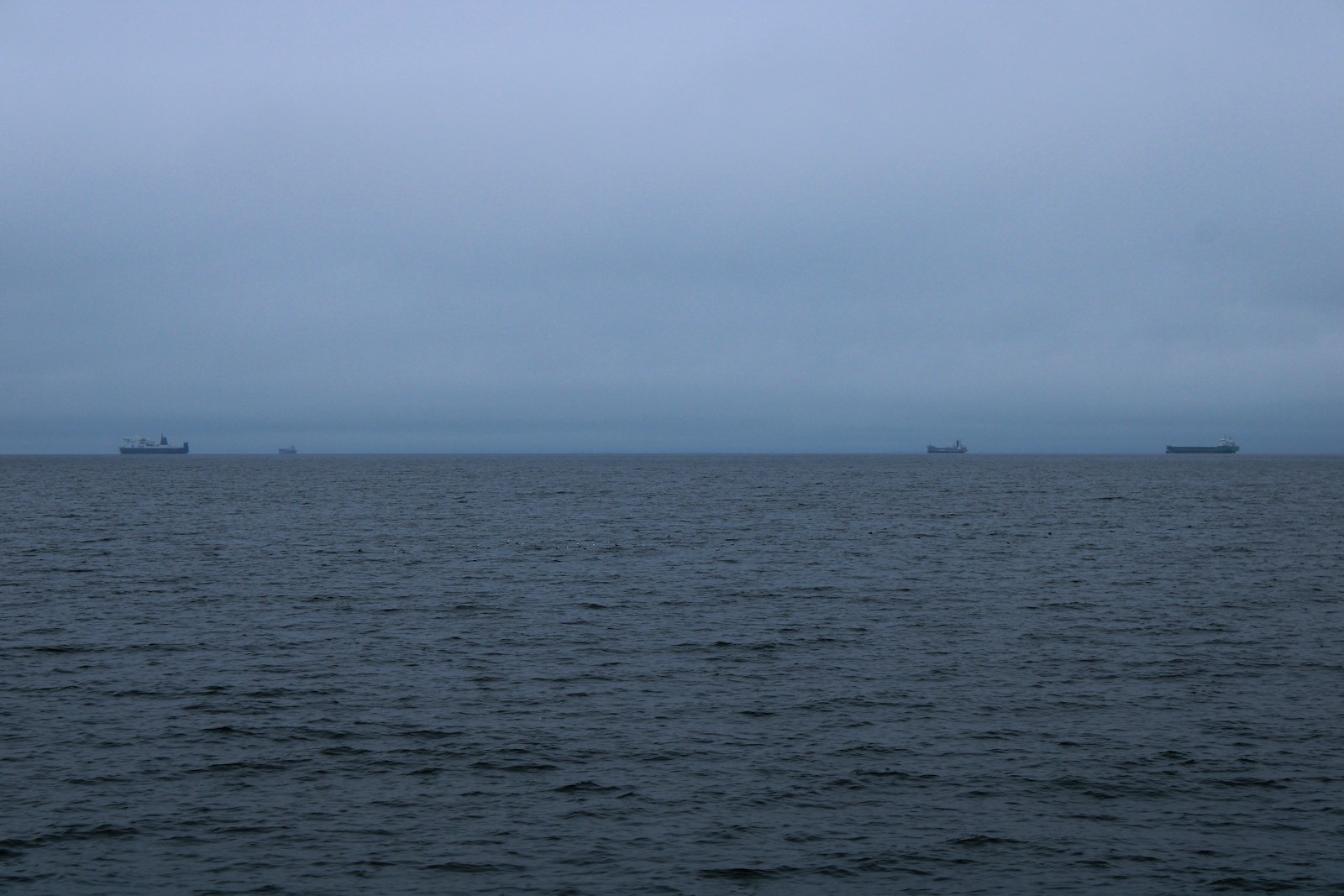
According to the report as summarised by The Times of Israel, a group of hardliners attacked commercial ships in the Strait of Hormuz in early July without the knowledge of Iran's president, the commander of the Revolutionary Guards or the Supreme National Security Council. President Masoud Pezeshkian, surprised, called the IRGC chief, Gen. Ahmad Vahidi, in anger. Vahidi told him he had neither authorised the strikes nor known about them. The attacks provoked an American response, the memorandum collapsed, and several officials threatened to resign in what the report calls some of the most volatile disagreements among Iran's leaders in years.
The report attributes the faction's freedom to act to a vacuum at the top. Supreme Leader Mojtaba Khamenei has not been seen in public since succeeding his father, who was killed in the war's opening strikes. The Times of Israel's account identifies Hossein Taeb — the cleric who ran the Revolutionary Guards' intelligence organisation from 2009 to 2022 — as leading the faction.
This is not a new explanation
It is a more detailed one. Three commercial ships were attacked on 6 and 7 July. Within days, the Critical Threats project reported that Iranian officials had privately told their American counterparts an "errant" hardline faction trying to undermine negotiations was responsible.
Its analysts did not accept that at the time. The IRGC Navy, which is responsible for operations in the strait, had acted afterwards to secure control of traffic through it — which, they wrote, "indicates that the Iranian chain of command, not an 'errant faction,' made a strategic decision to resume attacks." Their broader reading was that Tehran's negotiators and the Guards differ on tactics, "negotiations or military action — not strategic ends."
The Times has now put names, a phone call and a set of threatened resignations to the version Tehran was offering in July. That is new reporting. It is not independent proof that the version is true, and this publication has not seen the sourcing behind it.
Who the account serves
A rogue faction is a convenient explanation because it is useful to almost everyone who might tell it.
For Iran's negotiators, it preserves the possibility of a deal. If the state did not choose to break the memorandum, the state can still be trusted to sign the next one. For the hardliners, the account costs nothing: the attacks happened, the memorandum died and the strait remains contested. For Washington, it offers a reason to return to talks without conceding that the last agreement was broken deliberately by the people who signed it.
None of that means the report is wrong. Factional competition in Tehran is real, and the absence of a visible supreme leader is exactly the condition in which it would matter more than usual. It means the account cannot be judged by how plausible it sounds.
The detail that cuts the other way
Taeb was appointed commander of the Basij on 10 August, roughly a month after the attacks.
If he led a faction that acted without authority and destroyed the government's chief diplomatic effort, his next posting was command of a paramilitary force central to domestic mobilisation. That is not what a sanction looks like. Either the attribution to him is mistaken, or the people with the power to appoint him did not regard what happened in July as insubordination — which is closer to the Critical Threats reading than to the rogue-faction one.
Why it matters for the next agreement
This desk wrote this week about a war with a published end date. President Trump said again on Saturday that the conflict would end "very soon", "probably right after election times."
Any agreement to end it has to answer the question the Times report raises, whichever version is true. A signature is worth what the signatory can enforce. If a faction can break a memorandum without the president, the Guards commander or the security council knowing, then the next memorandum needs to be signed by someone who can stop that faction. If it cannot, the signature is ceremonial. If the chain of command decided, the problem is not enforcement but intent.
What to watch
Whether anyone in Iran is removed, prosecuted or visibly sidelined for the July attacks. A government that has genuinely lost control of a faction acts against it once it has the power to. A government that is using a faction as cover does not. So far, the one named figure has been promoted.
The account of the New York Times report — that a hardline group attacked ships in the Strait of Hormuz in early July without the knowledge of President Masoud Pezeshkian, IRGC commander Gen. Ahmad Vahidi or the Supreme National Security Council; Pezeshkian's call to Vahidi and Vahidi's denial; threatened resignations; the derailing of the memorandum of understanding; the attribution to a leadership vacuum while Supreme Leader Mojtaba Khamenei has not appeared in public; and the identification of Hossein Taeb as leading the faction — is as summarised by The Times of Israel on 13 September 2026, citing the Times. This publication has not seen the underlying sourcing. Taeb's appointment as Basij commander on 10 August 2026 and his earlier career are as reported by Iran International. The attacks on three commercial vessels on 6 and 7 July, Iranian officials' private attribution to an "errant" faction, and the analysis quoted are from the Critical Threats Iran Update special report of 11 July 2026. President Trump's remarks that the war would end "probably right after election times" are as reported by Anadolu Agency on 13 September. The analysis is our own.
Topics worldiranhormuzunited statesdiplomacy