Saudi Arabia shut its East-West pipeline on Friday.
Drones struck the line in the Riyadh and Medina regions, setting fires and damaging pump stations. Riyadh and Baghdad both said the drones came from Iraq, where Iranian-backed militias operate. Nobody has claimed the attacks. Iraq dismissed a provincial military commander and closed a border crossing with Iran; Saudi Arabia said it would hold off on retaliation "at this stage."
Over the weekend, on the other side of the Arabian Peninsula, the Houthis finished taking Yemen's Red Sea coast. They captured the port of Mokha and then Perim Island, the rock that splits the Bab al-Mandab into its two shipping lanes. Their forces now sit about 20 kilometres from the African shore.
On Monday Brent rose about 3.5 percent, toward $108.
What the pipeline was for
The East-West pipeline runs about 1,200 kilometres from the oilfields of the Eastern Province to Yanbu on the Red Sea. It exists for one reason: to give the world's largest crude exporter a way to sell oil that does not depend on the Strait of Hormuz.
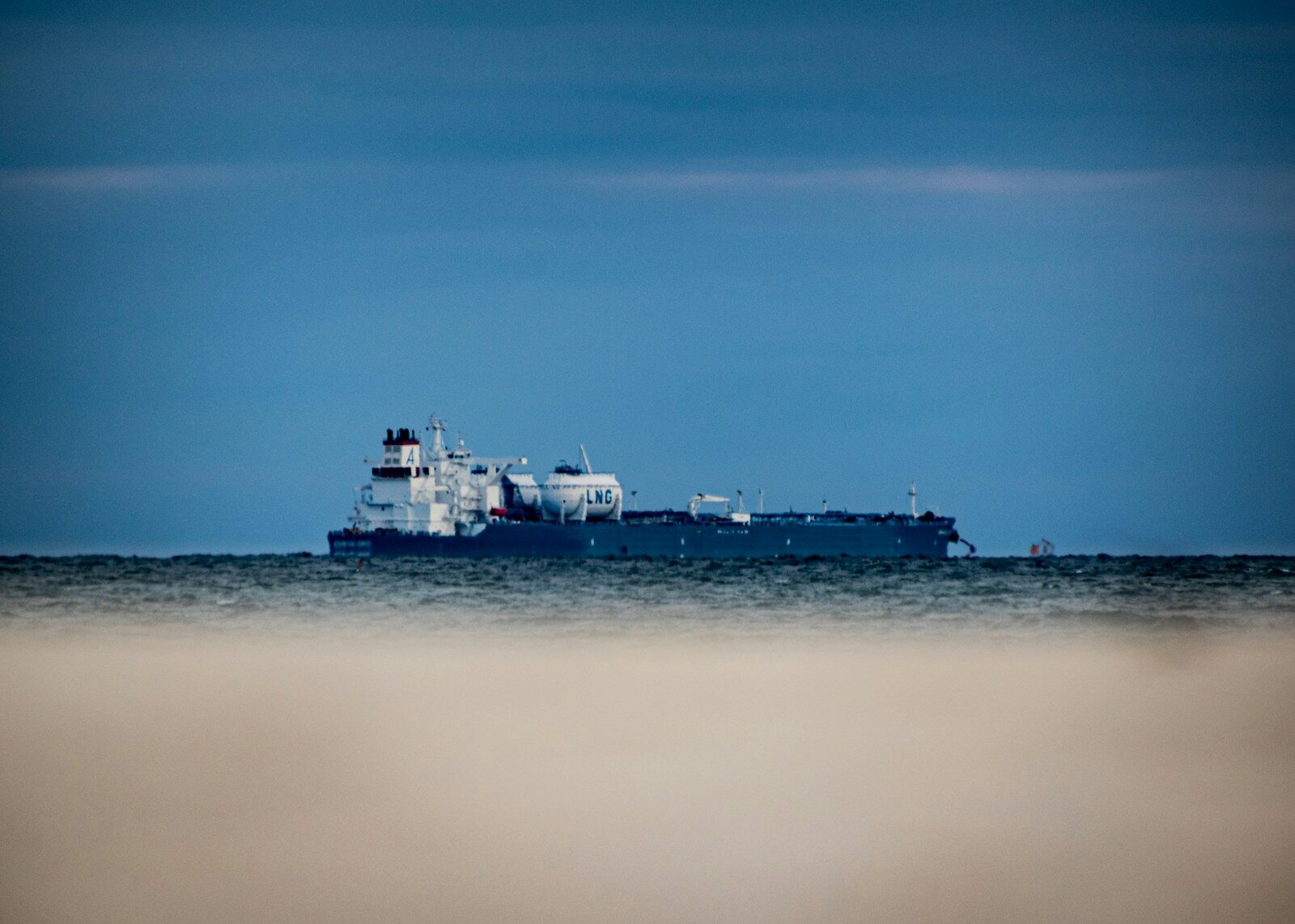
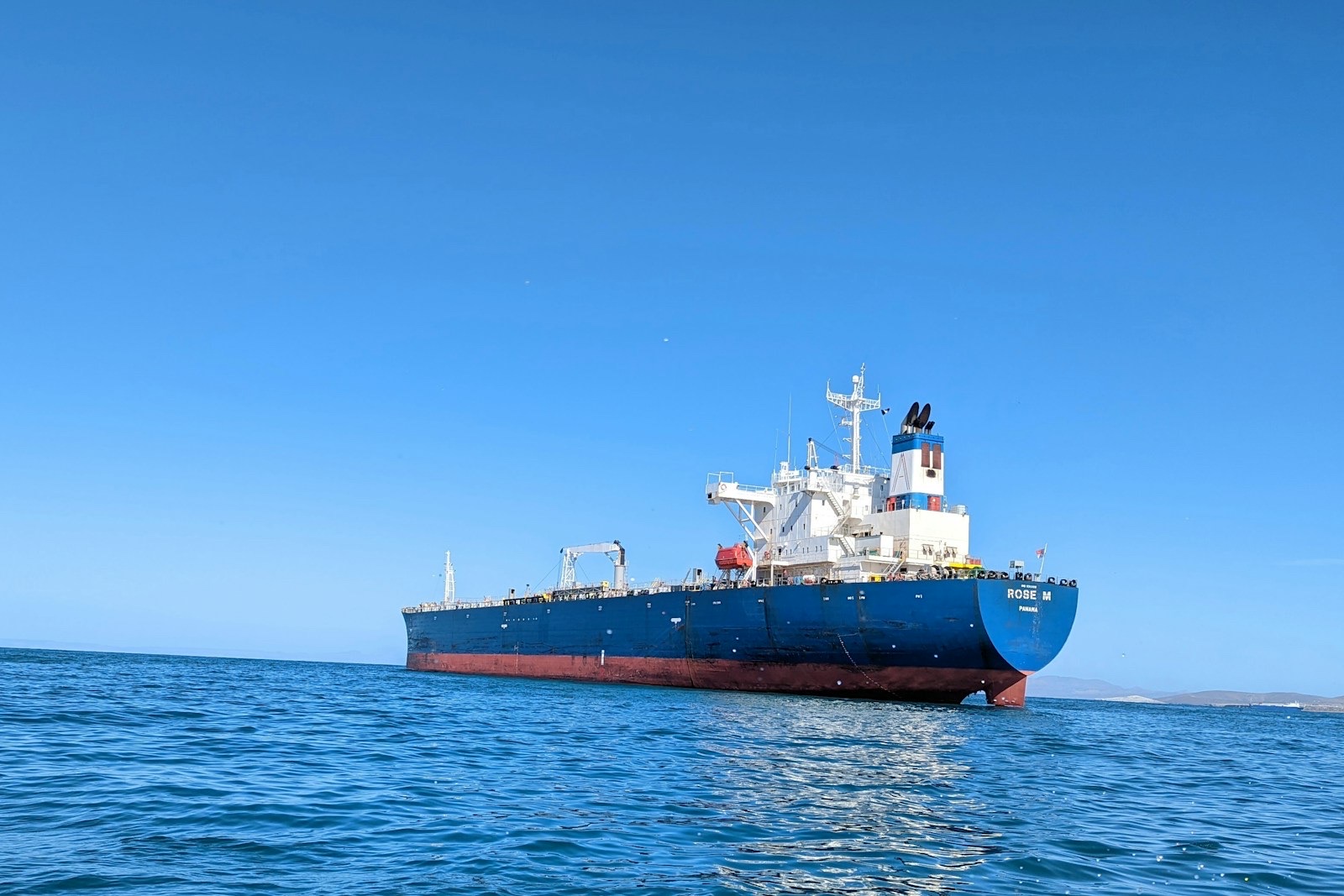
Since tanker traffic through Hormuz slowed to a trickle this spring, it has been doing exactly that, carrying four to five million barrels a day according to reporting by Al Jazeera. This desk has written about what the closure did to the tanker fleet and about two governments selling permission to use the same water. Through all of it, the pipeline was the reason Saudi barrels kept reaching buyers.
A previous attack in April was repaired within three days. The extent of the damage this time has not been disclosed.
The pipeline was always half a route
Here is the part that is easy to miss on a map.
Oil pumped to Yanbu leaves by sea. A tanker loading there for Europe sails north, through the Suez Canal. A tanker loading for Asia — where Saudi Arabia's largest customers are — sails south, the length of the Red Sea, and out through the Bab al-Mandab.
The bypass therefore had two points of failure, not one: the pipe itself, and the strait at the far end of the sea it empties into. On Friday the first was shut. By Sunday the second was controlled by a force whose military spokesman, Yahya Saree, says Saudi vessels remain banned from it.
A Houthi official said at the same time that navigation through the strait was "safe and orderly" and that there was no cause for international concern. Both statements can be true at once for everyone except Saudi Arabia, which is the point.
Why the strait matters beyond Saudi oil
Roughly 12 percent of global trade passes the Bab al-Mandab, including 11 percent of seaborne oil and 8 percent of liquefied natural gas, according to figures reported by Al Jazeera.
Shipping through the Red Sea had already fallen by half between 2023 and 2025 as operators routed around the Cape of Good Hope, adding weeks to voyages. The difference now is geography. Attacks from the coast were a risk ships could price. A force holding the island in the middle of the channel narrows the passage to the point where, as one maritime security analyst put it to Al Jazeera, targeting ships becomes simpler than before.
The offensive that got it there has killed more than 500 people and displaced about 46,000, according to the UN migration agency. More than 2,000 government troops are reported besieged on the Hanish islands to the north.
What this does to the price
It removes the buffer. Brent was around $72 before the war with Iran began. It has spent this month above $100, and held there rather than spiking further partly because Saudi barrels kept moving by the western route.
Those barrels now face a shut pipe and, if the pipe reopens, an exit to Asia that runs past Houthi guns. That is why Monday's move came on a weekend of news that did not, by itself, take a single additional barrel off the market. It changed how long the market thinks the current disruption can be absorbed.
The report that the United States declined Saudi requests for strikes on Houthi positions, if accurate, removes one of the ways the second problem might have been solved quickly.
What to watch
The Ministry of Energy's statement on when the pipeline restarts, which will settle whether this is a repair measured in days or in weeks. Then tanker loadings at Yanbu once it does, and specifically which way the loaded ships turn. A pipeline sending oil only north to Suez is a pipeline serving Europe, and the buyers who depend on Saudi crude most are in the other direction.
The shutdown of the East-West pipeline by Saudi Arabia's Ministry of Energy after drone attacks in the Riyadh and Medina regions; its length of about 1,200km to Yanbu; the attribution by Riyadh and Baghdad of the drones to Iraq, including Iraq's Maysan province; the absence of any claim; Iraq's dismissal of a provincial military commander and closure of a border crossing with Iran; Saudi Arabia's statement that it would hold off retaliation "at this stage"; the pipeline's typical throughput of four to five million barrels a day; and the repair of an earlier April attack within three days are as reported by Bloomberg, CNBC, CNN and Al Jazeera on 11 and 12 September 2026. The Houthi capture of Mokha, Zuqar Island and Perim (Mayyun) Island; the figures of more than 500 dead and about 46,000 displaced from the UN migration agency; the besieging of more than 2,000 government troops on the Hanish islands; the statements of a Houthi official and of military spokesman Yahya Saree; and the report that the United States declined Saudi requests for strikes are as reported by Euronews, NBC News and The Times of Israel on 11 to 13 September. The shares of global trade, maritime oil and LNG passing the strait are as reported by Al Jazeera on 13 September. Brent's move toward $108 on 14 September is as reported by Yahoo Finance. The geographic analysis of Yanbu's export routes is our own.
Topics worldoilsaudi arabiashipping