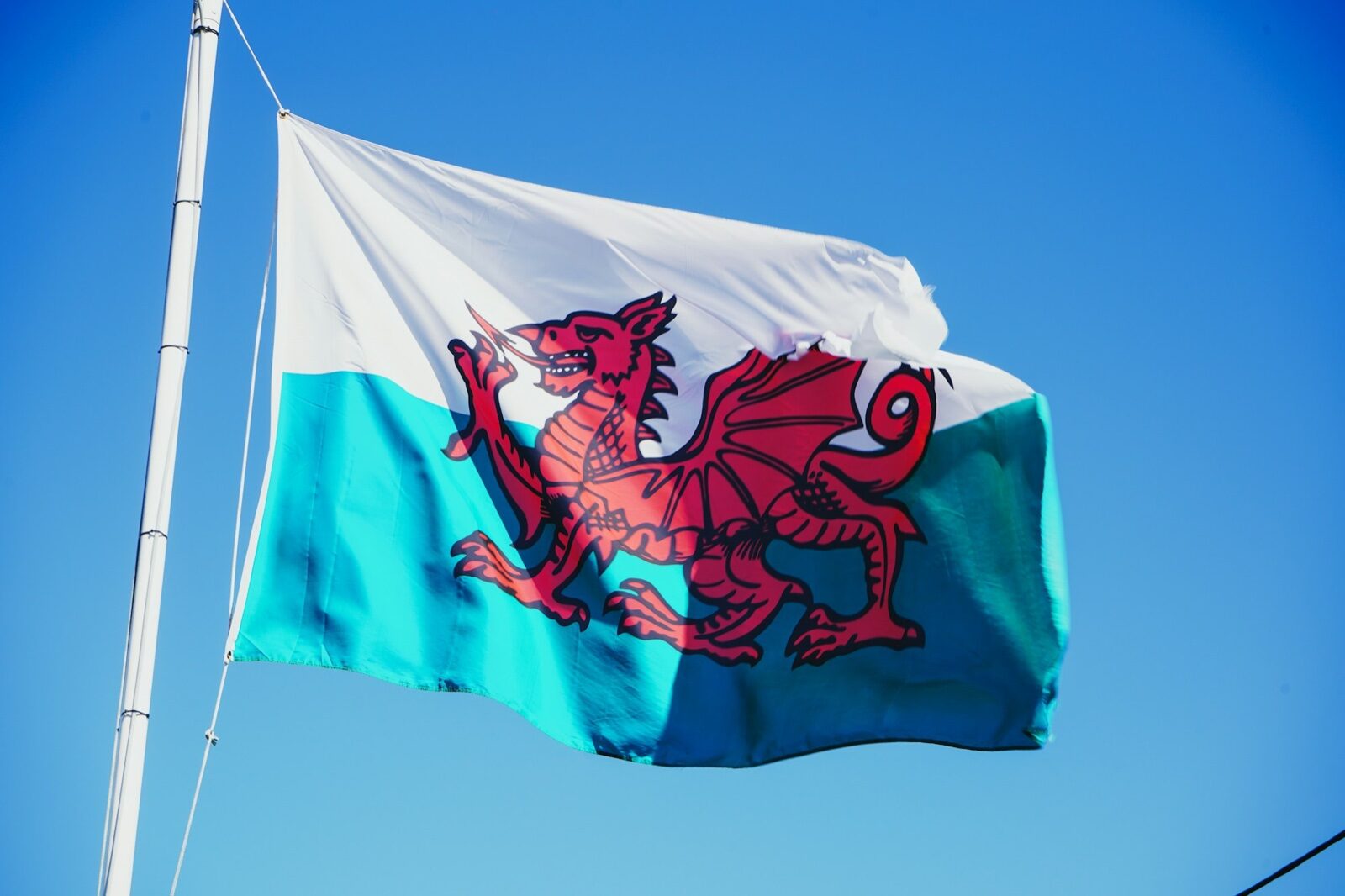
Three first ministers met in Cardiff on Monday and signed a joint declaration.
John Swinney leads the Scottish National Party and the Scottish government. Rhun ap Iorwerth leads Plaid Cymru and the Welsh government. Michelle O'Neill, vice-president of Sinn Féin, is first minister of Northern Ireland. The document they signed says: "Our nations have the right to self-determination. No Westminster government has the right to block democracy or undermine the principle that our people will decide their own future."
It covers the economy, energy and cooperation between the three governments, and says the future of their nations lies in the European Union. It also records what made the meeting possible: for the first time, every first minister in the United Kingdom's devolved nations is committed to independence from it.
What the declaration changes
It changes the politics. It does not change who decides.
In all three cases the legal power to hold a vote on leaving the United Kingdom sits at Westminster, and the prime minister who holds it, Andy Burnham, has already said how he intends to use it. On 27 August he said a referendum in Northern Ireland was "off the table" and a second Scottish independence vote "off limits."
A refusal like Burnham's costs a government little while support for leaving sits well short of a majority. This desk made the same point last week about a firewall in Saxony-Anhalt that stayed a statement of principle until the seat count turned it into arithmetic. A commitment is tested when the numbers move, and the declaration is an attempt to make them look as if they are moving.
Three nations, three different locks
The route out is different in each case, and none of them runs through Cardiff.
Scotland voted on independence in 2014 and chose to remain by 55 percent to 45. That referendum happened because Westminster agreed to it. When the Scottish government later tried to legislate for a second vote without that agreement, the UK Supreme Court ruled in 2022 that the Scottish Parliament had no power to do so. A second referendum needs Westminster's consent, which the prime minister has refused.
Northern Ireland is the only one with a route written into law. Under the Northern Ireland Act 1998, the Secretary of State must call a poll if it appears likely that a majority would vote to leave the United Kingdom and join a united Ireland. The decision rests on that minister's judgment of what appears likely, and the prime minister has signalled what that judgment currently is.
Wales has no mechanism at all. There is no statutory route to an independence referendum and no precedent for one.
The polling behind the timing
Recent polling cited by Al Jazeera puts support for Scottish independence at 47 percent, Irish reunification in Northern Ireland at 36 percent, and Welsh independence at 32 percent.
Only the Scottish figure is close to a majority, and only the Northern Irish question has a legal trigger tied to majority support. The declaration binds together three movements at very different distances from their goal, which is part of what it is for. A movement at 32 percent gains standing by signing alongside one at 47.
The weekend added a further push. President Trump said in Dublin that he would like to see Ireland unified, a remark that drew sharp responses in London. Monday's declaration arrived into that argument.
What to watch
The UK government's formal response, and whether it treats the declaration as a statement to be noted or a challenge to be answered. Then Scotland: the only nation of the three near a majority, and the one where a government refused a referendum by Westminster has the most to gain from framing that refusal as a denial of democracy. The declaration is written to make that framing available to all three.
The signing of the joint declaration in Cardiff on 14 September 2026 by John Swinney, Rhun ap Iorwerth and Michelle O'Neill; the quotations from the declaration; the statement that all three first ministers are committed to independence; Prime Minister Andy Burnham's statements of 27 August; the 2014 Scottish referendum result; and the polling figures are as reported by Al Jazeera, The Jerusalem Post and Plataforma Media on 13 and 14 September. The UK Supreme Court's 2022 ruling that the Scottish Parliament cannot legislate for an independence referendum without Westminster's consent, and the consent provisions of the Northern Ireland Act 1998, are matters of public record. The analysis is our own.
Topics worldunited kingdom