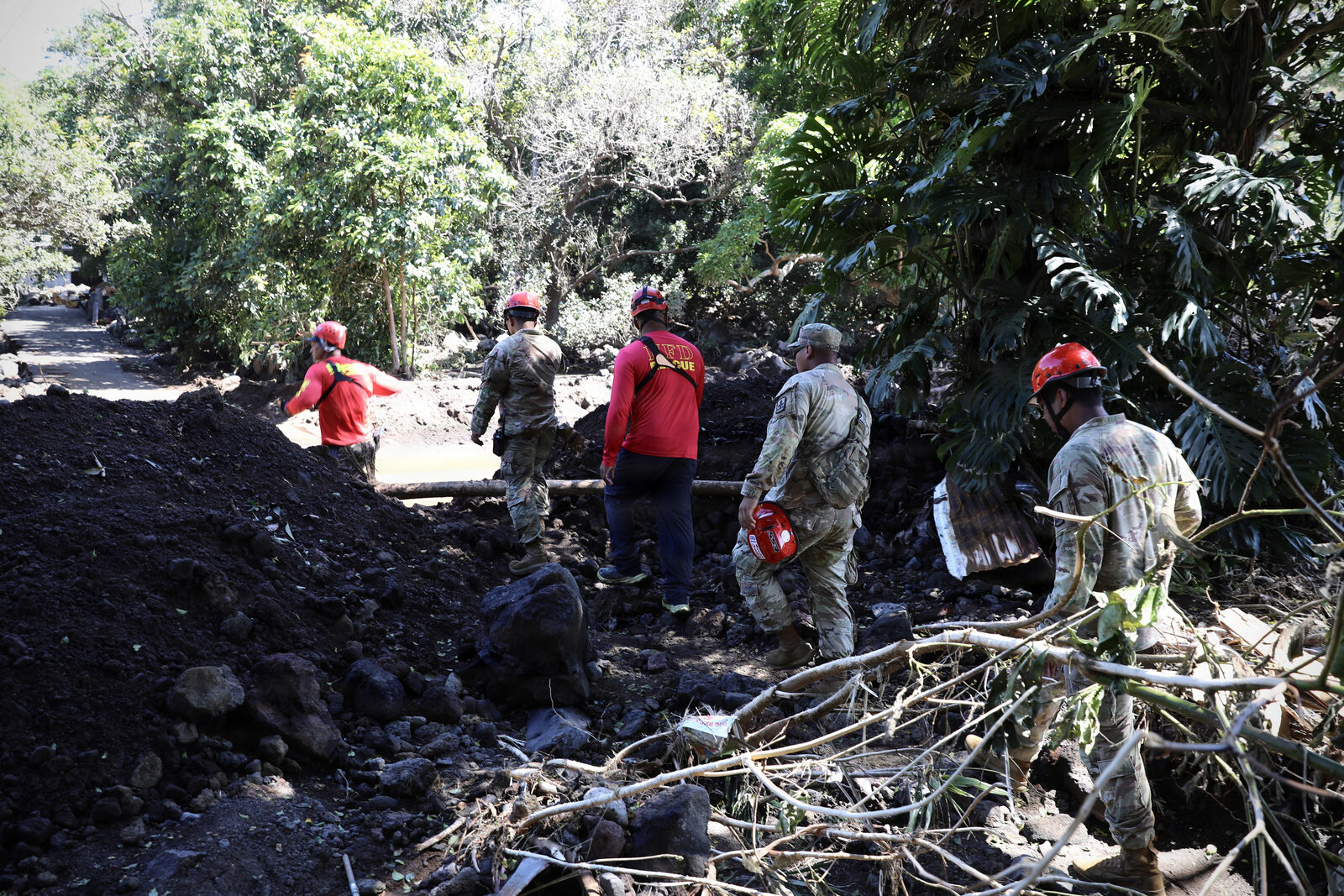
A federal judge in San Francisco ruled on Friday that the Department of Homeland Security broke the law when it directed the Federal Emergency Management Agency to cut its workforce roughly in half.
US District Judge Susan Illston found that DHS had "unlawfully usurped the authority" of FEMA to make its own personnel decisions. FEMA had projected a workforce of 11,383 people for the coming year, about half its previous level. Straight Arrow News puts the reduction at roughly 23,000 to 11,500, including at least 4,300 positions in the Cadre of On-Call Response/Recovery Employees — the temporary reservists deployed after hurricanes, floods and fires, and about 41 percent of that cadre.
The case was brought in April 2025 by a coalition of federal unions led by the American Federation of Government Employees, with the advocacy group Democracy Forward. Illston ruled on cross-motions for summary judgment in a 32-page order. The parties are to negotiate relief by 9 October, and a ruling on remedies will follow. DHS and FEMA had not commented by Saturday morning.
Two separate problems, and the second is harder to fix
The ruling rests on two findings, and it is worth keeping them apart, because they have very different futures.
The first is statutory. After Hurricane Katrina, Congress passed the Post-Katrina Emergency Management Reform Act of 2006. It made FEMA a "distinct entity" inside DHS and barred the Homeland Security Secretary from substantially or significantly reducing its authorities, responsibilities or functions. Illston found that taking personnel decisions out of FEMA's hands and halving its staff did exactly that.
The second is about the record. Agencies may change policy, but they have to explain why, and the explanation has to exist before the decision rather than after the lawsuit. Illston wrote that there was "no evidence in the record reflecting reasoned decision-making for this about-face," and that the staffing target "appears as if pulled from thin air."
A missing rationale can in principle be cured: a future plan with reasons written down might survive review. The statute cannot be cured by paperwork. A cut that substantially reduces what FEMA does is unlawful however carefully it is justified, unless Congress changes the law.
The messages that were deleted
The detail most likely to outlast the case is the one about Signal.
Officials discussed the staffing cuts in the encrypted messaging app on personal phones, and the messages were deleted. Illston said she would presume the lost communications would have shown unlawful conduct.
That presumption is not a novelty invented for this case. Courts routinely draw adverse inferences when a party destroys evidence it had a duty to keep. What is notable is where it landed: on the staffing plan of the agency whose entire operating model depends on written plans, pre-positioned before a disaster arrives, so that nobody has to improvise when it does.
A ruling does not restore a reservist
This desk reported earlier this month that saving FEMA as an organisation is not the same as keeping its capability. The agency had already lost more than a thousand CORE staff since 2024, and what a disaster agency is made of is experience that takes years to build.
That is the limit of Friday's ruling. It establishes that the cuts were unlawful. It does not return the people who left, and many of the reservists whose contracts were not renewed will have found other work. The remedies phase will decide whether positions are restored, and even a full restoration restores posts rather than people.
It also arrives in the middle of the Atlantic hurricane season, which runs until 30 November. Whatever relief is agreed in October will reach a workforce that has spent the season operating at the reduced strength the court has just found unlawful.
What to watch
The 9 October filing. Whether the government appeals the ruling is less telling than what it offers in the relief negotiation: whether it proposes to restore CORE positions, and whether it offers a staffing plan with reasons attached. The second would be an admission that the first plan needed them, and the beginning of a record a court could actually review.
The ruling by US District Judge Susan Illston of the Northern District of California on 11 September 2026; its description as a 32-page order on cross-motions for summary judgment; the quotations "unlawfully usurped the authority", "There is no evidence in the record reflecting reasoned decision-making for this about-face" and "appears as if pulled from thin air"; FEMA's projected workforce of 11,383; the finding on the use and deletion of Signal messages; the plaintiffs, a coalition of unions led by the American Federation of Government Employees together with Democracy Forward, which sued in April 2025; and the provisions of the Post-Katrina Emergency Management Reform Act of 2006 are as reported by Reuters via CNBC and The Spokesman-Review, Law&Crime, Al Jazeera and Straight Arrow News on 12 September. The figures of approximately 23,000 to 11,500 staff and at least 4,300 CORE positions, 41 percent of that cadre, and the 9 October deadline for relief negotiations are as reported by Straight Arrow News. DHS and FEMA had not commented as of Saturday morning. The analysis is our own.
Topics nationalfemafederal workforcecourtsdisaster response