David Richardson led FEMA last year and worked to eliminate it. He now says the administration has abandoned that goal — the agency, in his account, is no longer in the crosshairs.
Take that at face value. It is still a statement about whether an organisation continues to exist, and existence is the least interesting property a disaster agency has.
What a disaster agency is made of
Two things, mostly, and neither is the letterhead.
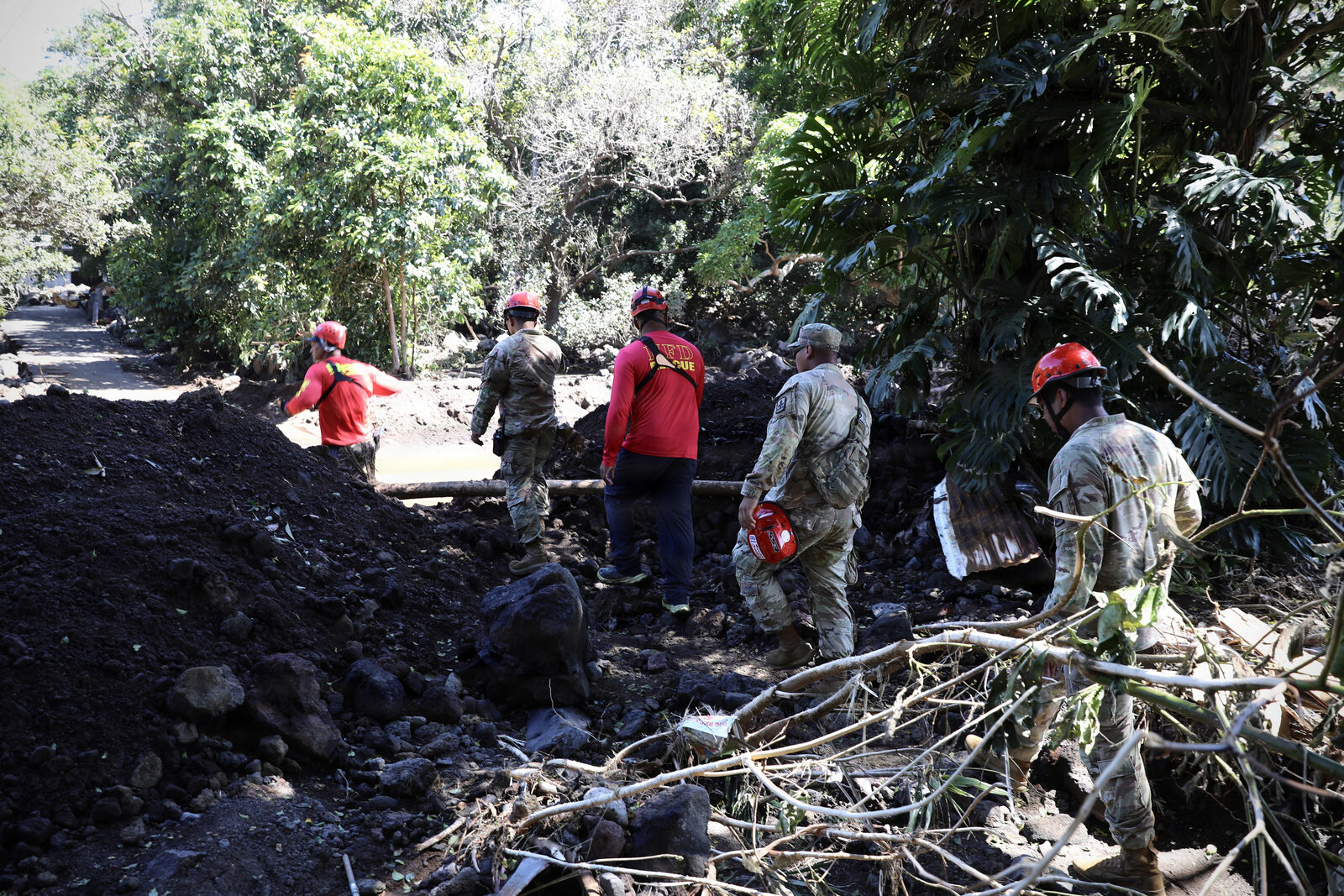
The first is people who have done it before. Disaster response is not a procedure that can be read off a manual under load; it is a coordination problem executed at speed with incomplete information, across state lines and jurisdictions, by people who know which call to make and who answers it. That knowledge is held in individuals and is rebuilt slowly.
FEMA has cut more than a thousand CORE employees since 2024 — roughly a tenth of that workforce. Some of the terminated staff sued. The agency began rehiring many of them this summer, which is genuinely better than not rehiring them, and is not the same as never having lost them. A rehired employee who spent a year elsewhere returns with their experience intact and the institution's continuity broken: the relationships, the informal knowledge of who does what in which state, the muscle memory of a season worked together.
The second is money committed before anything happens. Which brings up the part of this story that has attracted almost no attention.
The grant that reduces the next disaster
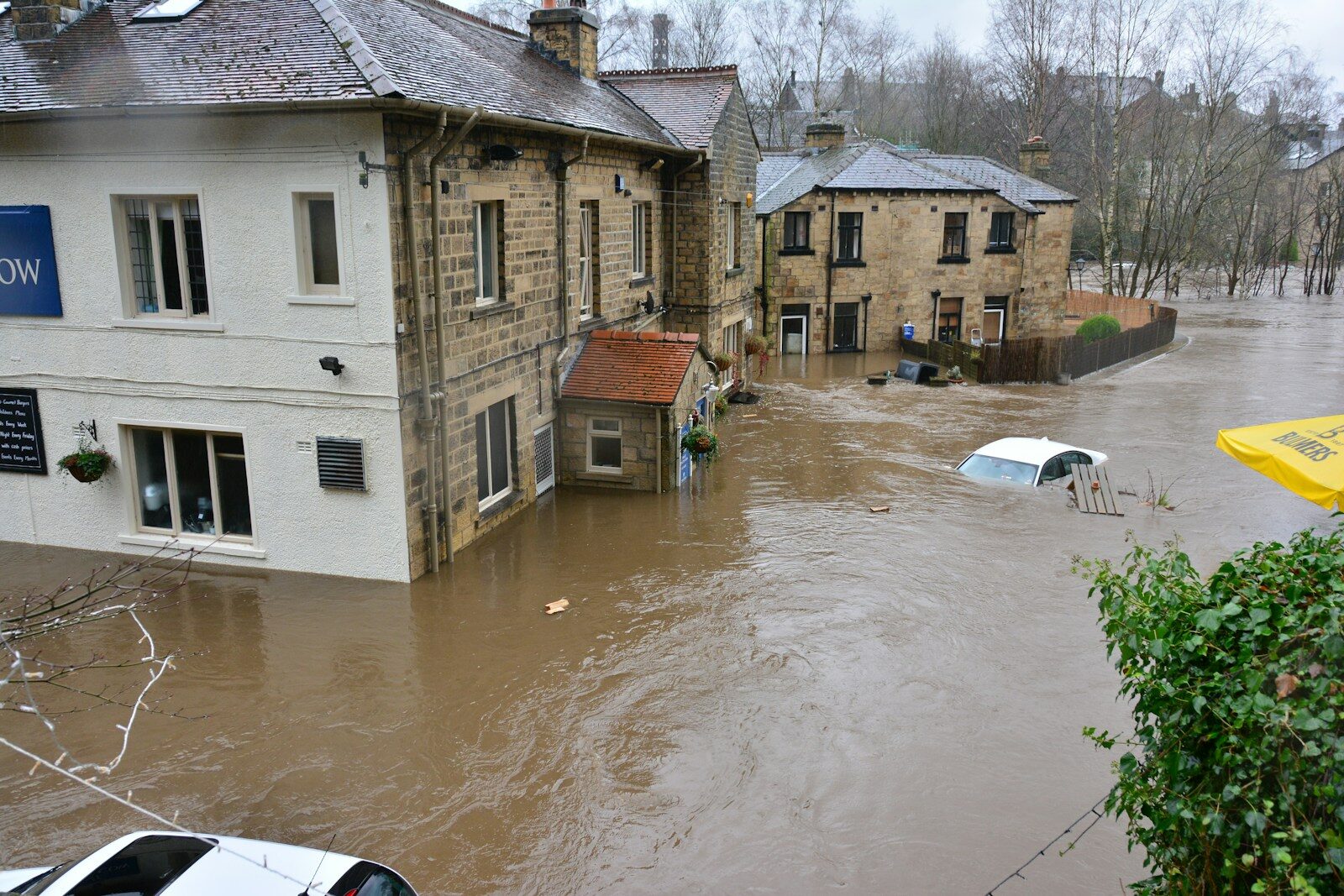
Hazard mitigation funds are the money that makes the following disaster cheaper: elevating structures, hardening infrastructure, buying out repeatedly flooded properties, improving drainage. They are authorised after a major declaration, tied to it, and spent in the years before the next event.
Those funds have gone unauthorised for almost every presidentially declared major disaster since February 2025.
Declining to authorise mitigation is not a saving. It is a deferral at an unfavourable exchange rate, because the mitigation dollar and the response dollar buy very different amounts of the same outcome. Money spent elevating a house before the flood prevents the loss. Money spent after the flood replaces part of it. The first is cheaper than the second by a wide margin in every study anyone has run, which is the entire reason the programme exists.
The cost does not disappear. It moves to states, localities, tribes and territories, and it arrives later and larger. That is a transfer of federal expenditure onto local budgets — the same budgets that, as this desk wrote yesterday, are already calling three different problems a budget gap.
Why "the agency is safe" is the wrong reassurance
Because nobody proposing to weaken a federal capability needs to abolish the agency, and abolition is a bad way to do it. Abolition requires legislation, attracts litigation, and produces a headline. Attrition requires nothing. It produces no vote, no bill and no single day on which anything visibly happened.
The three mechanisms visible in this story — staff departures, a grant programme left unauthorised, a preparedness programme that survived only because a court intervened — all reduce capability while leaving the org chart untouched. If the objective were to shrink what FEMA can do, this is what it would look like, and it would look exactly the same as a period of budget discipline and administrative churn.
That ambiguity is not evidence of intent. It is a reason to measure the capability rather than the intent, because the capability is observable and the intent is not.
What states are already doing about it
Pricing it. The federal role in disaster cost-sharing has been the live question in disaster insurance federalism for several years, and where the federal backstop looks less certain, the risk moves to markets that will quote it — which is how the catastrophe bond market ends up pricing what insurers will not write, and eventually what governments will not cover.
That repricing is quiet, it happens in reinsurance renewals rather than in hearings, and it reaches households as a premium rather than as a policy change. It is the most reliable available indicator of what the market believes about federal disaster capacity, and it does not care what anyone says about the agency's survival.
The test, and it arrives on its own schedule
Not a budget document. The next multi-state event.
The measures are the ones responders use: time from declaration to obligation of funds, time to stand up joint field offices, the share of applications resolved within the target window, and staffing against the roster the plan assumes. All of those are recorded. None of them are reported in the coverage of whether the agency exists.
A disaster agency is tested by a disaster. That is the only audit it gets, it is scheduled by the weather, and the result of the last several years of attrition will be legible for about a week before the argument moves on.
David Richardson's statement that the administration has abandoned its goal of eliminating FEMA is as reported by NPR on 3 September 2026. The loss of more than 1,000 CORE employees since 2024, approximately a tenth of that workforce, the failed court challenge to ending a major disaster-preparedness grant programme, the lawsuits by terminated temporary workers and the rehiring begun this summer are as reported by Government Executive and Federal News Network during 2025 and 2026. The non-authorisation of Hazard Mitigation Grant Program funds for almost all presidentially declared major disasters since February 2025, and its effect on future state, local, tribal and territorial costs, is as described by the Union of Concerned Scientists. The analysis is our own.
Topics nationalfemadisaster responsefederal workforcestate and local