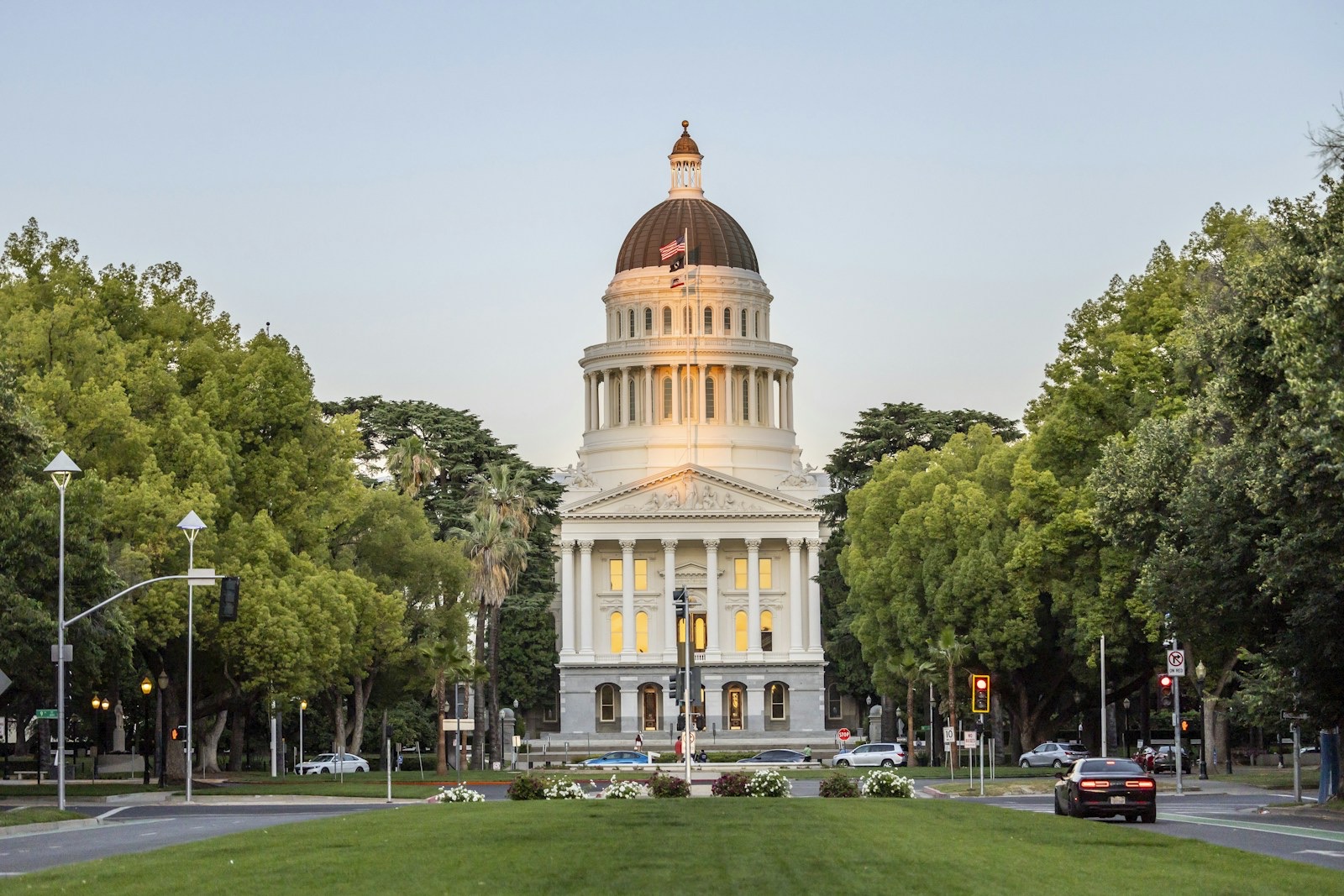
SEIU Local 1000, California's largest state-worker union, said on Thursday 8 October that 96.2 per cent of the members who voted authorised a one-day strike on Wednesday 21 October, the Sacramento Bee reported. The union represents about 100,000 public employees, almost half the state government workforce, CalMatters reported, and has never held a statewide walkout in its 44-year history.
The number is large. The denominator is missing. The union will not disclose how many members cast ballots, though it claimed record turnout, Abridged reported.
What the vote does and does not show
Voting was open only to members and ran from 9 September to 7 October, according to the union's strike-vote page. The Bee reported that 96.2 per cent is 4.2 percentage points above the union's last authorisation vote, in 2016, which by this publication's arithmetic implies a 2016 result of 92.0 per cent. That dispute ended with an eleventh-hour deal with then-Governor Jerry Brown, CalMatters said.
A share of voters measures conviction among those who took part. It does not measure how many people will stay home on 21 October. The union has not said how many workers it expects to strike or from which bargaining units. "Plans are still being developed," Local 1000 spokesperson Erica Noll told Abridged.
The union's contract campaign page says workers "are not eligible to receive pay, leave or unemployment" for a strike, and that its strike fund will "never be sufficient to replace worker wage levels." Only employees whose absence would "create an imminent and substantial threat to public health or safety" can be designated essential, it says, and those workers will be told directly.
What the union is asking for
The union wants a 20 per cent general salary increase over three years: 7 per cent in 2026, 7 per cent in 2027 and 6 per cent in 2028, Abridged reported. It also wants the state to pay more toward health coverage and to adopt telework policies "based on operational needs." The Bee reported that the union also proposed stipends for employees working in person, and that the state rejected both the raise and the stipends.
Those raises add to 20 per cent. They compound to about 21.4 per cent. The last three-year contract gave three successive 3 per cent raises plus some special salary adjustments, CalMatters said, which compound to about 9.3 per cent before the adjustments. By this publication's arithmetic, the current ask is more than double the last deal's across-the-board raises.
The last deal also did not pay out as written. CalMatters reported that the Newsom administration withheld a conditional 1 per cent raise for 2025, that unions agreed in June 2025 to temporary pay reductions that largely negated the promised raise, and that a raise due on 1 July was delayed until next summer. Workers received extra days off instead, which they can cash out later.
The union says the state can afford more. It points to a $20 billion increase in general fund spending over the past two years, CalMatters said. Union president Anica Walls told CalMatters: "Realistically we are less than 3% of the budget." That is the union's claim, and we have not verified it. Pay for a workforce this size is the kind of fixed cost that competes with pensions and everything else in a state budget.
The state's own wage offer has not been made public in any source we reviewed.
Who stalled the talks
The two sides disagree about that, and the disagreement is the legal basis for the strike. The union is calling an unfair practice strike, not an economic one. It says the state rejected nine of 16 economic proposals on 30 June, the day the contract expired, according to the Bee. The union filed an unfair practice charge on 22 July, and another on 9 October, according to its contract page.
On 29 September the Public Employment Relations Board issued a complaint over the state's bargaining, the union says. CalMatters reported that the board sided with the union in late September, concluding that CalHR, the state's labour-relations agency, "refused to meet and confer in good faith." A complaint sends a charge forward to a hearing; it is not the end of the case. That is our reading, not either side's account.
CalHR told the board that SEIU, "not the state," is "responsible for the lack of negotiations since July 29, 2026," the Bee reported on 3 October. The agency said the union would not return unless the state moved away from Governor Gavin Newsom's four-day-per-week in-office mandate. Chief negotiator Bobby Roy said in early September that the union would return for a "meaningful proposal" covering more than telework, including pay, according to the Bee.
The board declared an impasse on Friday 2 October, at the union's request, which brings in a third-party mediator. "The decision today sends the parties back to the table to mediate," CalHR spokesperson Angela Musallam told the Bee. In an email to CalMatters, she said the state "has been, and remains open to negotiation, and is prepared to move into mediation."
What happens next
No mediator has been named and no session date announced in anything we found. CalHR has also not said publicly whether it will contest the strike or how it would staff services. Walls told CalMatters that the DMV and the state's unemployment and disability insurance offices could see delays.
The politics make the timing awkward for both sides. Newsom vetoed a bill to loosen work-from-home rules for state workers on 18 September, according to CalMatters, and he leaves office in January. The union says it will not wait for his successor. "Administrations change, but our demands won't," Walls told CalMatters. The same fight over office attendance is running in private employers, but few of them face a union of 100,000 over it.
Whatever this union settles for on raises and telework becomes the benchmark for the rest of the state's workforce, since it covers almost half of it. The first test comes sooner. Watch whether a mediator is seated before 21 October, and whether CalHR puts a wage number on the table or the union drops the telework precondition.
The 96.2 per cent figure, the 2016 comparison, the nine of 16 rejected proposals, the stipend proposal and Bobby Roy's early-September position come from the Sacramento Bee (Corey Schmidt, 8 October 2026, via Yahoo News). The 2 October impasse declaration, the CalHR filing's "since July 29" language, the four-day in-office mandate and Angela Musallam's "sends the parties back to the table" remark come from the Sacramento Bee (3 October 2026, via Yahoo News). Membership, the 44-year history, the 2016 deal, the last contract's terms, the $20 billion claim, the Anica Walls quotes on the budget, services and administrations, PERB's good-faith finding and Musallam's emailed statement come from CalMatters (8 October 2026). The 7, 7 and 6 per cent ask, the undisclosed turnout and the Erica Noll quote come from Abridged (8 October 2026). The voting window, members-only voting, strike-pay, essential-employee rules, the 22 July and 9 October charges and the 29 September PERB complaint come from SEIU Local 1000's own strike-vote and contract pages (accessed 12 October 2026). The 92.0, 21.4 and 9.3 per cent figures are this publication's arithmetic. CalHR's wage offer and a mediation date were not in any source we found. The analysis is our own.
Topics nationalCalifornia