The most consequential line in many state budgets is one that no legislator debates, because it was determined by an actuarial schedule rather than a vote. Required pension contributions arrive as a fixed obligation, and they have been growing faster than the revenue base that funds them.
The result is a form of fiscal crowding out that produces no headline. There is no pension crisis in most states, in the sense of benefits going unpaid. There is instead a slow reallocation, in which the discretionary portion of the general fund absorbs the growth in the non-discretionary portion, and the visible services funded from that discretionary portion get quietly thinner.
Where the squeeze actually lands
The squeeze does not distribute evenly. Debt service and pension contributions are contractual. Medicaid is formula-driven and countercyclical. K-12 formulas are politically defended and often constitutionally protected. What remains after those claims is the part of the budget legislators actually control, and it is where the adjustment happens: deferred maintenance on state facilities, hiring freezes at agencies that were already thin, higher education appropriations that shift cost onto tuition.
This is why the effects are hard to attribute. A resident experiences a longer wait at a licensing office, a state park with reduced hours, a university that costs more than it did. None of those is legible as a pension outcome, and each has a local explanation available.
Several states have taken the obvious structural steps, moving new hires to hybrid or defined-contribution plans and adjusting assumed rates of return closer to defensible. Both help, and both help slowly. Plan design changes affect the workforce being hired now, while the obligation being funded belongs to a workforce hired decades ago. The gap between when a reform is enacted and when it relieves a budget is measured in careers.
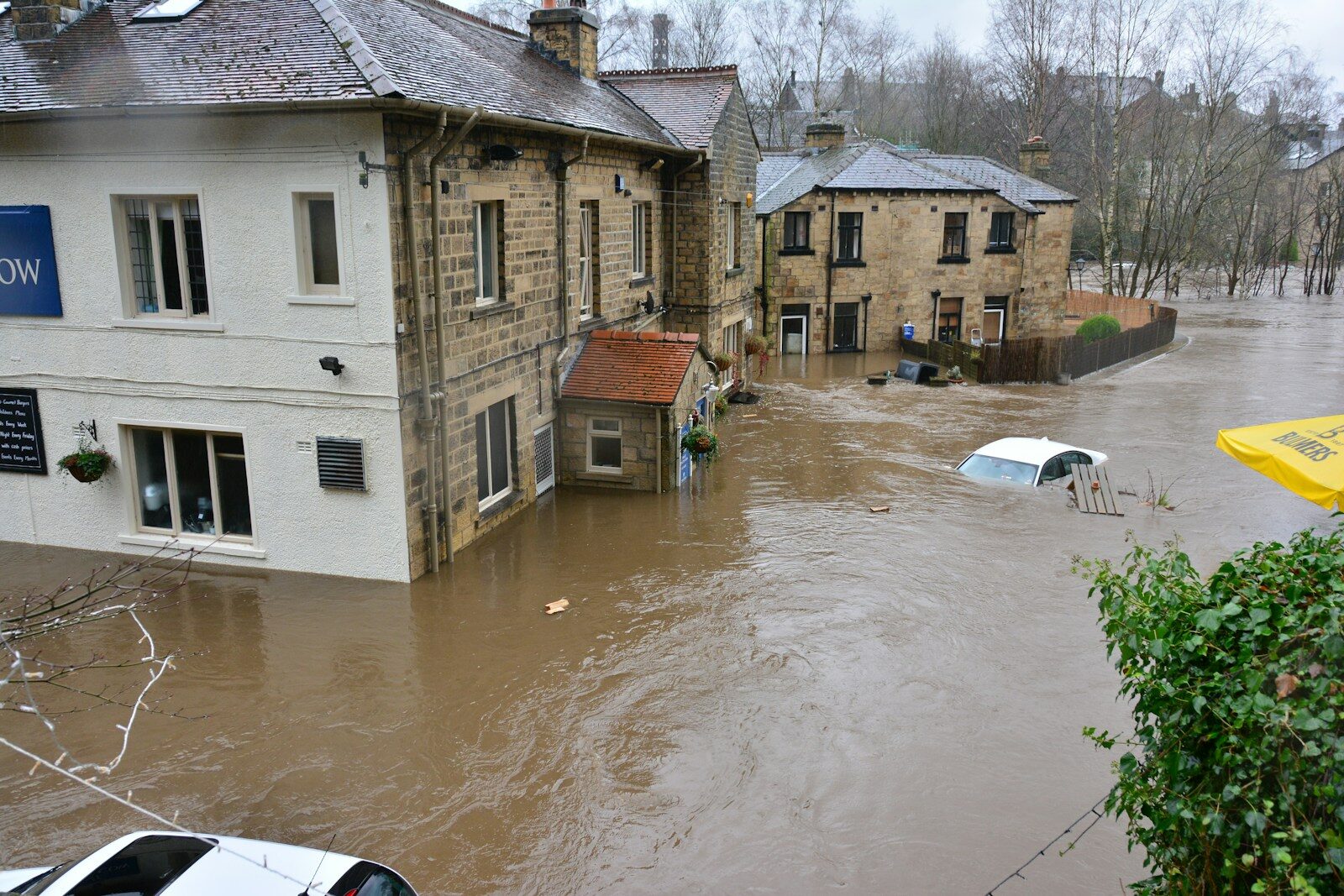
Meanwhile the same general funds are absorbing new pressures with the same structural quality. Disaster response costs have been migrating toward states as federal cost-sharing formulas shift. Deferred infrastructure obligations, including the replacement cycle now arriving at small water systems, compete for the same residual dollars. The same squeeze is reaching school districts one level down, where enrollment has fallen while buildings, routes and retirement obligations have not. States that have leaned on municipal bond markets to smooth capital needs are finding that ratings agencies read pension funding ratios closely.
There is a narrower and more useful conversation available than the one usually held. It is not whether public pensions should exist, which is settled, or whether they are underfunded, which varies enormously by state. It is whether a state's contribution schedule is realistic enough that it will not be revised upward again in five years, because a schedule that gets reset repeatedly is not a plan. It is a deferral with better paperwork.
The states in the strongest position share an unglamorous trait: they made their contributions in the years when doing so was optional and the surplus could have funded something visible. That discipline bought them a general fund that still has room in it. The rest are discovering that the room was spent long ago, by people who are no longer in office.
The same general fund is absorbing an election apparatus that now runs all year: running an election costs more than it did.
Topics nationalpublic finance