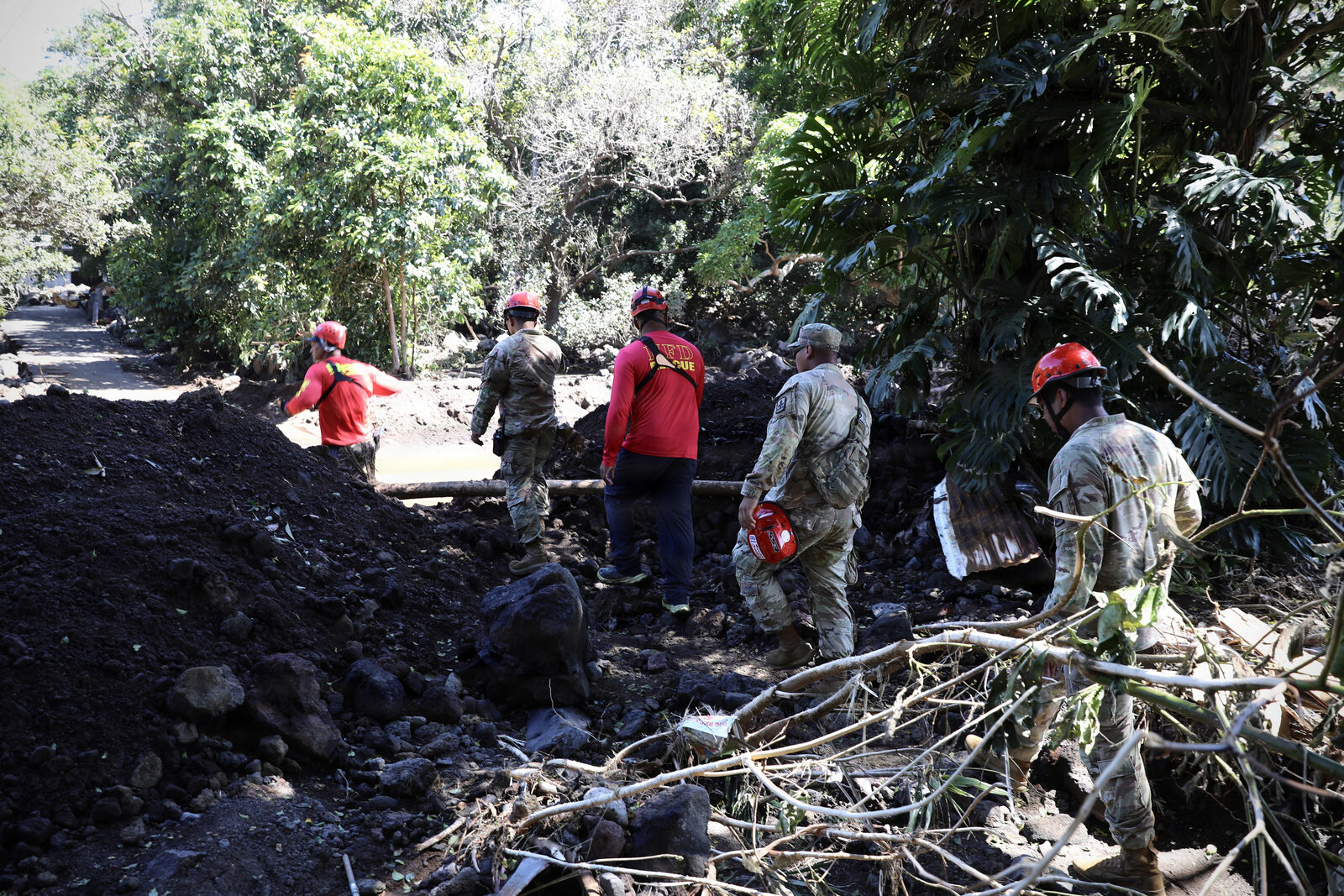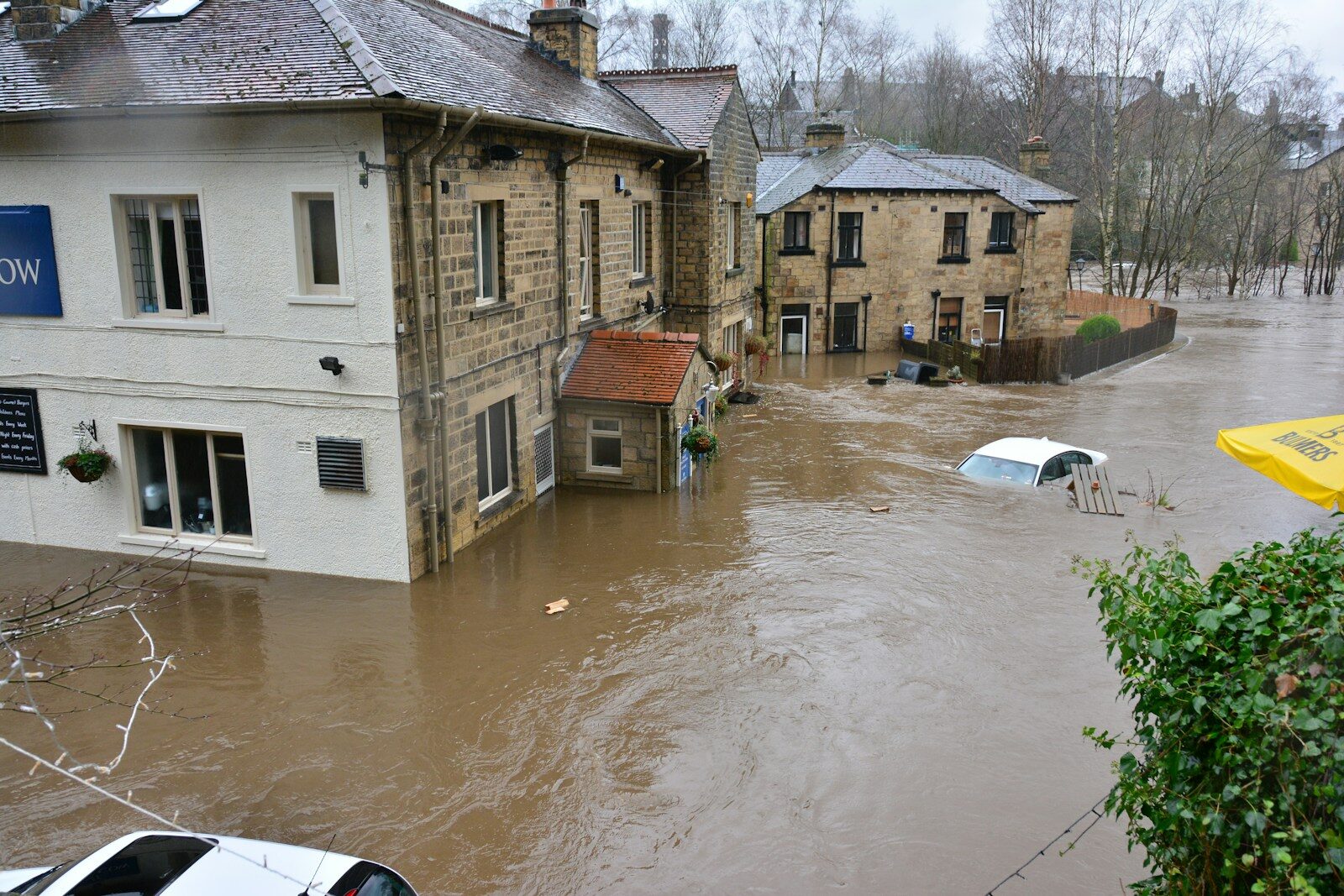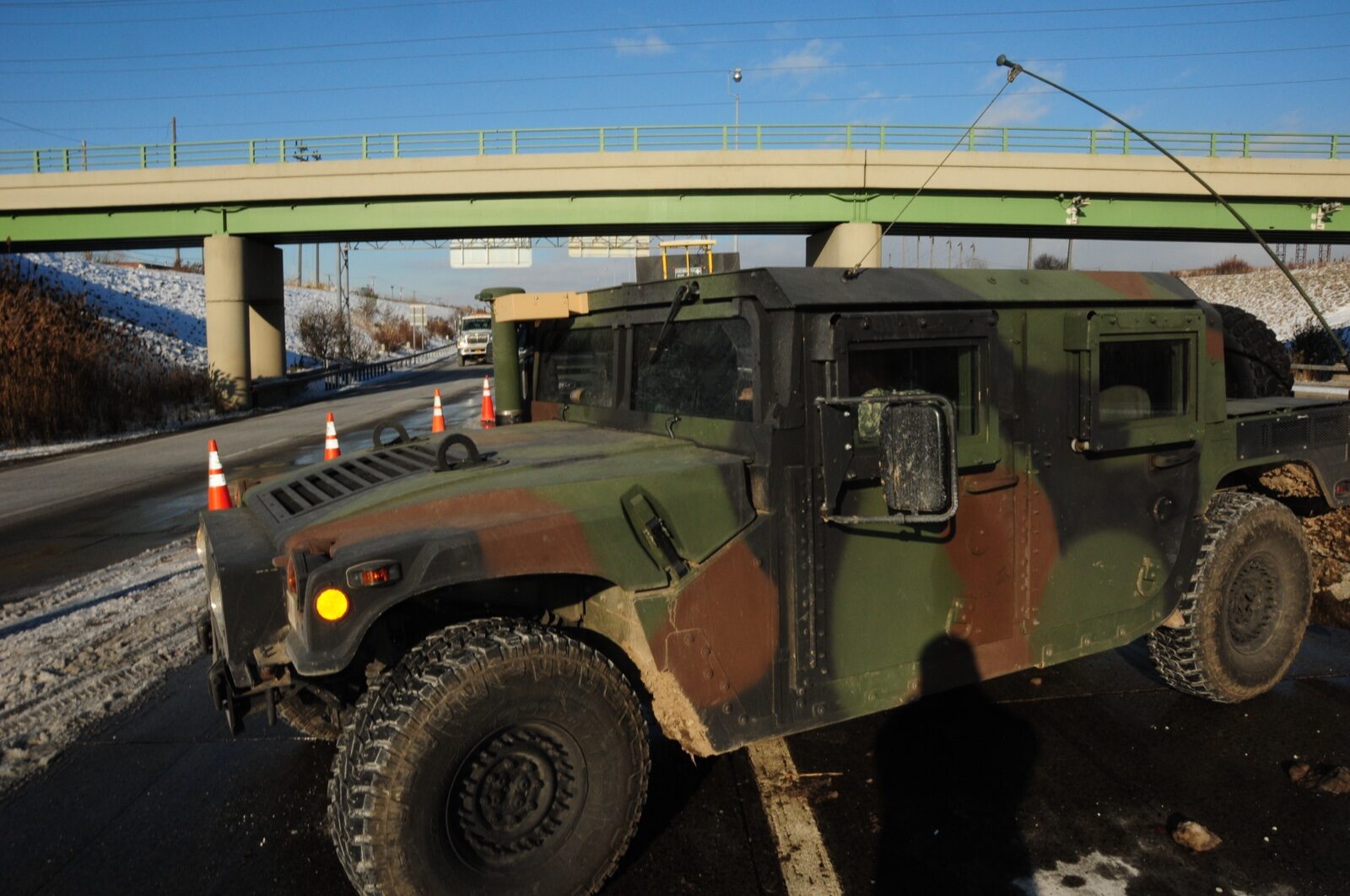
Massachusetts asked for a major disaster declaration in April, covering a February blizzard that dropped up to thirty-seven inches of snow and left around 290,000 households without power. The claim was about $45m in eligible costs across six counties. It was denied in July. The appeal was denied on Thursday.
The reason given is worth quoting because it is a policy, not a finding. FEMA administrator Cameron Hamilton said winter weather is not new to the Northeast, and that federal disaster aid is not a backstop for routine state and local budgeting.
Take the principle seriously first
That sentence contains a real argument, and dismissing it because of who said it would be lazy.
Federal disaster assistance exists for events that exceed what a state can reasonably absorb. If a state gets heavy snow most winters, snow removal and storm response are foreseeable operating costs, and a state that declines to fund them and then asks Washington to cover the overrun is, in effect, running its emergency budget on a federal option it did not pay for. Over time that produces exactly the behaviour the objection describes: chronic under-budgeting at the state level, backstopped nationally.
There is a version of this policy that is coherent and defensible. Set a standard — foreseeable weather within a state's historical range is a state cost, above which federal aid attaches — publish it, and apply it going forward.
What is actually happening is different
The Stafford Act framework has criteria. They turn on damage relative to population, the state's demonstrated capability, the concentration of impact, and insurance coverage. They are imperfect and much criticised, and they are known in advance, which is their central virtue: a governor can look at a storm and form a reasonable expectation.
What has replaced that expectation is a judgement about whether the weather was surprising. That is a new standard, it is not published anywhere, and it is being announced through individual denials of specific requests, months after the events they concern.
Massachusetts incurred those costs in February. It could not have budgeted differently in February for a rule stated in September, and the counties that cleared the roads had no option to leave them uncleared pending clarification.
Where the money goes instead
Not away. Down.
Forty-five million dollars does not evaporate because Washington declines it. It lands on the state, and beneath the state on the six counties named in the request — Barnstable, Bristol, Dukes, Nantucket, Norfolk, Plymouth — several of which are island or coastal jurisdictions with small tax bases and a high per-capita exposure to exactly this weather.
This is the same movement this desk described on Thursday, when FEMA's hazard mitigation grants went unauthorised for almost every major declaration since February 2025: a federal cost is not eliminated, it is relocated to budgets that are already, as we wrote on Wednesday, calling three different problems a budget gap.
And it will be priced. The federal role in disaster cost-sharing is the live question in disaster insurance federalism, and where the federal backstop becomes less predictable, the risk moves to markets that will quote it — reaching households as a premium rather than as a policy change.
The part that needs stating carefully
The reporting notes that New York, New Jersey and Rhode Island received similar denials in July, while nine Republican-leaning states had aid approved. It also reports that the President apparently overruled assessments from regional NOAA and FEMA field offices.
We are not in a position to establish motive, and a pattern in a small number of decisions is not proof of one. What can be said without any claim about intent is narrower and sufficient: a criteria-based system exists precisely so that this question cannot be asked. When eligibility turns on published thresholds, an approval and a denial are both explicable without reference to who governs the state. When it turns on an unpublished judgement about whether weather was routine, every decision invites the inference, including the correct ones.
That is a cost borne by the administrator too. Hamilton's stated principle may be right. Delivered this way, it cannot be distinguished from something else, and he has no way to demonstrate the difference.
The fix is dull and available
Publish the standard. If foreseeability is now a criterion, define it — a snowfall exceeding the state's historical distribution by some margin, a cost threshold relative to state revenue, something a budget office can model.
Then apply it to storms that happen after the date it was published.
Every state would then know what it must self-insure and could budget accordingly, which is the outcome the stated principle actually wants. The current approach produces the opposite: states cannot plan, so they will lobby instead, and the decisions will keep being made one at a time in a way that looks like whatever anyone already believes.
The February 2026 blizzard's snowfall of up to 37 inches and the loss of power to about 290,000 households; the approximately $45m in claimed eligible costs; the six affected counties; the April request, July denial and 4 September denial of the appeal; the quoted remarks of FEMA administrator Cameron Hamilton; the report that President Trump apparently overruled assessments by regional NOAA and FEMA field offices; the quoted response of Governor Maura Healey; and the similar July denials to New York, New Jersey and Rhode Island alongside approvals for nine Republican-leaning states are as reported by Boston.com on 4 September 2026. The FEMA staffing and hazard mitigation figures referred to here are from this publication's reporting of 3 September 2026. The analysis is our own.
Topics nationalfemadisaster responsestate and localpublic finance