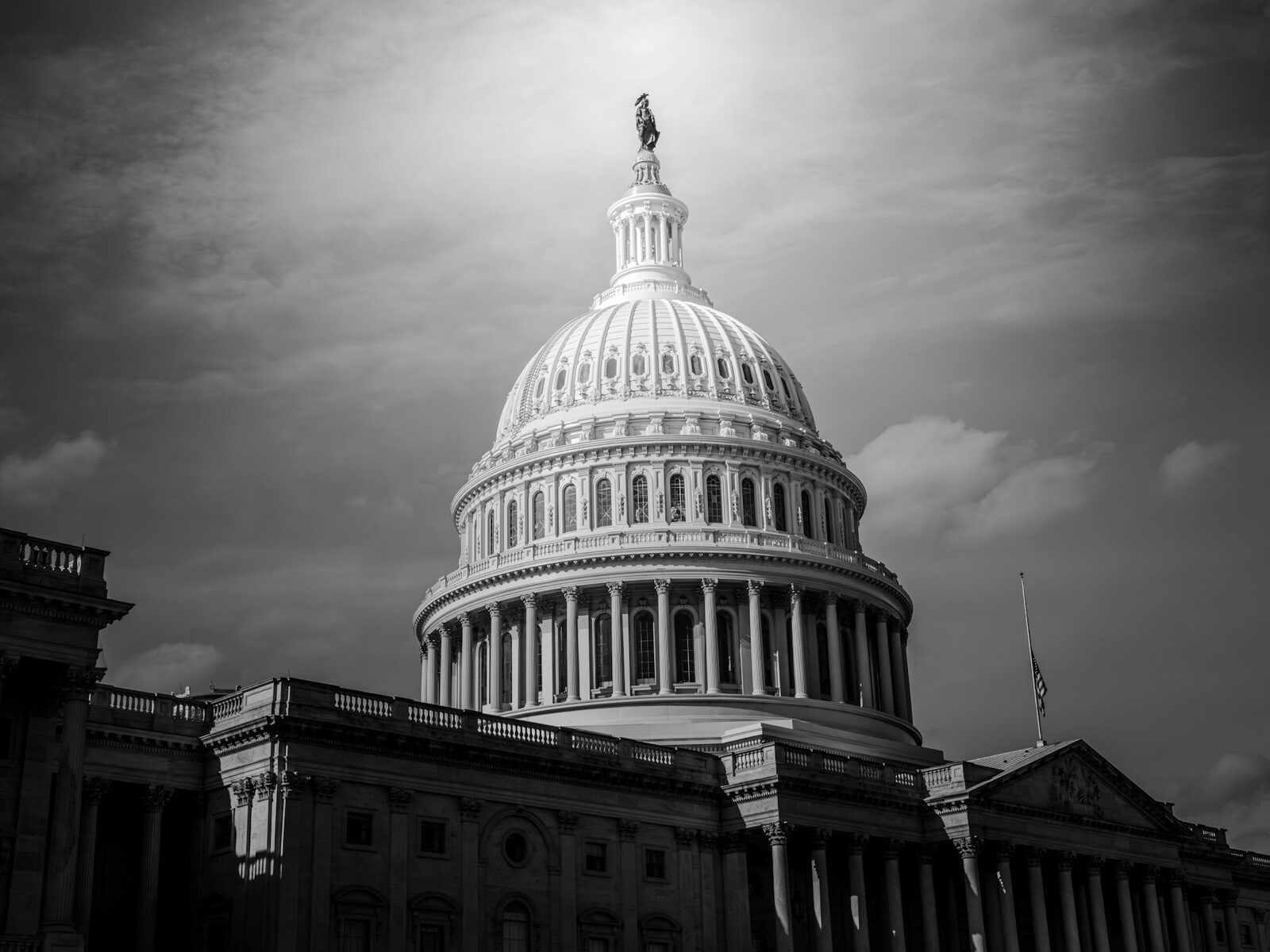
The Senate voted 77 to 22 on Thursday to begin debating a bill that would rewrite the rules of college athletics. An hour later it voted 49 to 47 to end debate on a district judgeship.
Neither number is surprising on its own. Together they are a fair description of what the chamber can and cannot still do.
Three votes, one bill, and why that is not a delay
On Monday the Senate invoked cloture on the motion to proceed to the Protect College Sports Act, 74 to 24. On Thursday it adopted the motion to proceed, 77 to 22.
Those look like the same vote twice. They are not. The first ended debate on the question of whether to take the bill up; the second actually took it up. Only now does the bill itself become the pending business, with its own debate, its own amendments and its own cloture fight ahead of it.
That is the ordinary shape of Senate consideration, and it is why a measure with 77 supporters is still weeks from passage. The chamber has agreed to argue about it, not to pass it.
What the bill does, and one thing it does not
As introduced, S.4668 establishes a federal right for athletes to earn money from their name, image and likeness, and bars institutions from restricting it. It caps agent fees at 5 percent of an endorsement contract. It requires scholarship protection that survives injury, five-year post-eligibility medical coverage and catastrophic insurance, and it creates a private right of action for athletes.
It also grants the associations something they have wanted for a decade: a shield declaring that enforcing several of the new provisions "shall not be unlawful under the antitrust laws."
The bill is deliberately silent on whether athletes are employees. And on the point most often attributed to it — that a national framework would supersede the patchwork of state statutes — the introduced text contains no express preemption clause. Section 121 addresses the relationship to existing law without displacing it.
The judgeship, and the two-hour clock
The Mitchell nomination cleared cloture 49 to 47. Under the Senate's reinterpretation of Rule XXII on 3 April 2019, post-cloture consideration of a district judgeship is capped at two hours rather than thirty, which is why a confirmation vote could be scheduled for the same afternoon.
The threshold is a simple majority, a consequence of the November 2013 reinterpretation of the same rule. Thirty hours still applies to circuit judges, to the Supreme Court and to twenty-one senior executive posts.
So a lifetime appointment now takes a bare majority and an afternoon, while a sports statute takes three separate votes and the assent of three-quarters of the chamber. This desk has noted the same asymmetry from the other direction: the House has now voted three times on the Iran war, and the arithmetic has not moved.
The antitrust shield is the part the associations wanted
Buried in the bill is the provision that explains why the governing bodies stopped resisting a federal statute: enforcement of several of its new requirements "shall not be unlawful under the antitrust laws."
That matters because the last decade of change in college sports was not legislated. It was litigated, and the associations lost repeatedly. A statutory shield converts rules that were vulnerable in court into rules that are not, provided the associations write implementing rules the exemption requires.
Title II goes further still, amending the Sports Broadcasting Act so schools can negotiate media rights collectively in the manner of a professional league, requiring market-level broadcast access for football and basketball, and prohibiting certain conference mergers.
Read together, the bill gives athletes enforceable individual rights and gives the institutions collective bargaining power over television. Whether that is a fair trade is the debate the chamber has just voted, three-quarters to one, to begin having.
What to watch
The amendment votes on S.4668, and specifically whether anyone offers a preemption clause. If one is added, the bill becomes the national standard its sponsors describe. If not, schools face federal requirements and state requirements at once, and the litigation over which governs starts the day it is signed.
On the judicial side, the confirmed total rather than any single vote. Two hours per district judge is the rate limit that now governs how fast a president can fill a bench.
Roll call votes 235 (74-24, cloture on the motion to proceed, 15 September), 236 (77-22, motion to proceed, 17 September) and 237 (49-47, cloture on the Mitchell nomination, 17 September), and the rejection of cloture on the motion to proceed to H.R. 3633 by 49-50 on 15 September, are from the Senate's own roll call vote records for the 119th Congress, second session. The schedule and timings are from the Senate Democratic leadership schedule for 17 September 2026. The description of the bill's provisions is drawn from the text of S.4668 as introduced and from the Senate Commerce Committee's release of 15 September 2026. The post-cloture time limits are as set out in Congressional Research Service report RL31980. The analysis is our own.
Topics national