The Nasdaq Composite closed at 27,477.31 on October 5, an all-time high. The S&P 500 followed with its own record on October 6, closing at 7,819, its first record since mid-August and its first close above 7,800 ever, CNN reported. The Nasdaq is up 2.75 percent in October alone, with back-to-back record closes to start the week.
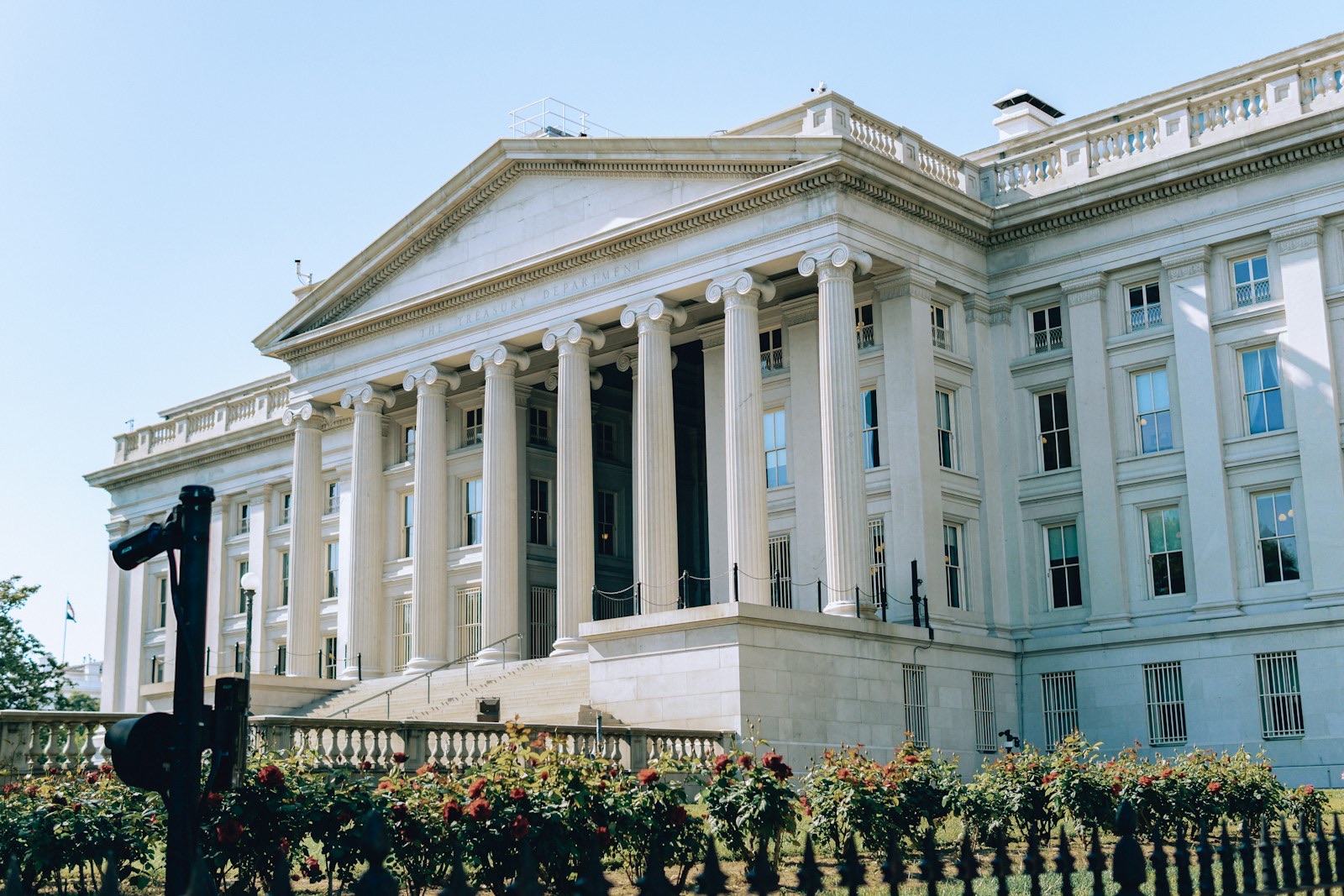
All of this happened while the 30-year Treasury yield hit 5.661 percent, its highest level since 2002. Conventional market wisdom says rising long-term rates punish stock valuations. The market's response this week was to set records anyway, powered by falling oil prices and relentless buying in large-cap technology, according to Summa Money's market recap. Nvidia touched a record high of its own, nearing a $6 trillion market capitalization.
The Narrowing Beneath the Records
Records make headlines. Breadth makes rallies last. And breadth is deteriorating.
Only about 40 percent of S&P 500 members sat above their 200-day moving average by midweek, down from 46 percent, before recovering slightly to 42 percent by Friday's close. New 52-week lows outnumbered new highs in every session of the week, Cannon Trading's weekly review noted. When the index makes records while most of its components make lows, the rally is being carried by a shrinking handful of names.
The credit market is telling a similar story. The ICE BofA high-yield spread widened for seven consecutive sessions, from 2.80 percent to 3.12 percent, a 39-basis-point move in a single week, with equities sitting within 2 percent of an all-time high. Credit spreads widen when lenders demand more compensation for risk. They do not usually widen into genuine all-clear environments.
Goldman Sachs' Tony Pasquariello, one of Wall Street's most-watched market voices, cut his stance from crowded-long to cautious, calling the bond market the number one clear and present danger for stocks. His colleague Ben Snider raised Goldman's 12-month S&P target to 8,700 in the same week, a split that captures the moment: the destination may be higher, but the path runs through the bond market's objections.
What the Divergence Means
There are two ways to read a market that sets records on narrowing breadth. The generous reading is rotation: megacap tech earnings are so strong that they drag the capitalization-weighted indexes higher while the rest of the market consolidates, and breadth will catch up. Accenture's 21.4 percent single-day jump on record bookings, its best day ever, suggests genuine enterprise demand is still broadening in places.
The less generous reading is exhaustion. Liquidity flipped from adding to draining midweek, falling about $52 billion to $5.75 trillion as Treasury cash balances built into quarter-end. Bond volatility, measured by the MOVE index near 107, stayed elevated while the VIX sat calmly in the mid-teens. When bonds are stressed and stocks are serene, one of them is wrong, and it is usually not the bonds.
For now, the AI trade remains the market's engine, and engines do not stop until they run out of fuel or overheat. The 30-year yield at 2002 levels is heat. Narrowing breadth is friction. Record indexes are the speedometer. Drivers should watch all three gauges, not just the one pointing up.
The Federal Reserve's posture adds another layer of uncertainty. The central bank raised its benchmark rate to the 3.75 to 4.00 percent range, its first hike in three years, and flagged further increases ahead. But New York Fed President John Williams then said he saw no urgency for additional moves, and markets cut October hike odds from 70 percent to around 35 percent, as reported in late September. Core PCE inflation came in at 3.0 percent against 3.3 percent expected, cool enough to pause but not cool enough to cut. The Fed is threading a needle while wearing oven mitts.
Meanwhile the consumer, who accounts for more than two-thirds of economic activity, keeps spending. Personal consumption surged 0.9 percent in August, with the saving rate falling to 4.1 percent as households covered the gap from savings, even with the 30-year mortgage at 7.6 percent. Consumer confidence sits near a 12-year low, yet spending has not cracked. That disconnect cannot last forever. When it resolves, the direction of the resolution will decide whether these records were a beginning or a top.
Topics marketsstocksbondseconomy