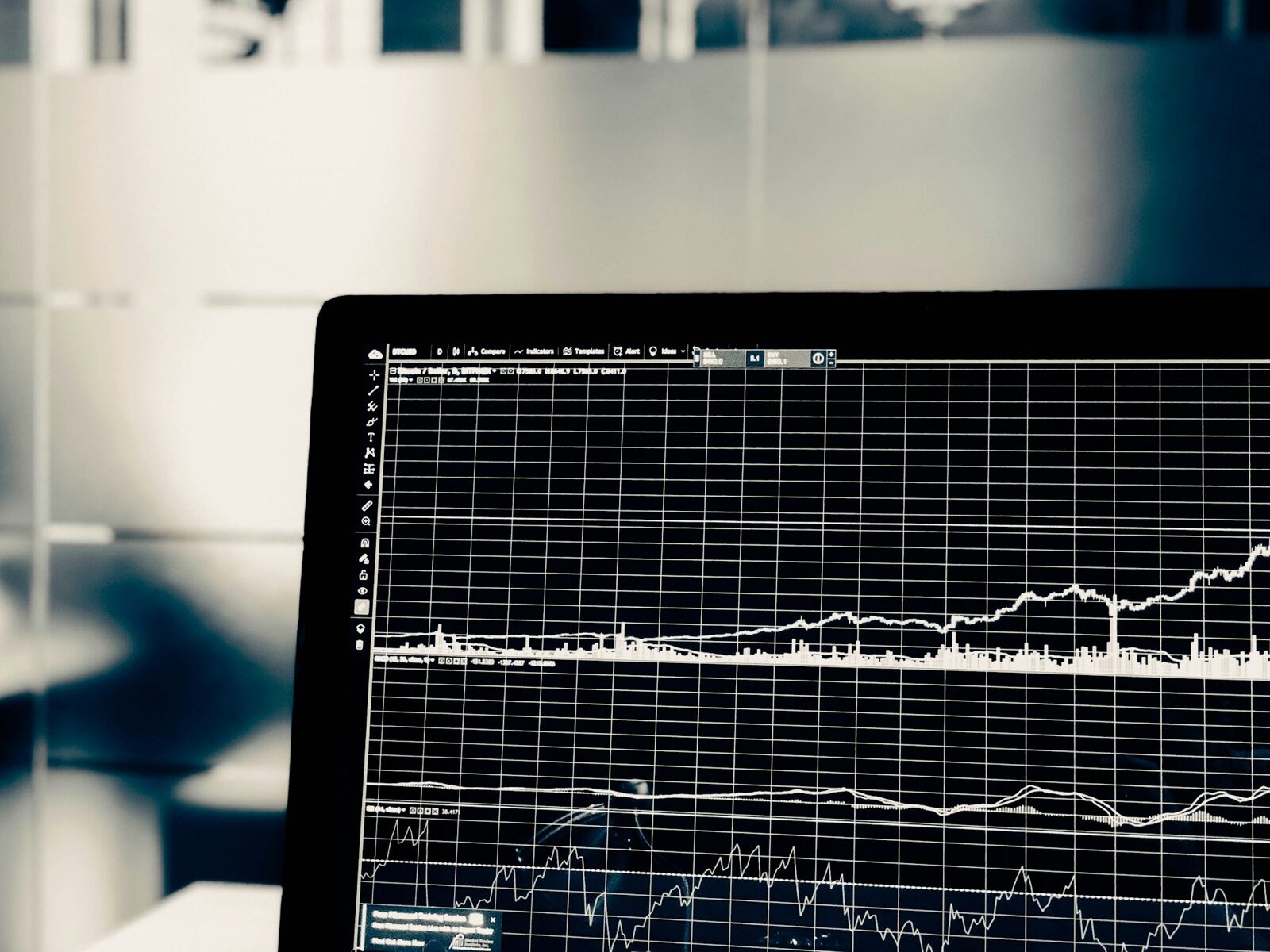
The ten-year Treasury note settled at 5 percent on Tuesday, the highest it has been since 2007, after eight straight sessions of rising yields.
On Wednesday it fell. Equity futures rose, Brent crude gave up about 5 percent from the previous session to around $105.75, and gold dropped $35.20 to $4,352.30.
The Federal Reserve had raised rates the day before, for the first time since 2023. On the textbook account, that should have made every risk asset cheaper and every yield higher. The market did the opposite.
What a falling long yield after a hike actually means
A ten-year yield is not a Fed decision. It is roughly the average overnight rate investors expect across ten years, plus compensation for the risk of being wrong about inflation.
Raising the overnight rate today lifts the first part slightly. It can lower the second part a great deal. If a committee demonstrates it will tighten into a supply shock — the hardest case, because the shock raises prices while slowing growth — the premium investors demand for holding a decade of inflation risk falls.
That is what happened. The short rate went up and the long rate came down, which is the market saying it now expects lower inflation rather than higher rates.
The oil price did half the work
Brent falling roughly 5 percent in a session matters as much as anything the committee said.
The reason a hike into an oil shock was contentious is that monetary policy cannot produce a barrel of crude. The Fed can suppress demand for everything else until the average price index behaves, which is a blunt and costly way to offset a supply problem.
An oil price that falls on its own removes the hardest part of that argument. It also removes the strongest case against tightening further, which is why the two moved together: cheaper crude made Wednesday's rally about credibility rather than about growth.
The plumbing, which is where the decision becomes real
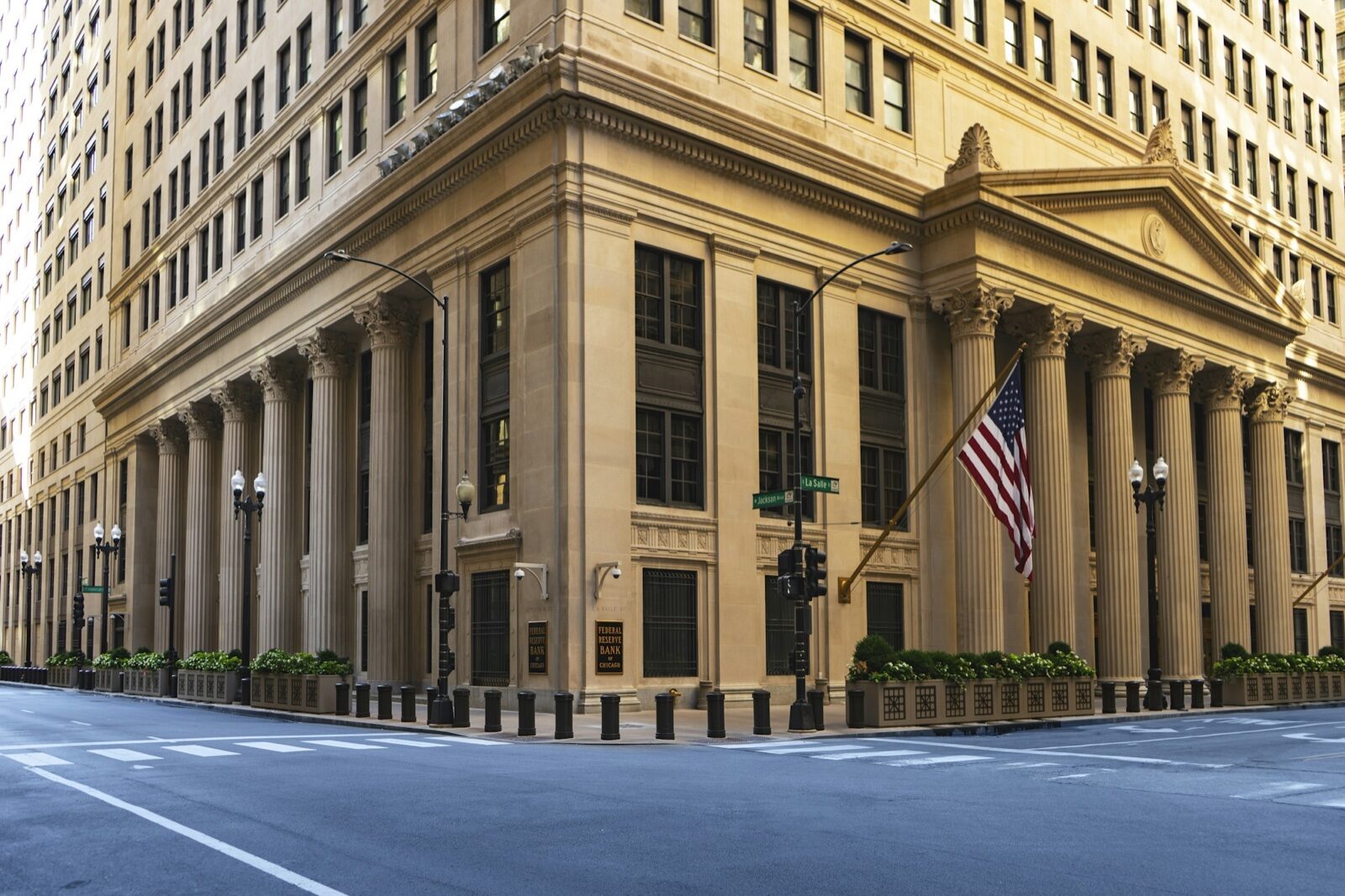
The committee's statement sets a target. The implementation note is what makes the target bind, and Tuesday's raised the interest paid on reserve balances to 3.90 percent, effective today.
The primary credit rate went to 4.0 percent — requested, the note records, by the boards of directors of seven of the twelve Reserve Banks. The standing reverse repo facility continues to offer 3.75 percent with a per-counterparty limit of $160 billion a day.
Those three numbers, not the announcement, are the mechanism. They set the floor beneath the overnight market, the ceiling above it, and the escape valve for institutions that cannot use either.
What the committee said it intends to do next
The median projection shows two increases this year, meaning one more after Tuesday's, no change in 2027, and one cut in each of 2028 and 2029. Chair Kevin Warsh was blunter than the projections: "the plain fact is that inflation is too high and has been for too long."
That is the sentence the bond market bought. A committee that says inflation is too high while raising into a supply shock is describing a reaction function, and a reaction function is worth more to a ten-year holder than any single decision.
The short end barely moved, which is the tell
The two-year note sat at 4.71 percent, a couple of basis points lower on the day. That is the maturity most tightly bound to what the committee will actually do over the next eight quarters, and it did almost nothing.
A market that expected a policy error would have sold the short end hard. A market that expected panic would have bought it hard. Instead the curve did the narrow, unglamorous thing: it held the front, eased the back, and compressed the premium between them.
That shape is the difference between a committee being doubted and a committee being believed. It is also fragile in a specific way — it prices a path, and a path can be abandoned at any one of the four meetings between now and the middle of next year.
What to watch
Whether the long end stays down. A falling ten-year yield after a hike is a vote of confidence that can be withdrawn: one bad inflation print and the premium comes straight back, at which point the same policy looks insufficient rather than credible.
Then the December meeting, where the remaining increase in the projections either arrives or quietly does not. The gap between a dot plot and a decision is where this year's credibility was earned, and it is where it can be spent.
The 16 September closing levels for the S&P 500 (7,551.81), Nasdaq Composite (25,978.43) and Dow (51,461.90), the 17 September futures moves, the ten-year yield at 5 percent, the WTI settlement of $100.78 and Brent near $105.75, and the gold move to $4,352.30 are as reported in market summaries published on 17 September 2026 by Investrade and Tickmill. The interest rate on reserve balances of 3.90 percent, the primary credit rate of 4.0 percent, the overnight reverse repurchase offering rate of 3.75 percent with a per-counterparty limit of $160 billion, and the seven Reserve Bank boards that requested the discount rate increase are from the Federal Reserve Board's implementation note of 16 September 2026. The median projections and the quotation from Chair Kevin Warsh are as reported by Kiplinger and Tickmill. The analysis is our own.
Topics marketsfederal reservetreasuriesoilinterest rates