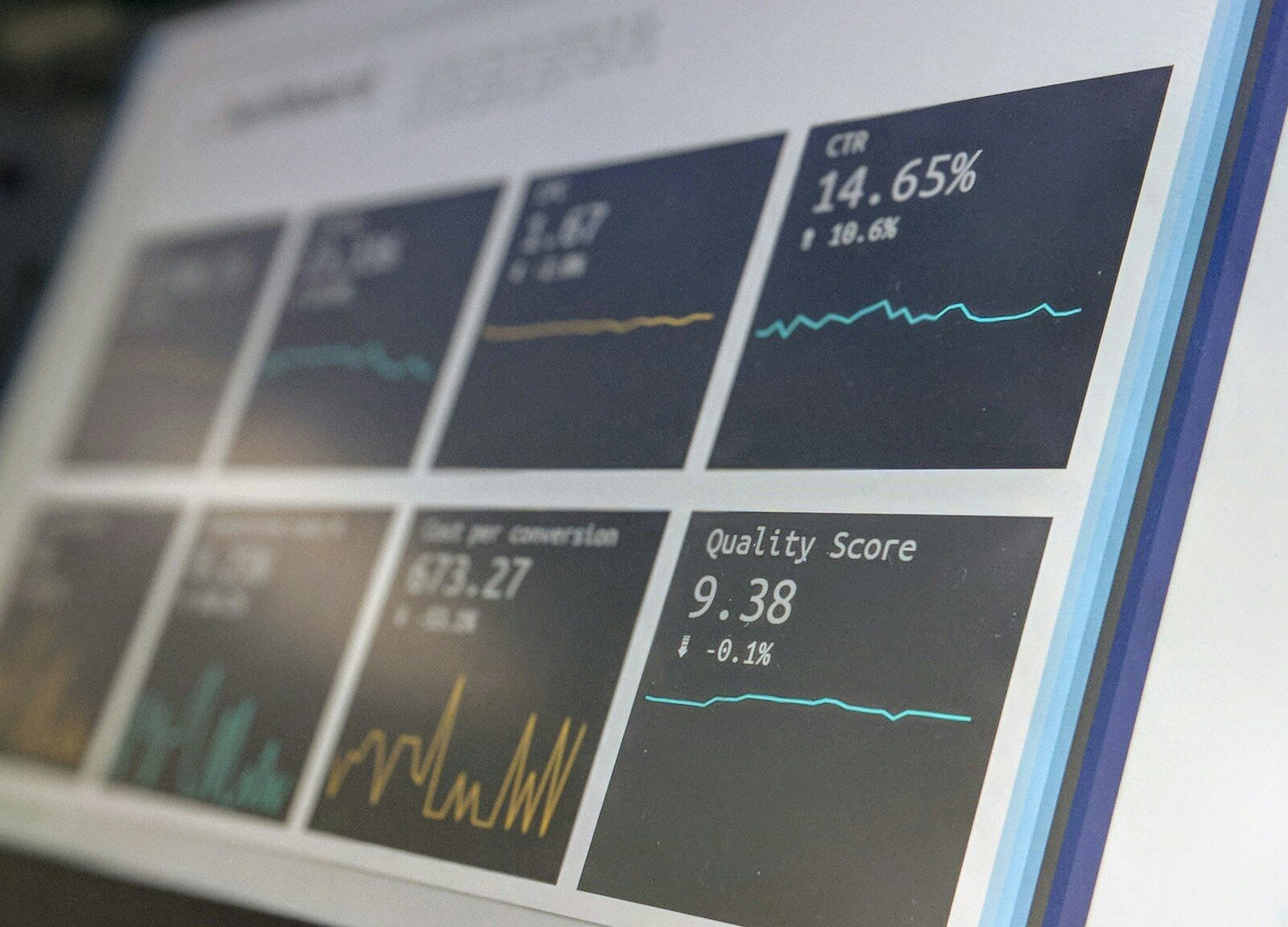
Every company I have looked at closely has a set of dashboards that nobody opens. The usual response is to rebuild them. Better charts, fewer of them, a cleaner layout, a weekly digest pushed into chat. Six months later the new ones are also unread, and the conclusion drawn is that the tooling was wrong again.
The tooling was fine. A number gets looked at when somebody has a decision that depends on it, and most of these numbers have no decision attached.
Ask what changes at which value
The test I use takes one question, and it is not whether the metric is important. It is: at what value of this number would somebody do something differently, and who is that person?
If the answer comes back immediately — below this, we stop the campaign; above that, we add a shift — the dashboard gets read without anyone being reminded. If the answer is that it is good to keep an eye on, it will not be read, and no amount of design will change that, because there is nothing on the other side of looking.
What makes this worth attention is the cost, which is invisible because it is spread thin. Somebody built the pipeline. Somebody maintains it when a field changes upstream. Somebody investigates when it breaks, and somebody explains the discrepancy when it disagrees with a different dashboard showing the same thing. That last one is expensive and common, and it is the definition problem rather than a data quality one: two teams counting different things correctly, then spending a fortnight reconciling them.
There is a variant I find more damaging than the unread dashboard, which is the read-but-inert one. A number that is reviewed every week in a meeting where nobody has the authority to act on it produces a ritual of noticing. It absorbs preparation time, it generates commentary, and it changes nothing — which is attention spent on the one resource nobody budgets, dressed as governance.
I would go further. Instrumentation is not free even when the pipeline is cheap, because every metric a company publishes internally is a claim it will eventually be asked to defend. Producing fewer of them, each attached to a named decision and a named owner, is a smaller surface and a more honest one.
So before the next redesign, I would try the cheaper experiment: turn one of them off and see who complains. In my experience the answer is nobody, and that is the finding — not a reason for embarrassment, just a line that can be closed.
Topics opiniondatamanagementmeasurement