You Cannot Delegate the Thing You Have Never Done
The advice to delegate more is sound and incomplete. A manager who has never done the task cannot specify it, cannot judge the output, and cannot tell whether the person is struggling.
Saturday, September 5th, 2026
The advice to delegate more is sound and incomplete. A manager who has never done the task cannot specify it, cannot judge the output, and cannot tell whether the person is struggling.
Policies accumulate because each was justified at the moment it was written. Almost none are ever removed, and the resulting rulebook governs a company that no longer exists.
Companies collect complaints diligently and route them to resolution rather than to comprehension. The signal that would have prevented the next hundred is discarded at the moment it is answered.
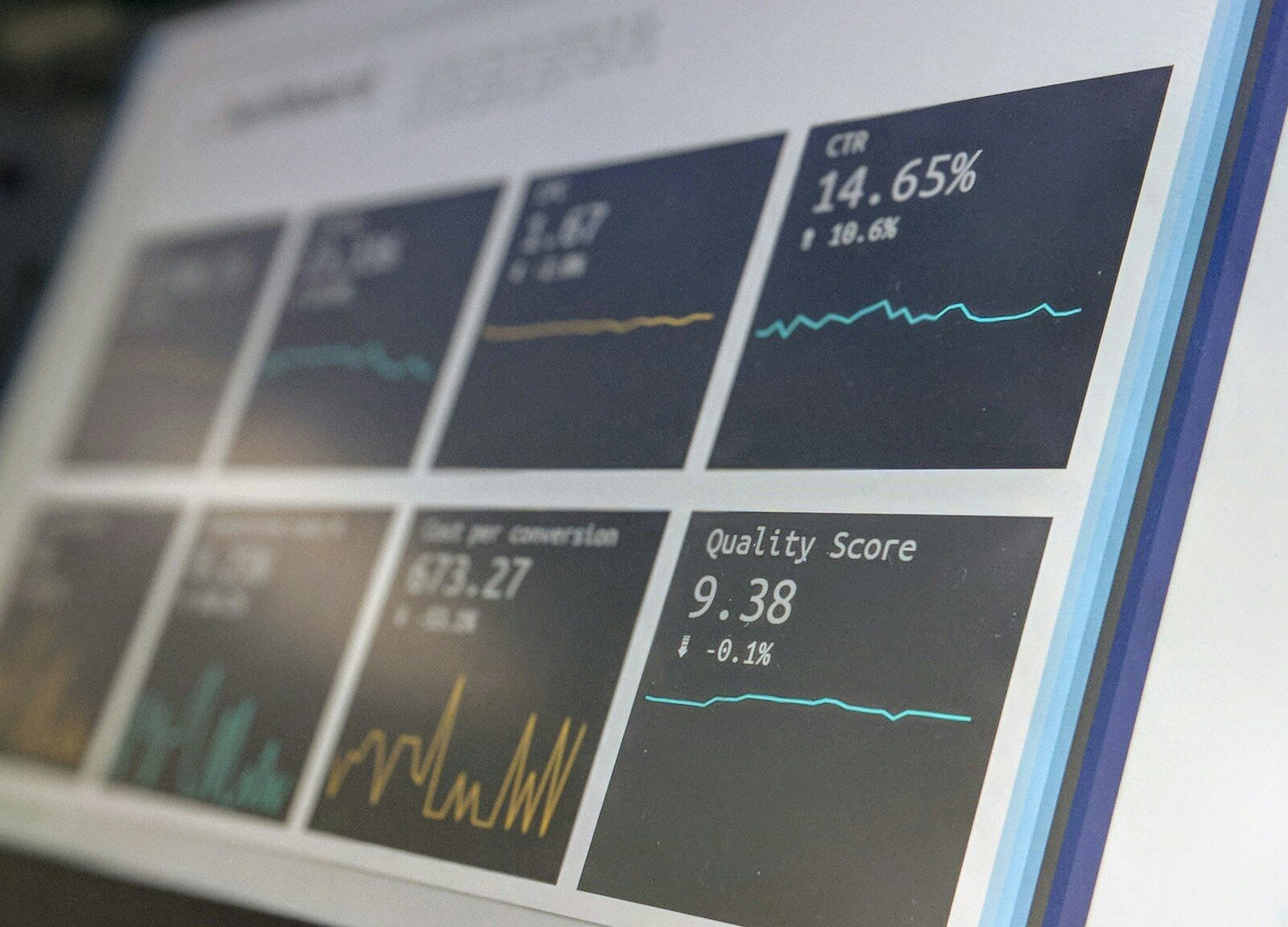
Every company has dashboards nobody opens, and every company responds by redesigning them. The reason they go unread is that no choice is waiting on what they say.
The reward for being reliable is more of everything, and most of it is work that did not need this person. Companies measure headcount and never measure who is doing what.
Most strategy decks describe a future the company would like and a plan for arriving there. A strategy names what the company will not do, and almost none of them do.
Most reorganisations are announced because a specific, uncomfortable decision was available and nobody wanted to make it. The chart changes, the decision waits, and everyone is busy for two quarters.
Every firm removing junior work is making a decision about its capability in 2031, and almost none of them are making it on purpose. The right question is not what the work costs but what it teaches.
Organisations have become very good at running trials and no better at ending them. A pilot that produces a clear positive result is the one most likely to be extended indefinitely, because extension is the decision nobody has to defend.
A quarterly ritual built around a hundred-page deck produces informed directors and almost no useful challenge. The format is the problem, and it is entirely within the board's power to change.
Companies measure everything except the forty percent of payroll spent talking about work, and the audit they refuse to run would explain more than any engagement survey.
Employers describe a scarcity of qualified candidates as an external condition, as though qualification were weather. It is a thing they used to produce and stopped.
The most durable businesses of this decade are not the loudest ones. They are the ones that stopped performing for an audience and started compounding in private.
Organizations meter hours with industrial precision while treating focus, the input that actually produces the work, as free and infinite. The ledger is exactly backwards.
Organizations keep buying infrastructure to answer questions they have never agreed on the wording of. The disagreement is not technical, which is why the technical spending does not resolve it.
When a town loses its newspaper, borrowing costs rise, local contracts get worse and small businesses lose their cheapest form of accountability. The market is finally noticing.
Speed has become the default virtue in hiring. It is the wrong one, and the companies quietly ignoring it are building better institutions.
Voluntary vagueness about where AI touches customers is becoming a liability. A simple disclosure norm would serve companies better than the silence they are defending.