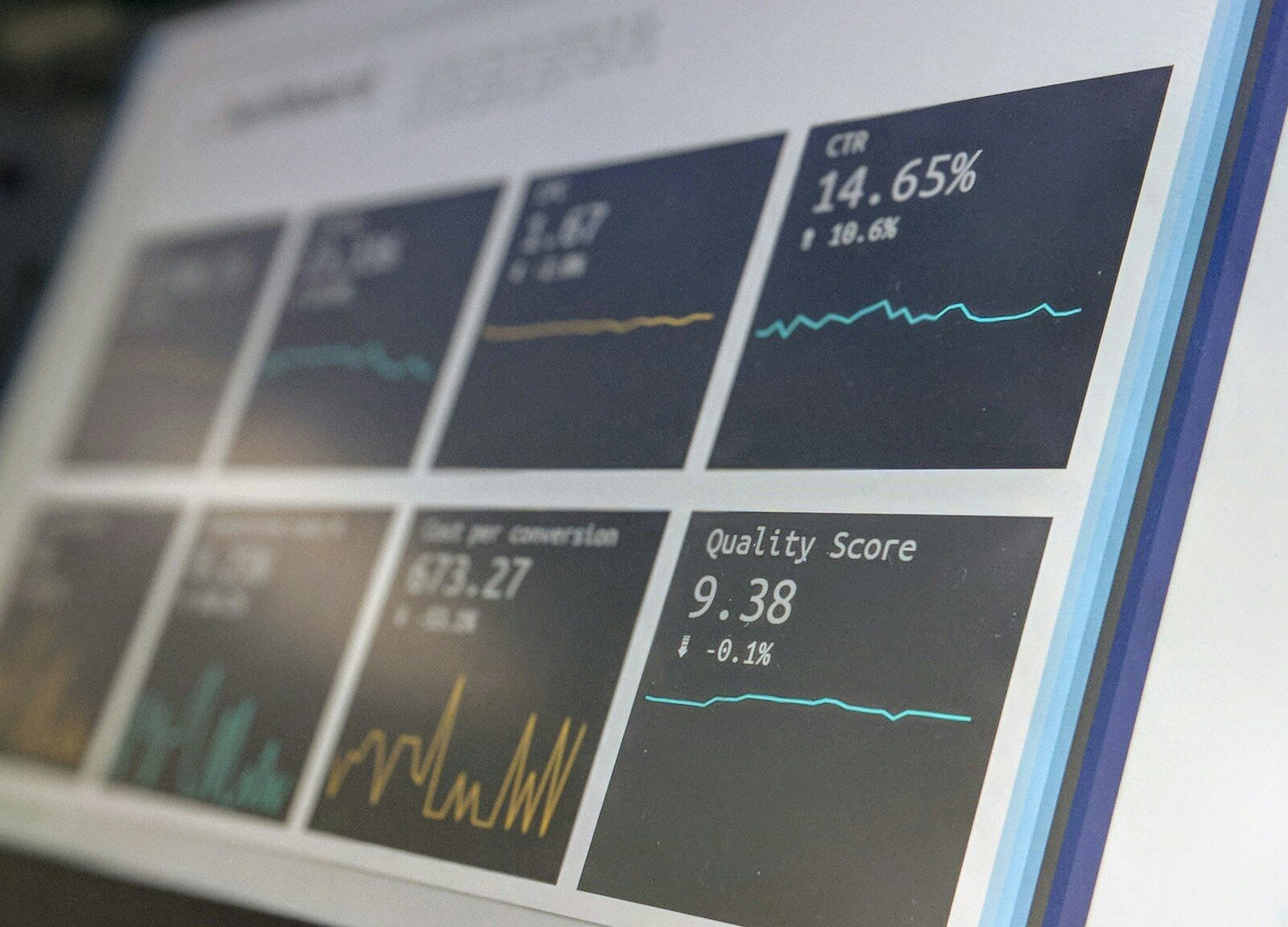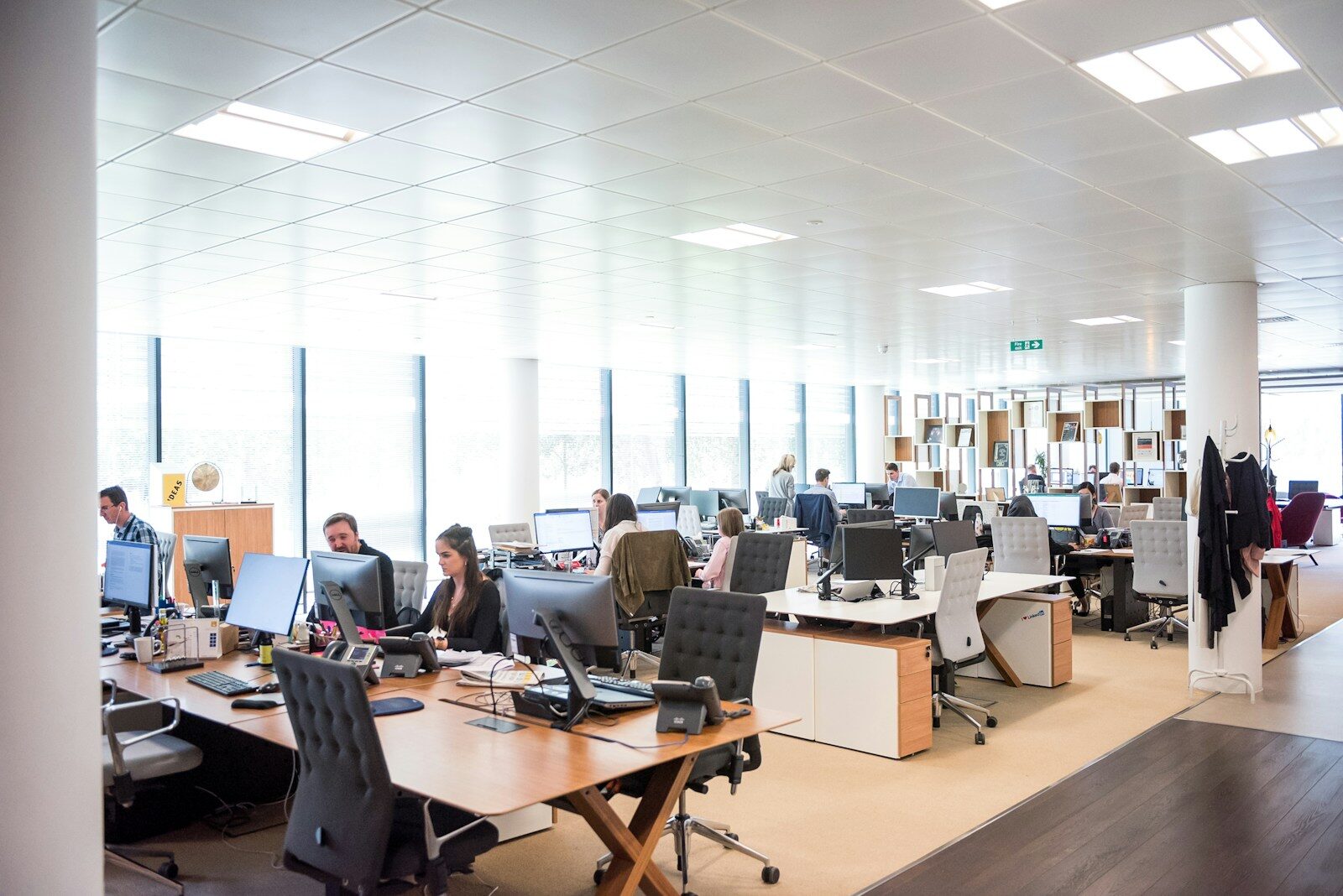
The modern company inherited its measurement instincts from the factory, where an hour of labor was an hour of output and counting one counted the other. Knowledge work broke that equivalence decades ago, and management measurement has spent the years since counting the wrong thing with increasing precision.
Hours are not the scarce input of thinking work. Attention is, and it obeys different physics. It cannot be banked, arrives in limited daily quantity, degrades with each interruption and does not regenerate on command. A knowledge worker's genuine productive capacity is perhaps a few hours of real focus a day, and every workplace system, the chat that pings, the calendar that fragments, the culture that prizes responsiveness, spends that capacity like it was free.
The fix begins with accounting honesty: treat deep attention as a budgeted resource, allocated deliberately, protected institutionally. A few organizations run the experiment, meeting-free mornings, response-time norms measured in hours not minutes, communication defaulting to written and asynchronous, and report the predictable result, which is that output rises when the producing resource stops being strip-mined.
The meeting economy is the largest single raid on the attention budget, but the deeper issue is the ledger itself. Companies get what they measure. Measuring presence bought presence. Measuring responsiveness bought interruptions. Measuring neither, and protecting focus instead, is not a perk. It is the entire production function, finally noticed.
Related reporting has traced Companies Cut Middle Managers. Now They Are Quietly Rebuilding the Layer and the Quiet Company Is Winning, and Nobody Is Writing About It.
The clearest place it leaks is also the least measured: your best people are spending their time on your worst work.
Topics opinionproductivityworkplace