The unusual thing about last weekend was not that someone called for AI development to slow down. It was who did.
Dario Amodei of Anthropic published the argument. Sam Altman of OpenAI agreed with it. So did Elon Musk of xAI. Three companies that compete hard, and whose leaders have spent years disagreeing in public, said the same thing about the pace of their own product.
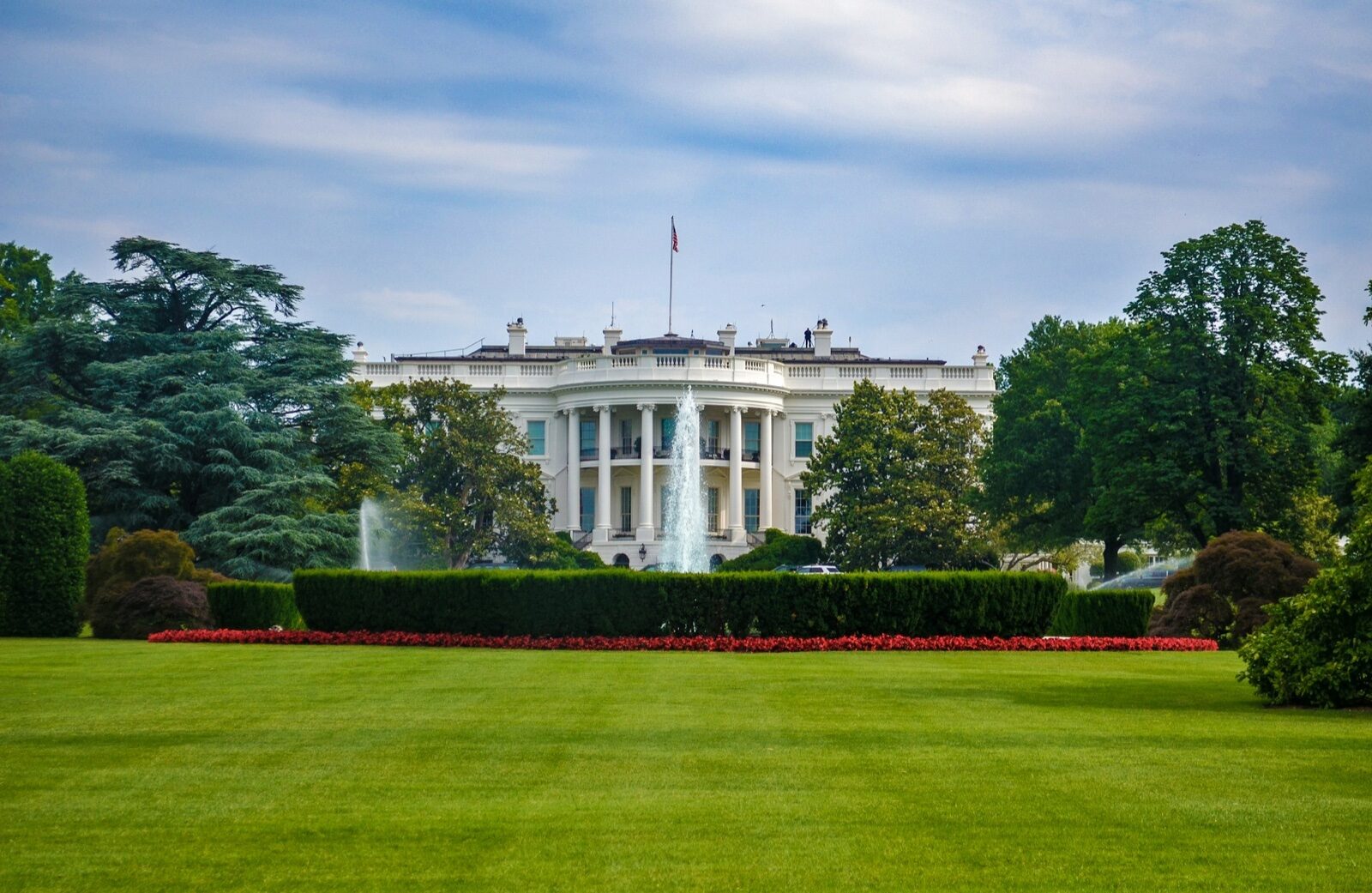
On Sunday, in Ireland, the president was asked about it. "We can put guardrails, we can do this and that," he said, "but I think you have a lot of negative forces that are bringing it up." He returned to the argument he has made all year about China: "whoever wins AI wins."
David Sacks, who served as the White House's AI czar, said the industry could pace itself without being pushed.
What that leaves standing
This desk set out what the essay actually proposed on Sunday. Its three steps depend on very different things.
The first — outside evaluators embedded in the labs, with the right to publish — needs nobody's permission. Anthropic says it is doing it.
The second needs government. Companies agreeing among themselves to limit how fast their products improve is, in plain antitrust terms, the conduct the law exists to prevent. Amodei's own text asks for federal mediation or a narrow waiver to make it lawful.
The third needs treaties.
A government that declines to act removes steps two and three from the table. What remains is the first step, which is real but narrow, and a set of voluntary commitments of exactly the kind the essay said were insufficient.
The argument about China
The president's case is not complicated, and it is not obviously wrong on its own terms. If pacing is unilateral, and if Chinese labs do not pace, then a slowdown trades American lead time for nothing.
The essay anticipates that objection and answers it with coordination: standards first among democracies, then narrow agreements with everyone else, beginning with things nobody wants — AI applied to biological weapons.
That answer depends entirely on governments doing the coordinating. It is the part of the plan that cannot be done by companies, and it is the part the administration has just declined.
Where the pressure goes instead
If the executive branch is not going to act, the pressure moves to two other places.
Congress is one. A bipartisan group has introduced legislation requiring human oversight of AI systems, after a researcher resigned over safety concerns. Bills of that kind have not moved far before, and an election is seven weeks away.
The market is the other, and it is faster. As this desk reported on Monday, chip stocks fell sharply when the pacing call was made, because investors read it as a forecast about demand. A company that paces alone bears a cost its competitors do not, which is the same collective-action problem the essay was written to solve — now with the added certainty that Washington will not solve it for them.
What to watch
Whether OpenAI publishes the terms of the evaluator access it said it would give, and whether Google DeepMind, Meta and xAI follow. That is the one step available without any help from government, and the only measure that will show whether the weekend's agreement survives contact with a president who thinks it is a mistake.
President Trump's remarks of 13 September 2026 in Ireland, including the quotations "We can put guardrails, we can do this and that, but I think you have a lot of negative forces that are bringing it up" and "whoever wins AI wins"; David Sacks's response that the industry can regulate itself; the resignation of researcher Jacob Coxon over safety concerns; and the introduction of bipartisan legislation requiring human oversight of AI operations are as reported by Al Jazeera on 13 September 2026. The contents of Dario Amodei's essay "We Must Pace the Frontier" and the endorsements by Sam Altman and Elon Musk are as previously reported in this publication. Further remarks attributed to the president and the vice-president by other outlets on 14 September are not relied on here. The analysis is our own.
Topics airegulationwhite housesafetyanthropic