The Philippine Coast Guard said on Saturday that it had recovered 41 more bodies from the MV June Aster, the passenger ferry that caught fire on Wednesday evening a little over two kilometres off Coron. The confirmed toll is now 76. Forty-three people survived. Thirteen are missing.
Seventy-six, forty-three and thirteen make 132.
The ticket manifest listed 134 people, and two of them did not board. For the first time since Wednesday night, the count of the dead, the living and the missing matches the number of people who were on the ship.
A correction to our own reading
On Saturday this desk reported the Coast Guard's morning figures — 35 dead, 53 missing, unchanged from Friday — and argued that the count had stopped rising because the work had moved from recovery to identification.
That was wrong about the vessel. The fire had kept rescuers out of parts of the ship, and 41 bodies were still aboard. They were recovered later the same day. Identification is still the slow part of what comes next, but the toll had not finished moving, and we said that it had.
The question this desk asked has an answer
Thursday's report set out why the manifest might not match the number aboard. Saturday's piece ended by saying the first thing any inquiry would need was how many people the ship was permitted to carry and how many were on it.
The June Aster had a capacity of 330. It sailed with 132.
That matters because it removes the most familiar explanation. The manifest was accurate, the vessel was well under its limit, and whatever killed 76 people was not a crowded deck. The inquiry has to look somewhere else.
Two explosions, and what was below
The Maritime Industry Authority, citing survivors, says two successive explosions were heard inside the ship before the fire spread through the passenger areas. Commodore Noemi Cayabyab of the Coast Guard said that "the wind may have contributed to the rapid spread of the flames, based on the survivors' accounts."
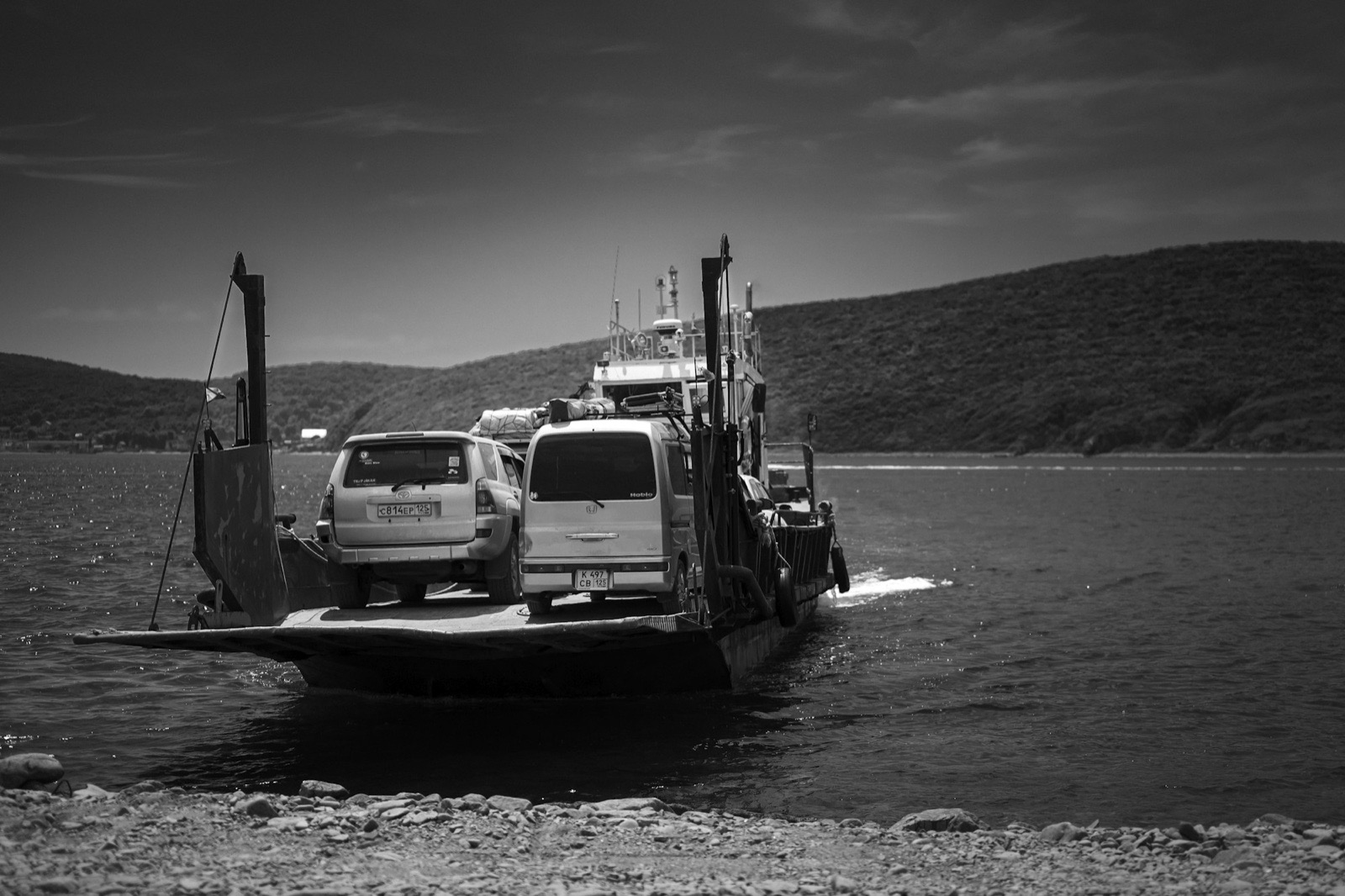
The vessel was carrying vehicles: five motorcycles, an electric vehicle, a forklift and a pickup truck, according to Philstar's account of the cargo.
Nothing about that list establishes a cause, and it would be irresponsible to read one into it. It does tell investigators where to begin. Vehicles carry fuel, and in one case a traction battery, and fires on vehicle decks are a recognised category of maritime risk precisely because they are hard to reach and hard to put out — the car carriers Felicity Ace in 2022 and Fremantle Highway in 2023 were both lost or crippled by fires that spread through their cargo. Whether the vehicles were declared, how they were stowed and whether their fuel state was checked are ordinary documentary questions with ordinary answers.
The captain
The master, Roel Sarmiento, was initially reported to be among the surviving crew gathered at a covered court in Barangay Turda. His name is not on the official list of survivors, and authorities are looking for him. Philstar reports that he may face charges for abandoning his responsibilities.
Cayabyab said that "definitely there is liability here." That is a statement about where the inquiry is heading, not a finding, and the captain's account — including where he was when the explosions came and what orders were given — is among the most important evidence it has not yet heard.
What the families face now
Identification continues at Coron, using personal effects and DNA. For the families of the 76 the wait is now for a name. For the families of the 13 still missing, it is for the vessel to give up what remains of the search, or for a declaration that it will not.
What to watch
The Maritime Safety Investigation's first finding on the cargo deck: what was carried, where it was stowed, and which of the two explosions came first. And whether the captain is found and gives an account. Those two things, not the toll, will decide what this disaster is eventually said to have been.
The Philippine Coast Guard's statement of 12 September 2026 that 41 more charred bodies had been recovered, bringing the toll to 76 with 43 survivors and 13 missing; the quotations attributed to Commodore Noemi Cayabyab; the Maritime Industry Authority's statement citing survivor accounts of two successive explosions; and the involvement of forensic teams and Philippine National Police scene-of-the-crime officers in identification are as reported by Al Jazeera, Philstar, The National and Anadolu Agency on 12 and 13 September. The manifest of 134 with two passengers who did not board, the vessel's capacity of 330, the departure from Manila at 8:13pm on 8 September, the cargo of five motorcycles, an electric vehicle, a forklift and a pickup truck, and the account of the captain, Roel Sarmiento, are as reported by Philstar on 13 September. The references to the Felicity Ace and Fremantle Highway are to the publicly reported car-carrier fires of 2022 and 2023. No cause has been determined. The analysis is our own.
Topics worldphilippinesferrymaritime safetydisaster