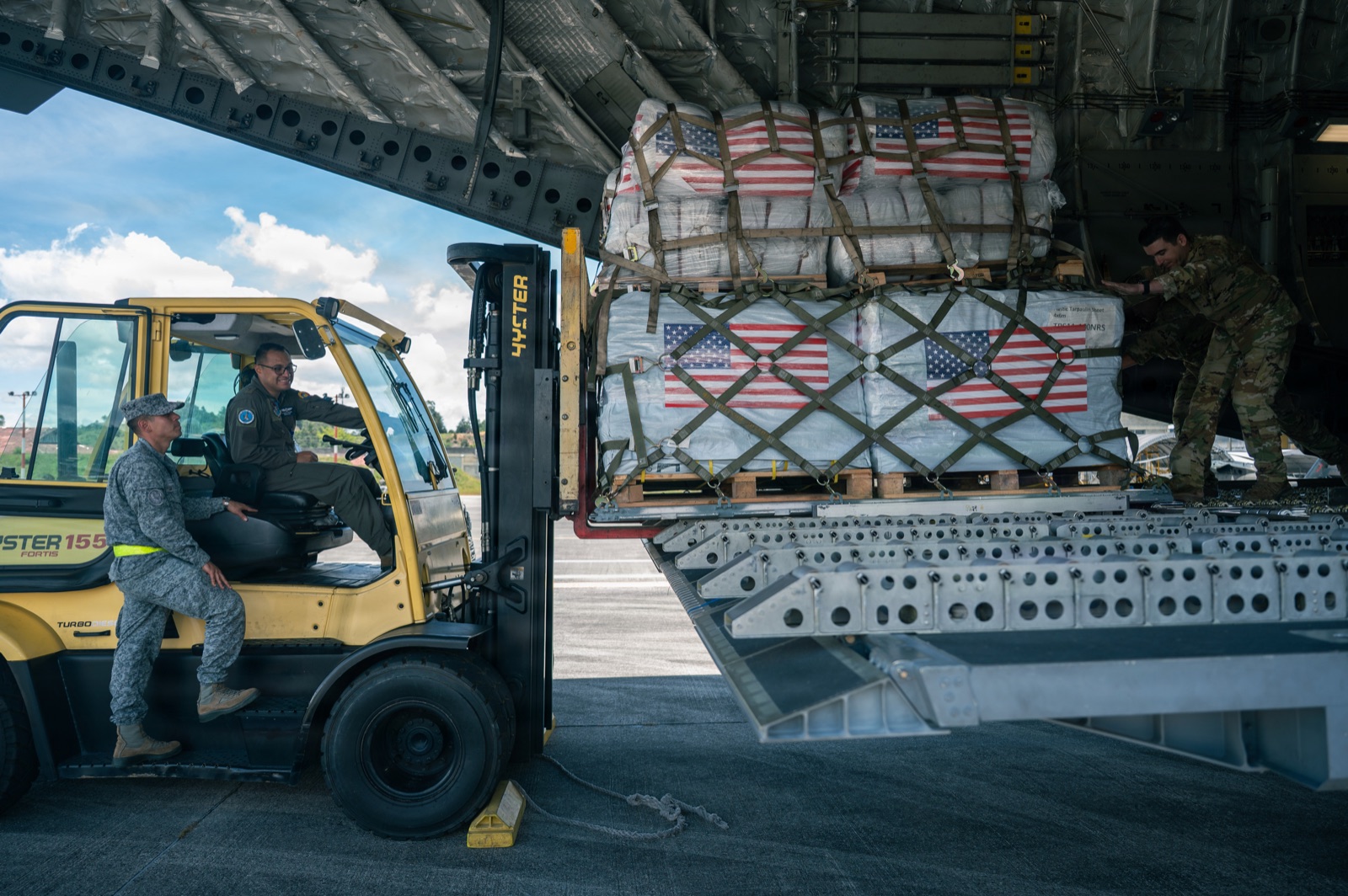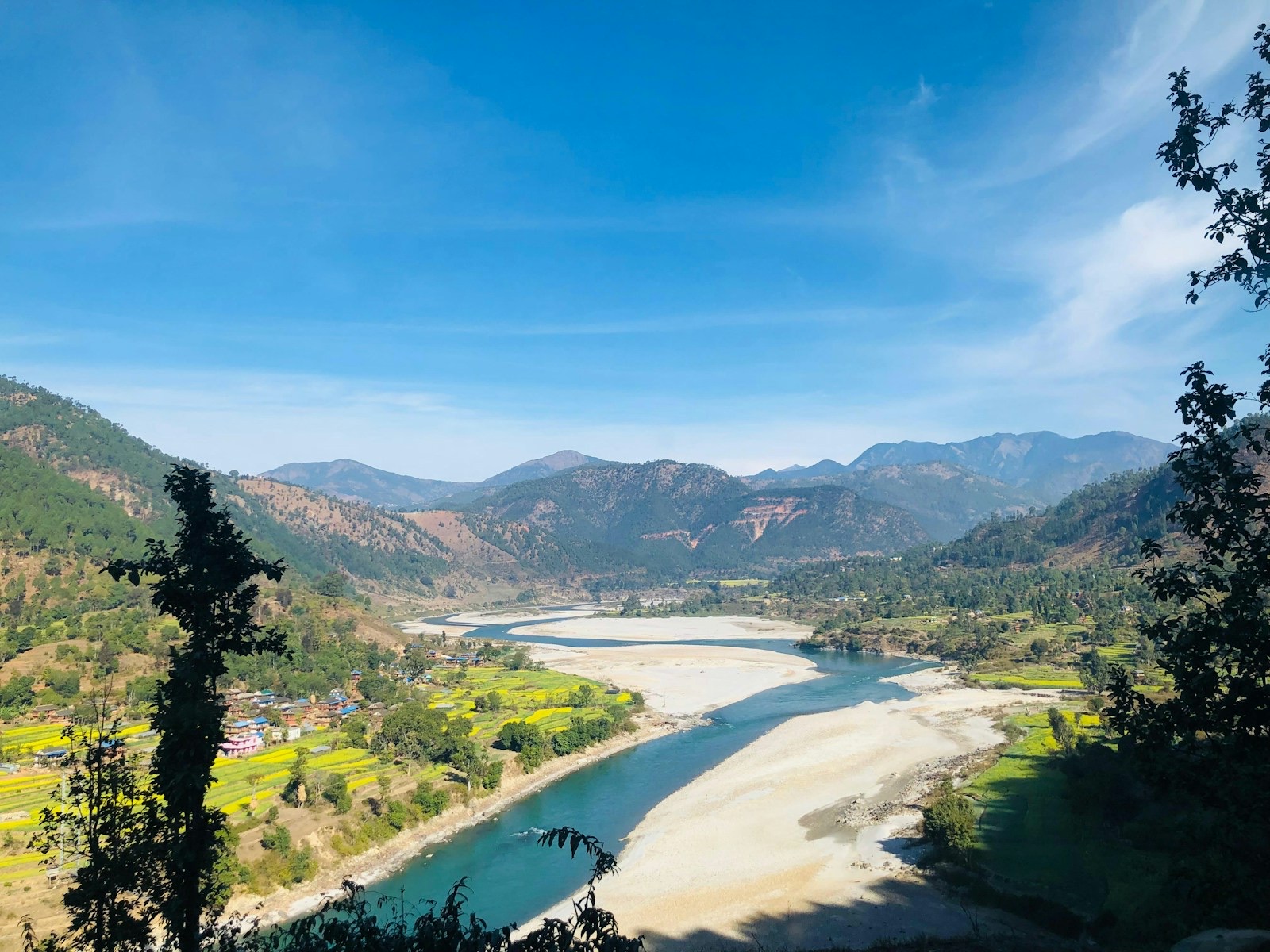
On the tenth day after the flooding on the Nepal-China border, rescuers reached Lu Haitao 225 metres inside a flooded tunnel at a hydropower plant in Rasuwa district. He was alive. In neighbouring Nuwakot, they dug 64-year-old Chandika Kumari Shrestha out of her collapsed house. She was alive too. Three people have been recovered alive inside 48 hours.
Those rescues are the reason the search continues and they need no justification beyond themselves.
They are also, on the arithmetic, close to the end of what searching will produce. Authorities in Nepal and China now count about 1,375 dead. Roughly 5,000 people are still missing in Nepal alone, 589 of them foreign nationals, with a further 531 missing in Tibet.
Two numbers that behave differently
The dead figure rises when a body is found and identified. It is slow, it is bounded by the physical work of recovery, and every increment is a fact.
The missing figure is a residual. It is everyone reported unaccounted for, minus those since found alive or dead, and it can only fall. It falls in three ways: a rescue, a recovery, or a declaration.
After ten days in cold water and collapsed structure, the first of those is close to exhausted, and the second will take months in terrain where a great deal of what was buried will not be reached at all. Which leaves the third, and it is the one nobody is set up for.
What a declaration is actually for
It sounds like bureaucratic housekeeping. It is the opposite: it is the thing that lets a household resume.
Without a death certificate a spouse generally cannot access a bank account, claim on a policy, inherit land, remarry, or in many systems receive a survivor benefit. A missing person is legally alive, and a legally alive person's affairs cannot be settled by anybody else.
For Nepal specifically this reaches further than usual, because of remittances. A very large share of Nepali households depend on income from a family member working abroad or in another district, and those flows are attached to individuals — accounts, employers, sending arrangements. A household whose earner is missing rather than dead loses the income immediately and gains access to nothing.
Multiply by five thousand.
The 589 make it harder
Foreign nationals missing in a disaster produce a jurisdictional problem on top of an evidentiary one. Their families are in other countries, their affairs are governed by other legal systems, and a Nepali declaration has to be recognised abroad before a bank in another capital will act on it.
That process is usually slow when it is functioning normally. It is slower when consular staff are working from a country whose own administration is stretched across a disaster response of this size — 21,500 security personnel mobilised, nearly 12,000 people already rescued, more than 5,000 treated for injuries.
The other sentence in the reporting
Coverage has noted that warning signs were visible before the flooding.
This paper has been careful about that kind of claim in the past, because hindsight makes every disaster look foreseeable and the useful question is narrower: was the signal specific enough, early enough, and delivered to somebody with the authority and the means to act. Those are four separate conditions and a warning fails if any one of them is unmet.
We have written about a state that could not budget for a rule announced after the snow had already fallen — a case where the information existed and the mechanism to act on it did not. That is the question worth putting to whatever inquiry follows here, and it is different from asking whether anyone saw it coming.
What to watch
Not the death toll, which will rise slowly and will be reported each time.
Watch whether Nepal introduces an expedited procedure for declaring the missing dead, and on what evidentiary standard. Every country that has been through a disaster of this scale has eventually had to build one, usually late, and usually after families had already spent a year unable to touch a bank account.
The speed of that decision will determine more about how five thousand households actually fare than anything still happening on the mountain.
The combined death toll of about 1,375 recorded by authorities in Nepal and China, with at least 1,331 in Nepal and 31 in Tibet; approximately 5,000 people missing in Nepal including 589 foreign nationals and 531 missing in Tibet; the rescue on the tenth day of Lu Haitao from 225 metres inside a flooded hydropower tunnel in Rasuwa district and of 64-year-old Chandika Kumari Shrestha from her collapsed home in Nuwakot; the recovery of three workers alive within 48 hours; the rescue of nearly 12,000 people, treatment of more than 5,000 for injuries, mobilisation of about 21,500 security personnel and restoration of almost all communication towers; and reporting that warning signs were visible ahead of the floods are as reported by CNN, Al Jazeera, ABC News and UN News between 1 and 8 September 2026. Earlier and lower tolls reported by this publication reflected the counts available at the time. Nepali procedures for declaring a missing person dead are not described in detail here and vary by circumstance. The analysis is our own.