The first instrument to register what happened above the Nepal-China border on Wednesday morning did not record it as a flood. The US Geological Survey logged it as a magnitude 4.4 earthquake.
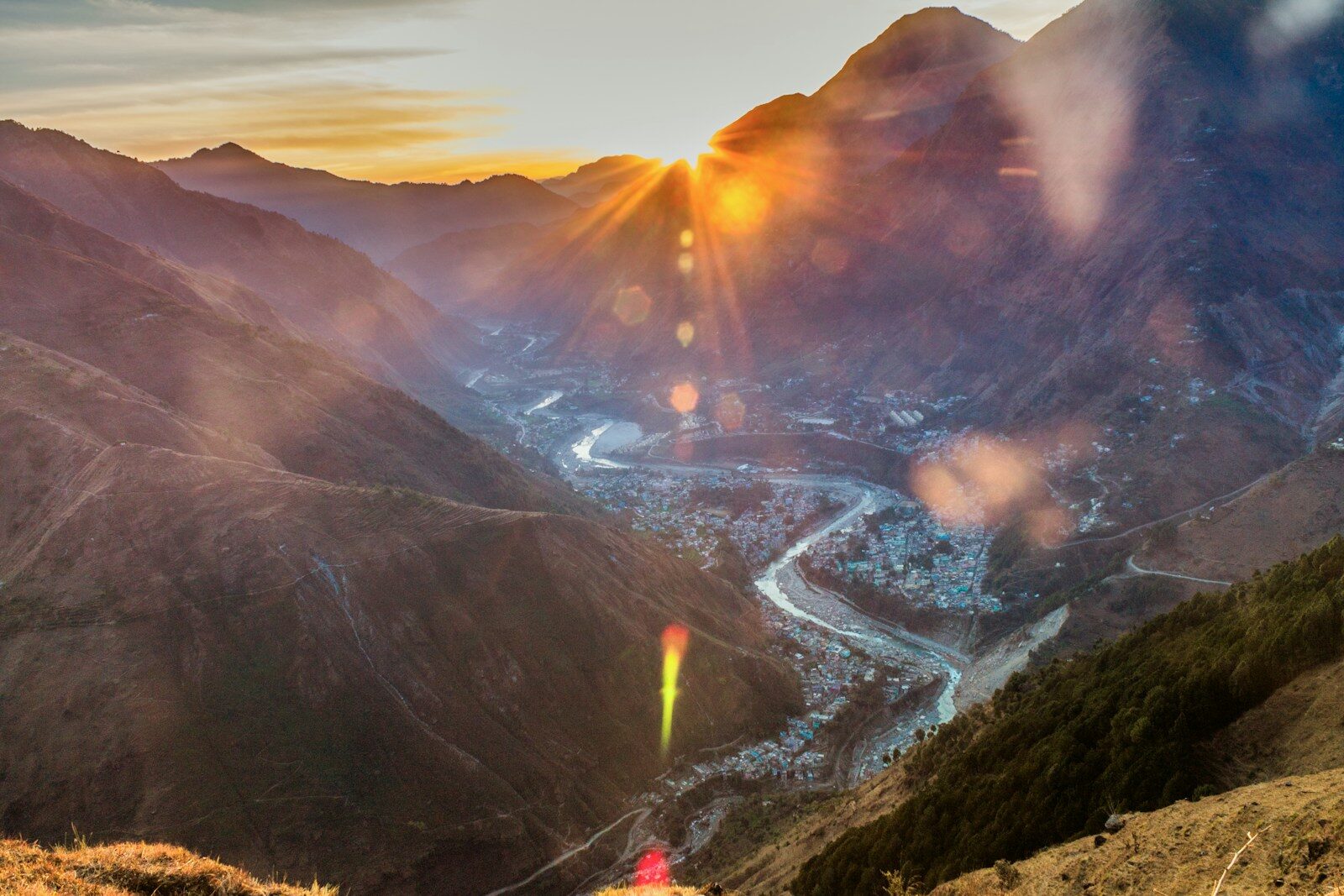
It was not an earthquake. A photographer in the area heard the sound at about half past ten local time and took it for a military exercise, according to CNN. What he had heard was roughly 2,000 feet of glacier shearing off a mountainside, with a comparable section of rock alongside it, leaving a gash in the slope some 3,000 feet wide — a measurement CNN derived from satellite imagery taken before and after.
Twenty-two kilometres at a hundred and twenty miles an hour
What came down was not water. The flood wave was a cascade of water, pulverised ice and rock, and it covered the first 22 kilometres — just under fourteen miles — at an average speed of 193 kilometres an hour, or about 120 miles an hour, according to Jeffrey Kargel, a senior scientist quoted by CNN.
That figure explains the thing survivors keep describing, which is the absence of warning. A valley community below a glacier has minutes at that speed, not hours, and no siren network reaches people faster than the water does. It is also why the arithmetic of the border crossing was what it was: an Australian couple cleared immigration at 9:05 and the water arrived at 9:15.
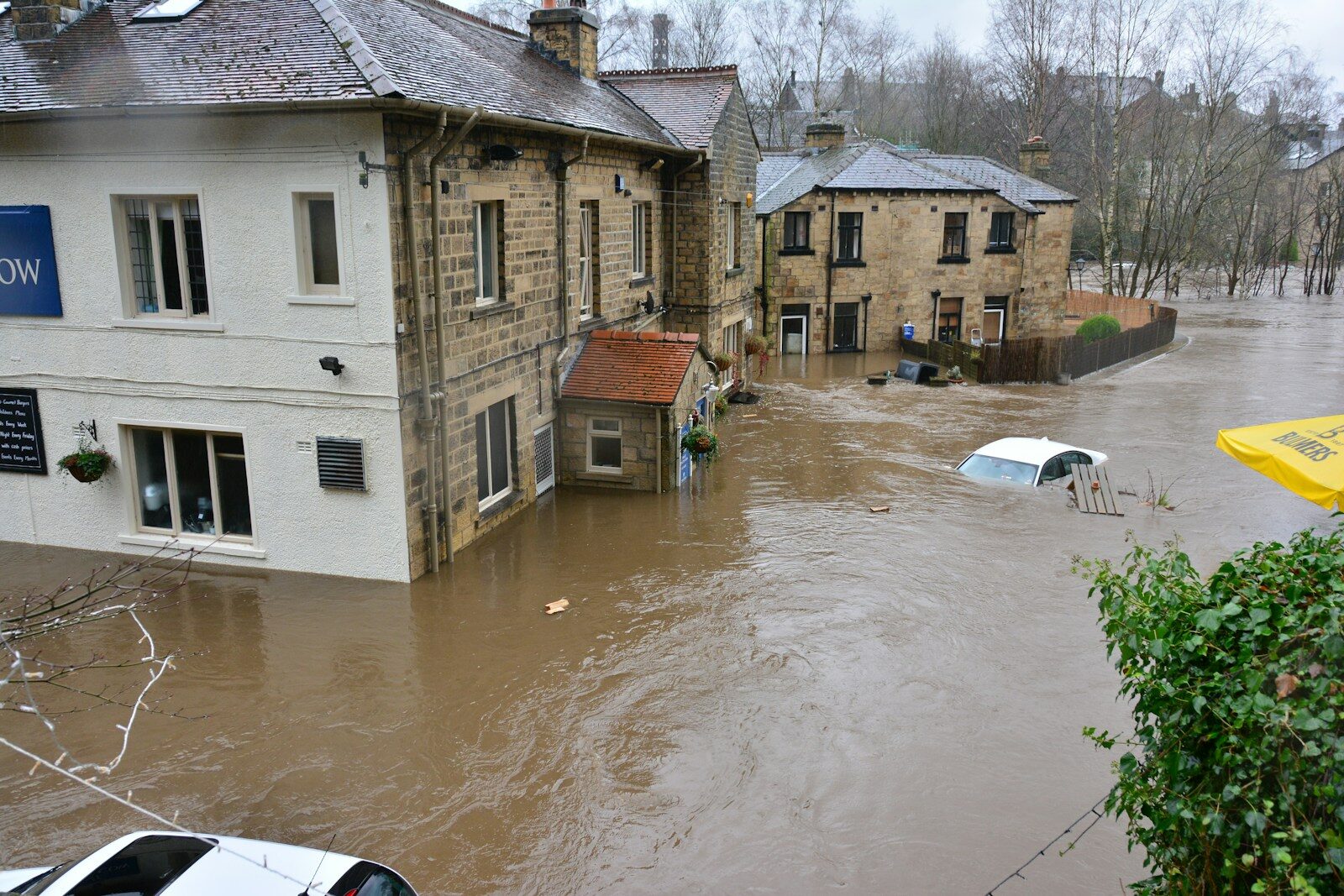
The confirmed toll has risen. At least 469 people are now known to have been killed in Nepal, authorities say, up from 389 two days ago, and CNN's team on the ground reports destroyed bridges and buried houses. More than a thousand people remain missing across the border region, as reported when the search began.
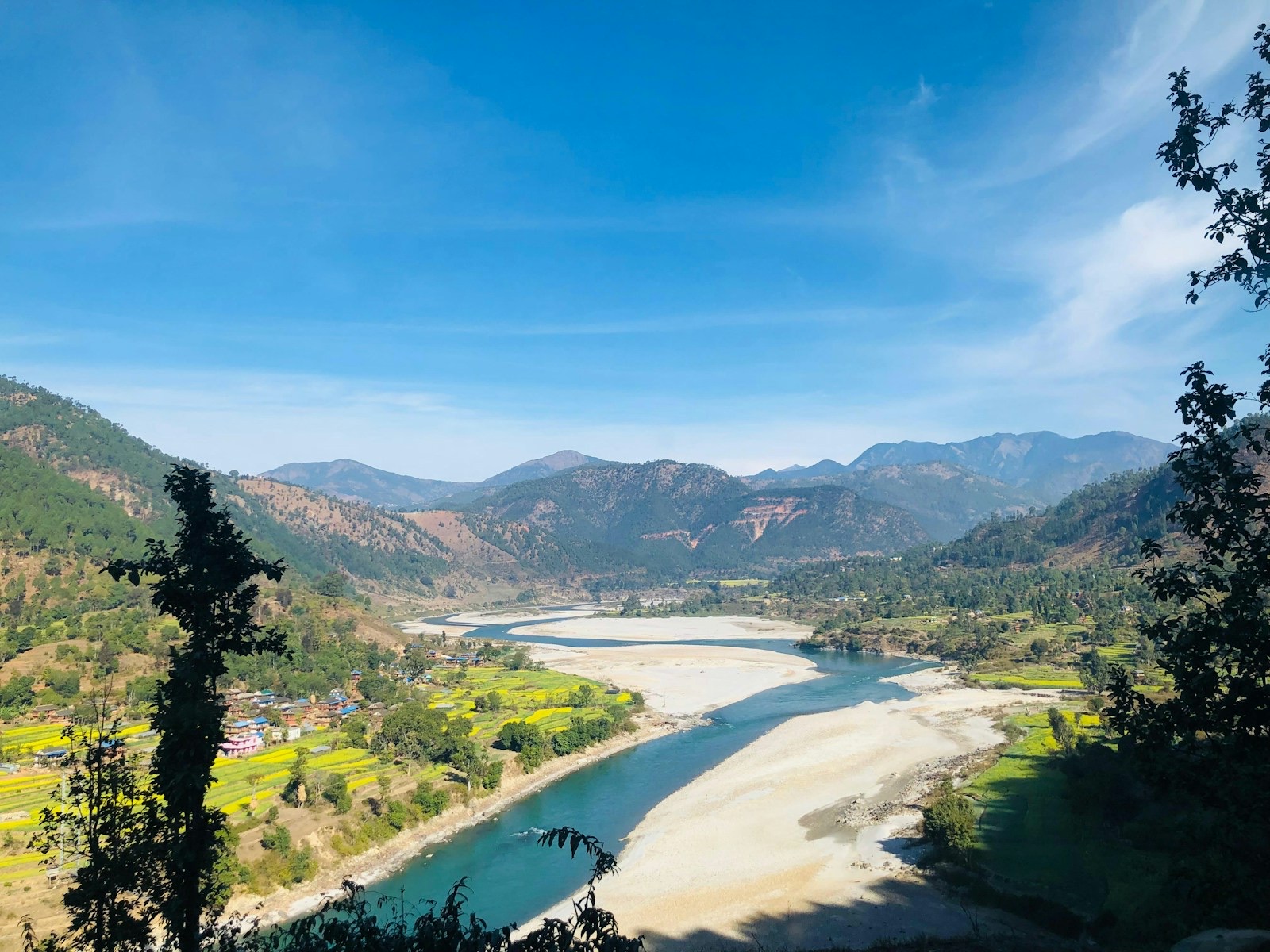
The valley is not finished. Debris from the initial landslide has dammed water on the Chinese side, in Gyirong County, and rain and cold weather are forecast there. Aid officials have said publicly that they are extremely concerned about a renewed flood arriving while roads remain blocked and while communities that have not yet received help are still cut off. Rescuers and volunteers are distributing warnings to people who, two days on, are described as still disoriented.
Attribution of any single event to a warming climate is a careful business and scientists are still working on the specifics of this one. What is not in dispute is the general mechanism: ice that has been structurally stable for a long time sits above a great many Himalayan valleys, and the conditions holding it there are changing. The people below those slopes did not create the conditions and are the first to meet the consequences.
Reporting and figures in this article are drawn from CNN's continuing coverage of the Nepal flooding, as updated on 28 August 2026. The toll is expected to change.
Topics worldnepalclimatedisaster