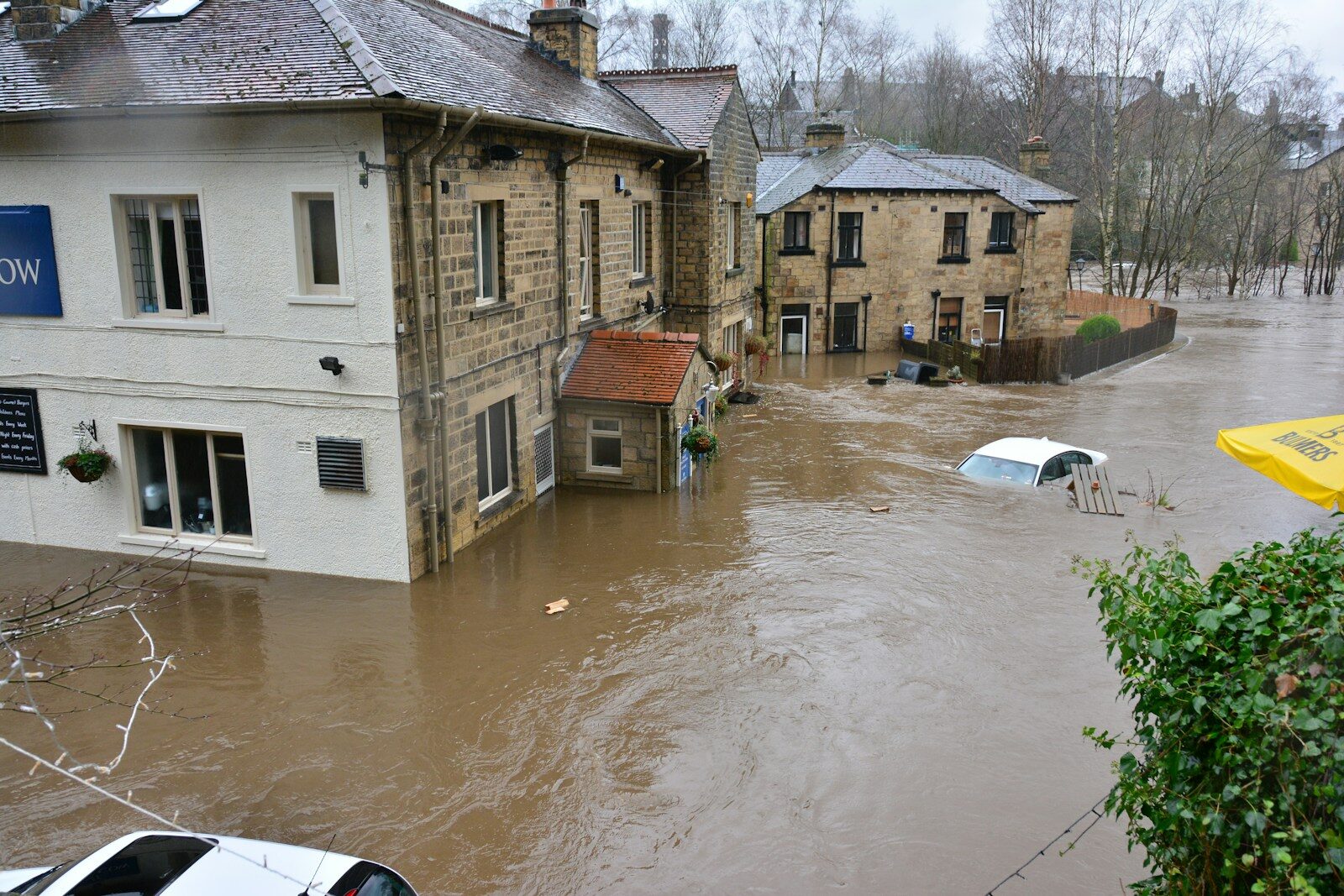
The flood reached the border crossing at about 9:15 on Wednesday morning. An Australian couple returning from a pilgrimage had cleared the queue at immigration ten minutes earlier, at 9:05, according to their niece Navya Nataraj, who spoke to CNN. They have not been heard from since. Security camera footage from the crossing shows a wall of water swallowing it.
At least 389 people are dead in Nepal, authorities say, and more than 1,300 are missing across the China-Nepal border region. Among the missing are more than 700 foreign nationals from around two dozen countries — at least 517 unaccounted for in Nepal according to the Nepal Tourism Board, and roughly 260 more in China. At least 466 people are injured.
The roads that would carry help are gone
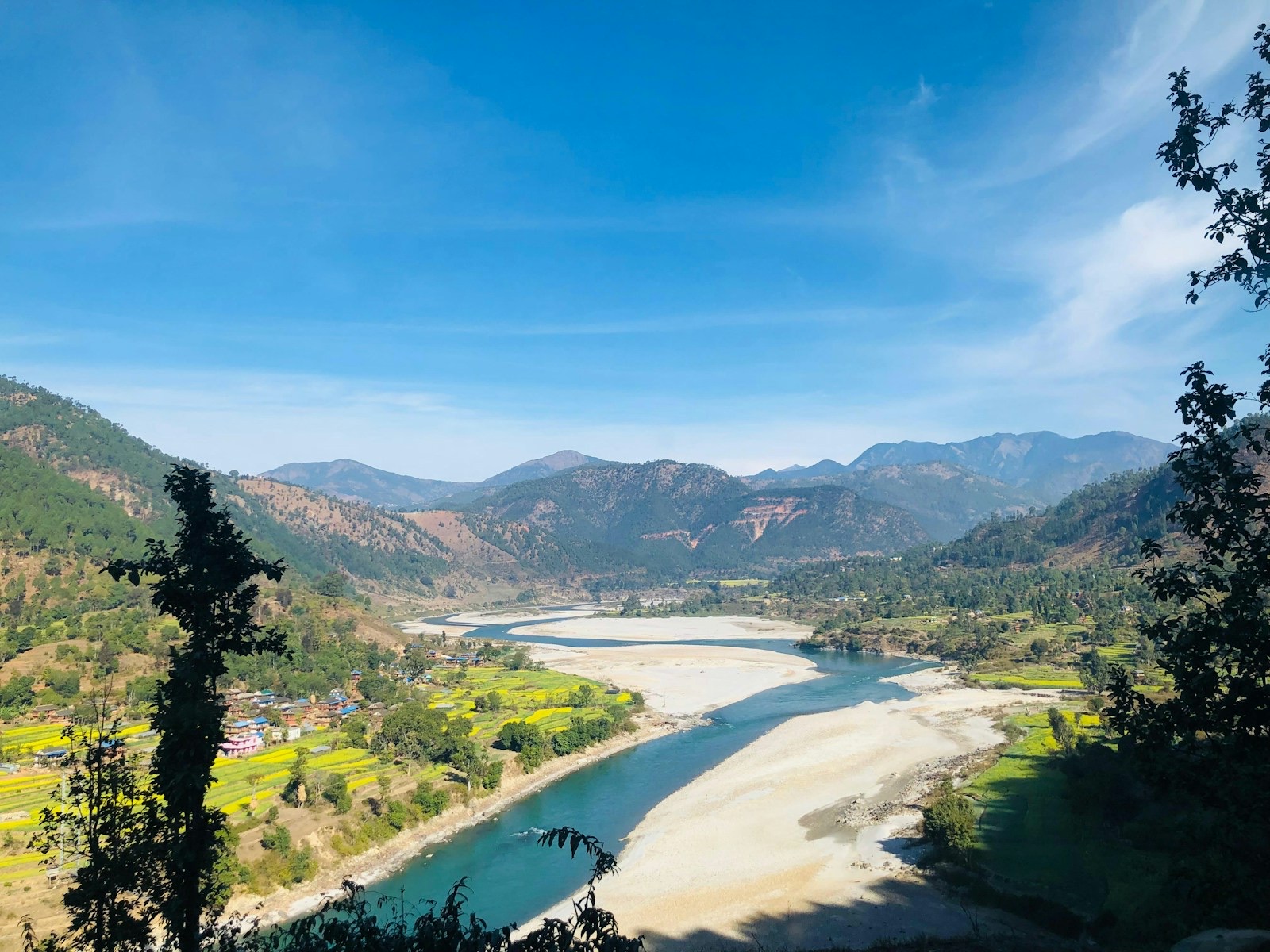
The response is being flown in because there is no alternative. Tom Fletcher, the United Nations emergency relief coordinator, told CNN that most of the roads into the affected areas have been destroyed and that teams are relying on air assets to reach them. The UN has allocated two million dollars for water, medical kits and emergency shelter for three months, and is concentrating on the districts of Rasuwa, Nuwakot and Dhading.
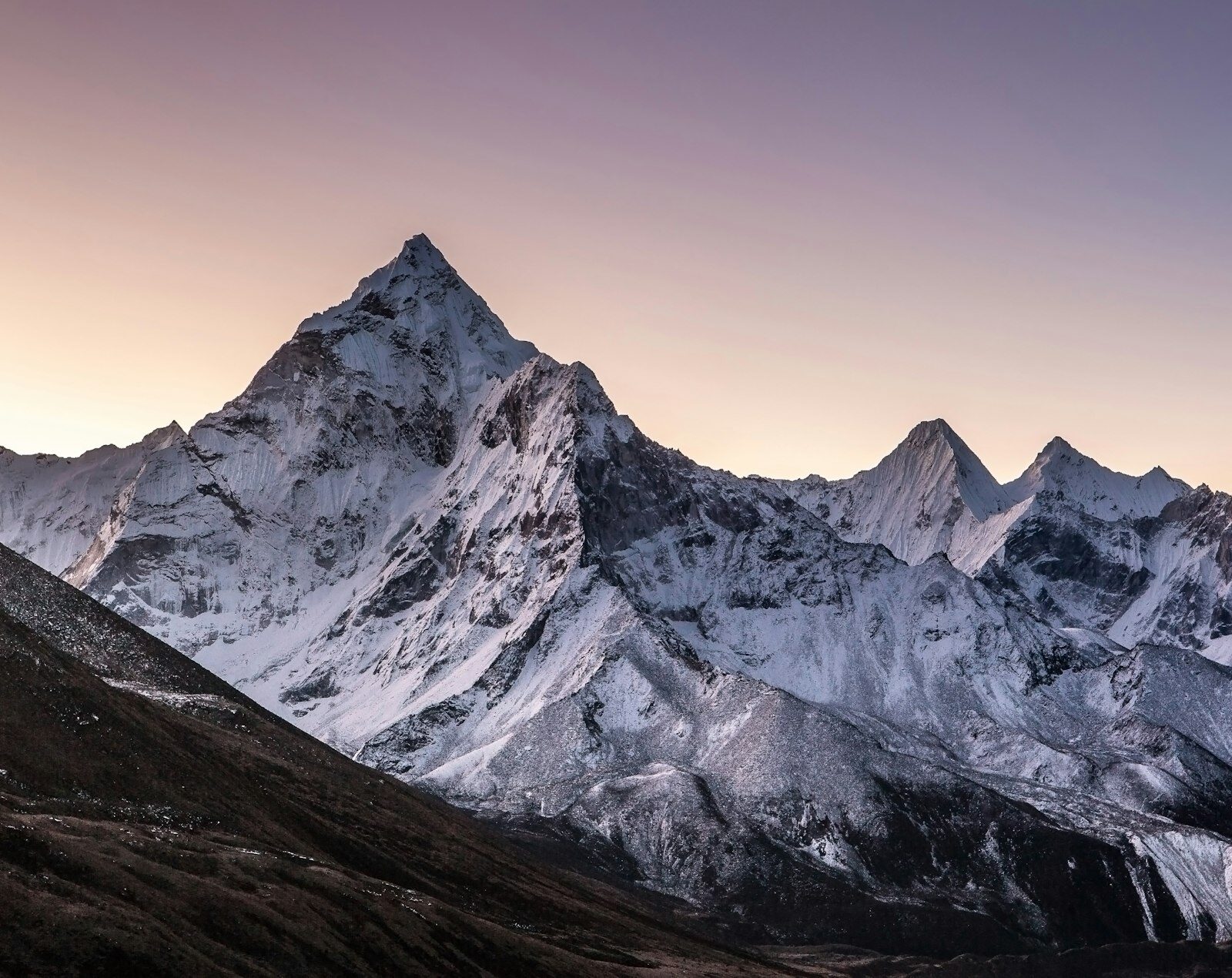
What caused it is not yet settled. Scientists are still working on the mechanism, and the US Geological Survey has said a glacial collapse — a large section of ice breaking away and falling — is among the possibilities. In a region where the ice sits above the villages, that distinction matters for what happens next as much as for the record.
There is a second threat that has not resolved. Chinese authorities have warned of a "high risk" that a lake dammed by landslide debris could give way and flood the same valleys again. Fletcher told CNN the warnings should be taken "very, very seriously," and said the UN is using satellite monitoring to try to anticipate it. Monsoon storms are forecast for the coming days.
The missing are counted country by country as foreign ministries work through their nationals. The US State Department says 90 Americans are unaccounted for. Malaysia reports 55, Australia at least 39, Canada at least 30 citizens and permanent residents across Nepal and Tibet, Sweden one citizen and one resident. France has said some of its citizens cannot be reached without giving a number.
Aid has begun to move. Australia is sending a package worth five million Australian dollars, about 3.5 million US, along with three humanitarian response specialists. Inside Nepal, the government is offering free treatment for the injured, and Kathmandu Medical College has sent doctors into the disaster zones and opened its hospitals to flood patients without charge.
For Nepal's prime minister, Balendra Shah — a rapper elected five months ago and known universally as Balen — this is the first test of the kind that defines a government. Writing from Kathmandu after returning from Nuwakot, he said the country was operating at full capacity and that the priority remained saving lives.
Shirish Maharjan, a Nepali student who left Kathmandu three weeks ago for the first time, described to CNN what it is to watch from outside. Her family is safe. She checks the news between assignments in the library. "Nepal contributes very little to global greenhouse gas emissions," she said, "yet people, especially communities living in the Himalayas and other vulnerable areas," are the ones it reaches first.
Update, 28 August. The confirmed death toll in Nepal has since risen to at least 469, and scientists have traced the disaster to a glacial collapse: the instrument that recorded it first called it an earthquake.
Reporting in this article is drawn from CNN's live coverage of the Nepal flooding, published 26 August 2026 and updated since. Figures are as reported there and are expected to change.
Topics worldnepaldisasterclimate