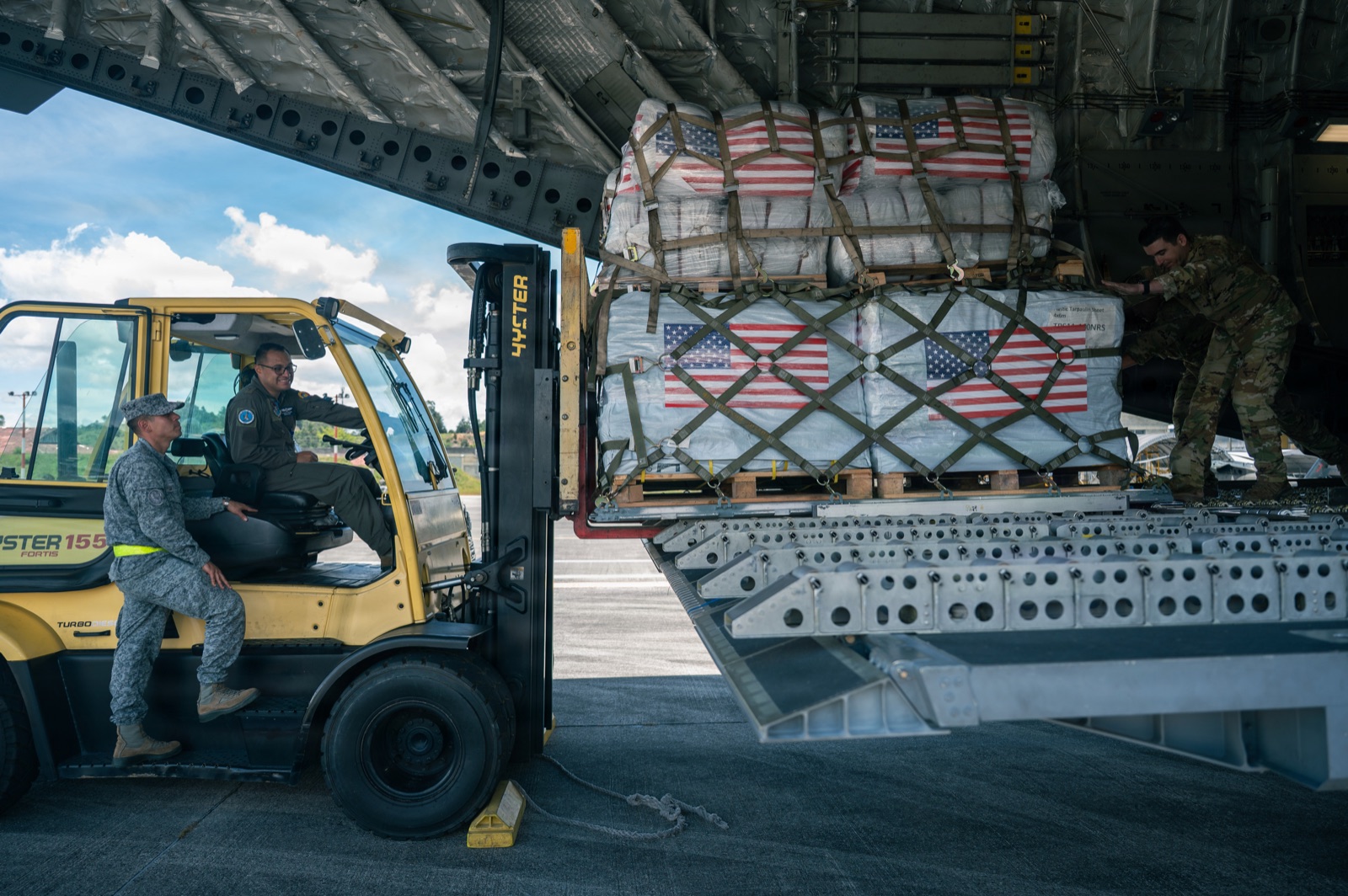
When an earthquake hit Colombia this month, the relief that arrived first came off the ramp of a military transport aircraft in Medellín, having been flown from a government disaster warehouse in Miami. That sentence contains the whole of the problem, and the part that matters is not the aircraft. It is the warehouse.
Airlift of this kind is the most expensive way to move a tonne of anything. A wide-body military transport costs multiples of the commercial freight rate per tonne-mile, flies with crews on standby rates, and frequently returns empty. Nobody in the logistics business would choose it for blankets, water containers and plastic sheeting, all of which are bulky, cheap, non-perishable and entirely predictable in what a disaster will require.
The cheap options all require paying for something that sits still
There are two well-understood alternatives and both work. The first is regional pre-positioning: warehouses of standard relief stock held close to where disasters recur, so the first movement is a truck drive of a few hundred kilometres rather than a transoceanic flight. The second is standby contracting, in which commercial carriers are paid a modest retainer to guarantee capacity within a set number of hours, and the retainer buys the right to bump other freight.
Both are dramatically cheaper per delivered tonne than emergency airlift. Both require a budget line that funds capacity which, in any given year, may do nothing at all. That is the obstacle, and it is political rather than technical.
Emergency appropriations, by contrast, are easy. They arrive after the event, attract no opposition, and are visible in a way that a warehouse lease is not. The result is a system that is chronically underfunded before a disaster and generously funded after one, which produces exactly the response pattern you would predict: the expensive option, because it is the only one that exists when the call comes.
The same asymmetry shows up wherever the useful expenditure is preventive. It is why disaster costs are quietly renegotiating the deal between states and their central government rather than being budgeted for in advance, and why the money in that argument is always about who reimburses rather than who prepares.
There is a second cost that does not appear in any ledger. Military airlift is a finite asset with other commitments, and every relief mission is an aircraft not doing something else, flown by crews whose hours are regulated. Using it as the default humanitarian carrier means the humanitarian system's throughput is set by a fleet that was never sized for it and is not funded by aid budgets at all — a cross-subsidy nobody has agreed to and no one accounts for.
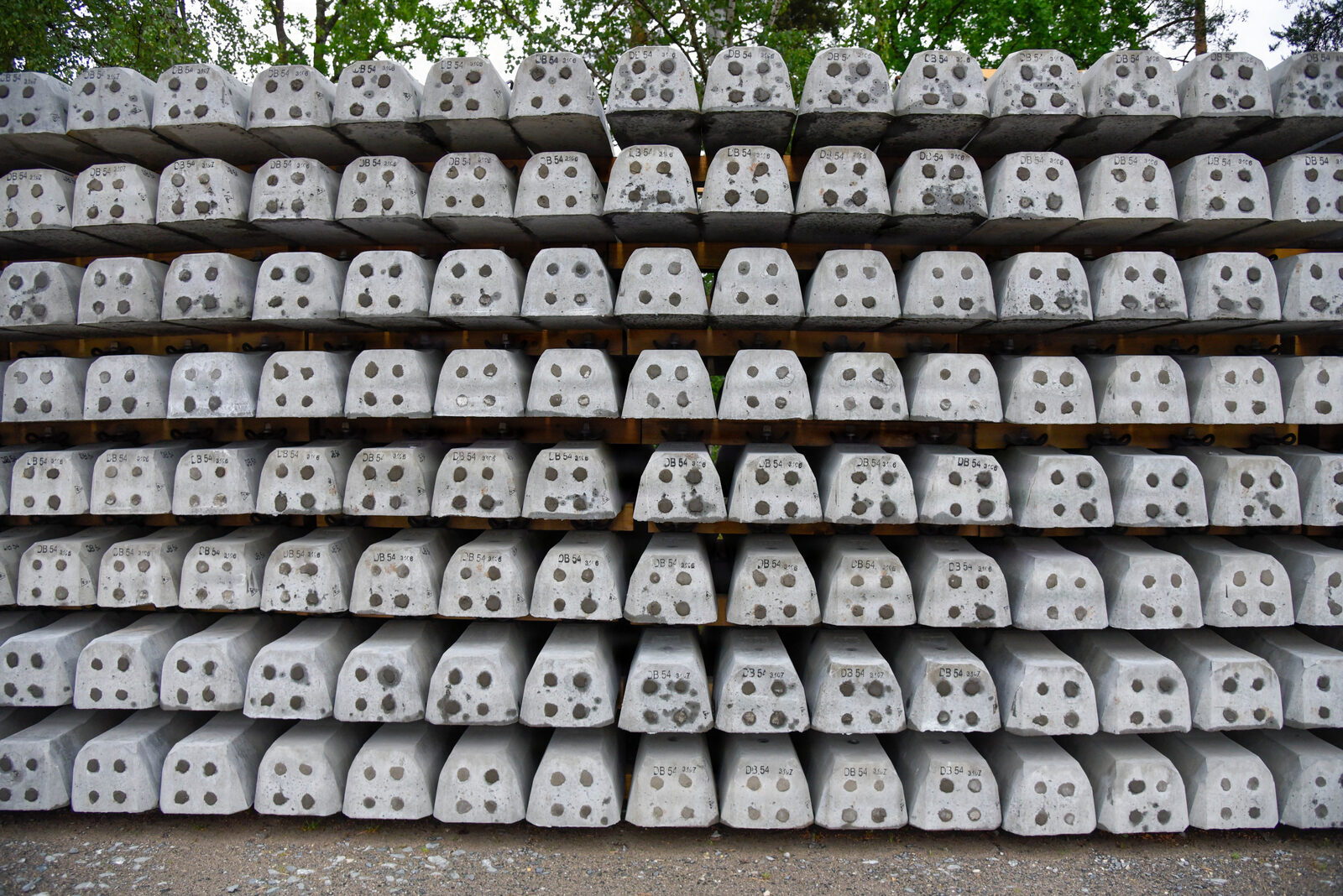
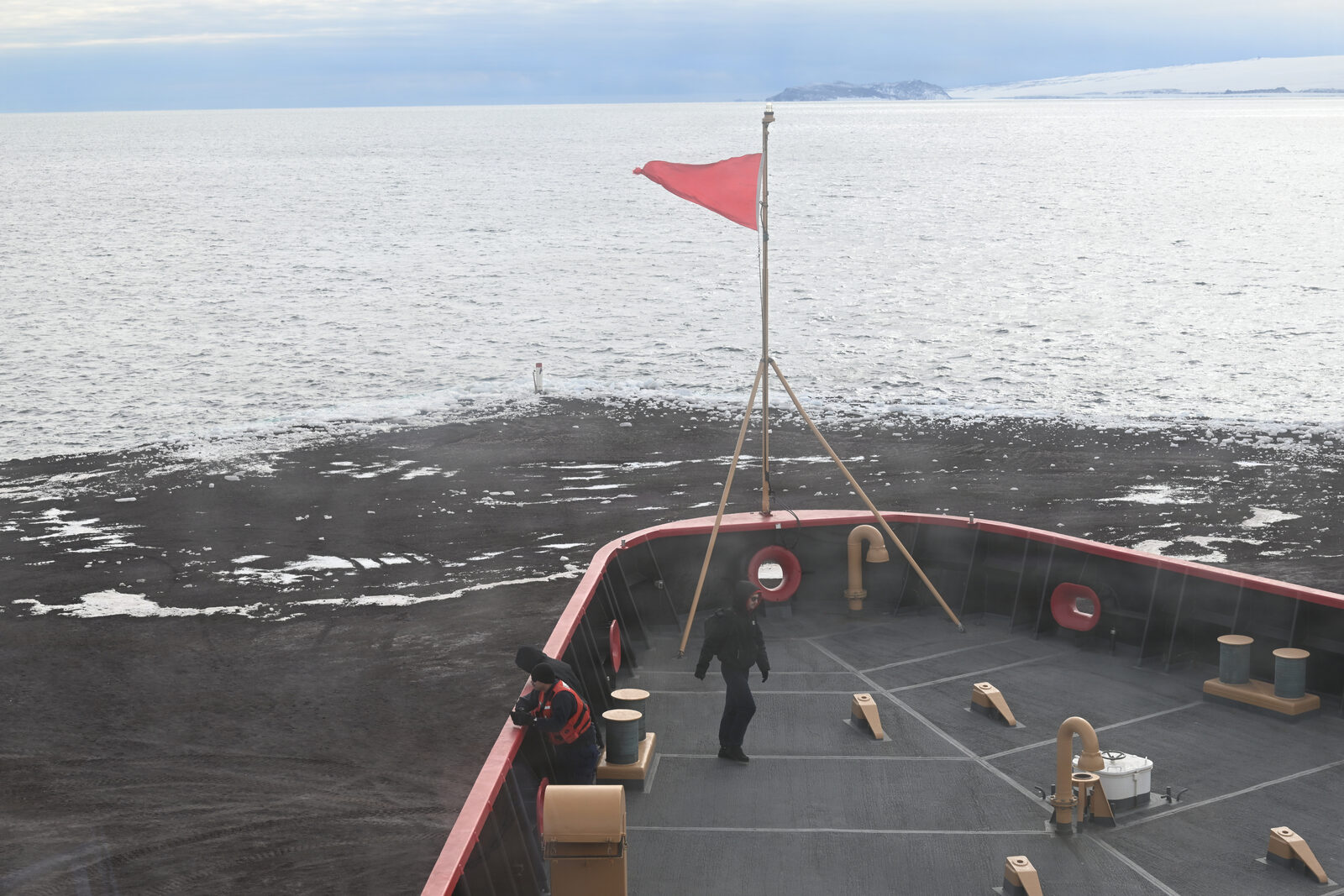
Where pre-positioning has been funded, the evidence is not ambiguous. Regional hubs run by aid agencies and by several governments have repeatedly cut delivery times while costing less than the airlift they displaced, and the reason they remain rare is that the savings accrue to a future budget while the cost lands in the present one. That is the same structural problem that leaves terminals unbuilt at the ends of well-maintained European rail lines and icebreakers unordered until the route already needs them: capacity that must exist before it is needed, funded by people who will not be in office when it is.
The Colombian shipment was competent, fast and exactly the right thing to do this month. It also flew roughly two and a half thousand kilometres to deliver supplies that a warehouse in the region would have put on a truck the same morning, and it did so because the warehouse was in Miami, and the warehouse was in Miami because that is where somebody, years ago, managed to get it funded.
Topics worldlogisticsprocurement