The industrial policy worked, in the narrow sense that it did what it was designed to do. Europe wanted cell manufacturing on the continent rather than importing every battery it installed, and it put subsidy, procurement preference and public equity behind that aim. Plants were announced, sites were chosen, and a fair number of them were built roughly on schedule.
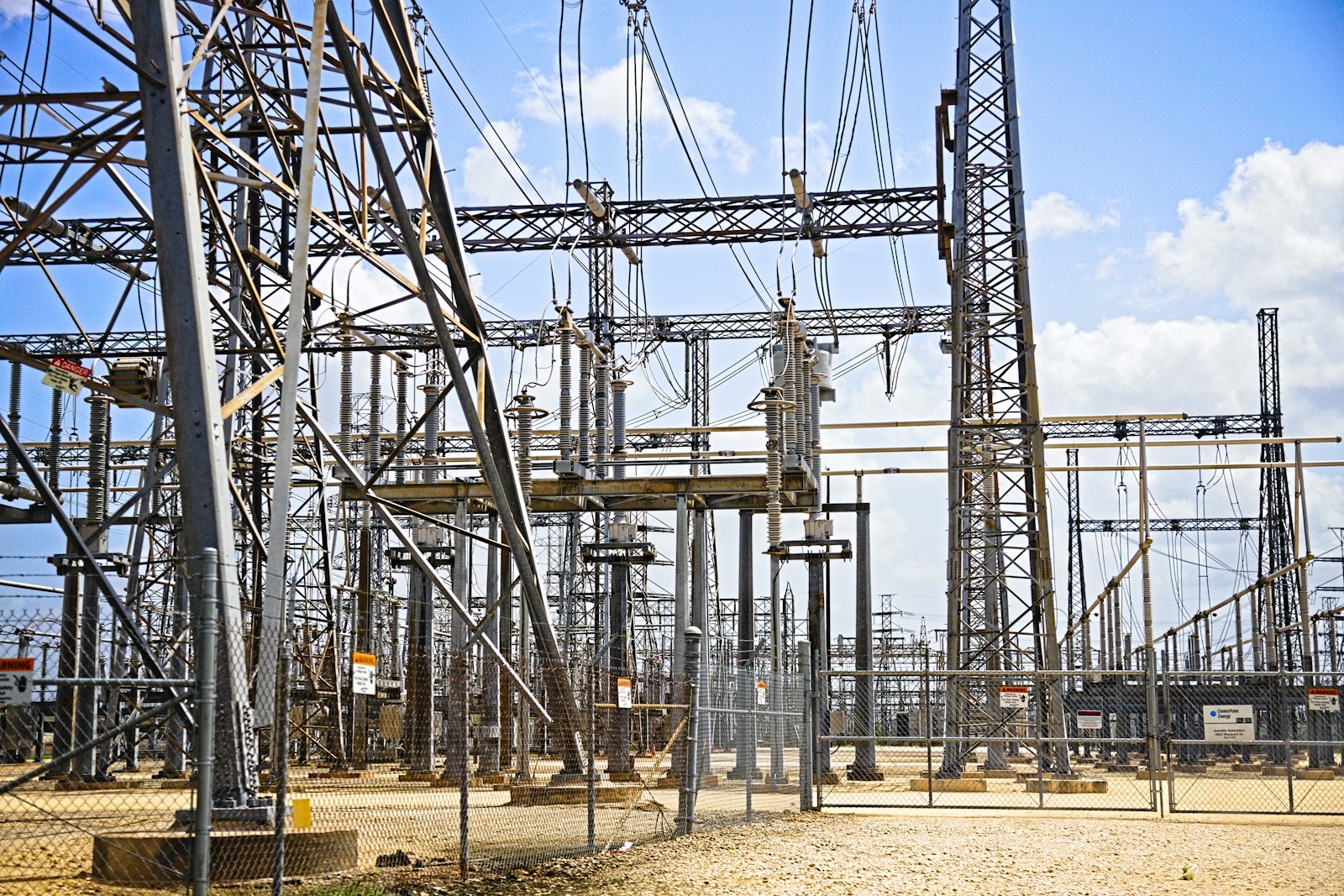
A battery factory is an enormous electrical load, and it is useless without one. The connection is not a formality attached to the end of construction; it is a separate project, with its own queue, its own regulator, and a timetable set by transmission planning that operates on a horizon of decades. On a good day in a well-served location it takes several years. In a congested region it takes considerably longer than the factory did.
Two schedules that were never reconciled
The mismatch is structural rather than accidental. Industrial subsidy is designed to move fast, because its political purpose is to demonstrate that something is happening, and it is measured in announcements and groundbreakings. Transmission investment is designed to move slowly, because its costs are socialised across every bill-payer and its planning has to be defensible for thirty years. Nobody built a mechanism to make the second respond to the first.
So the queue fills with projects that have their factory financing settled and their electricity unresolved, and the operator processes them in an order that was never intended to reflect industrial priority. A data centre, a battery plant and a housing development sit in the same line — and AI spending has moved from experimentation to infrastructure fast enough that the data centre is usually ahead of both. The grid operator is not permitted to prefer any of them, and in most jurisdictions would have no legal basis for doing so if it wanted to.
The workarounds are revealing. Some plants have contracted directly for private generation, which is expensive and only viable at scale. Others have phased production so that the first lines run at a fraction of design capacity, which destroys the unit economics the subsidy was justified by. A number have quietly relocated to sites chosen for grid headroom rather than for labour, logistics or proximity to customers — meaning transmission has become the location decision, having never been considered one, in the way the constraint on ports turned out to sit behind them rather than at the berth.
That is the part with the longest consequences. When connection capacity is the binding constraint, industrial geography reorganises around it, and it reorganises toward wherever the network happens already to be strong. That is rarely where the policy intended the jobs to go, and it is frequently the opposite of the regional development case that helped the subsidy pass.
The countries handling it best have done something unglamorous: reformed the queue itself. Removing speculative applications that were never going to be built, requiring financial commitment to hold a place, and allowing projects that are ready to overtake projects that are not. None of this adds a kilometre of cable, and all of it has produced faster connections than new construction would have in the same period — which is exactly the finding states have been reaching about their own approval processes, that the gap between funded and finished is mostly procedural.
The lesson generalises past batteries. Any industrial strategy that funds the factory and assumes the inputs will follow has quietly made a bet on infrastructure it does not control, and infrastructure keeps its own time. The gas terminals now renegotiating twenty-year contracts at year ten made the same category of assumption from the opposite end, about demand rather than supply, and are discovering it on a similar schedule.
Topics worldeuropeenergyindustrial policymanufacturing