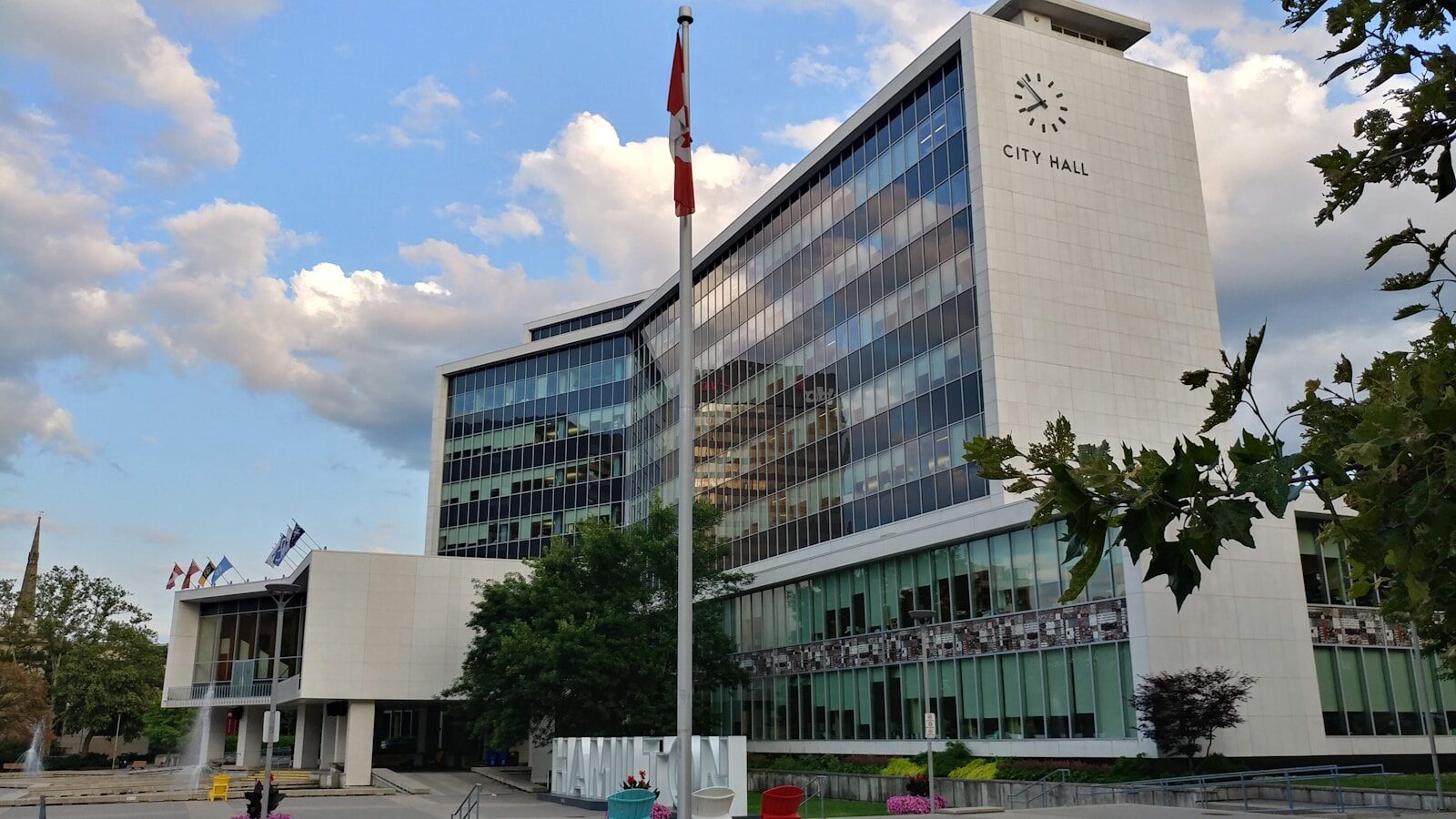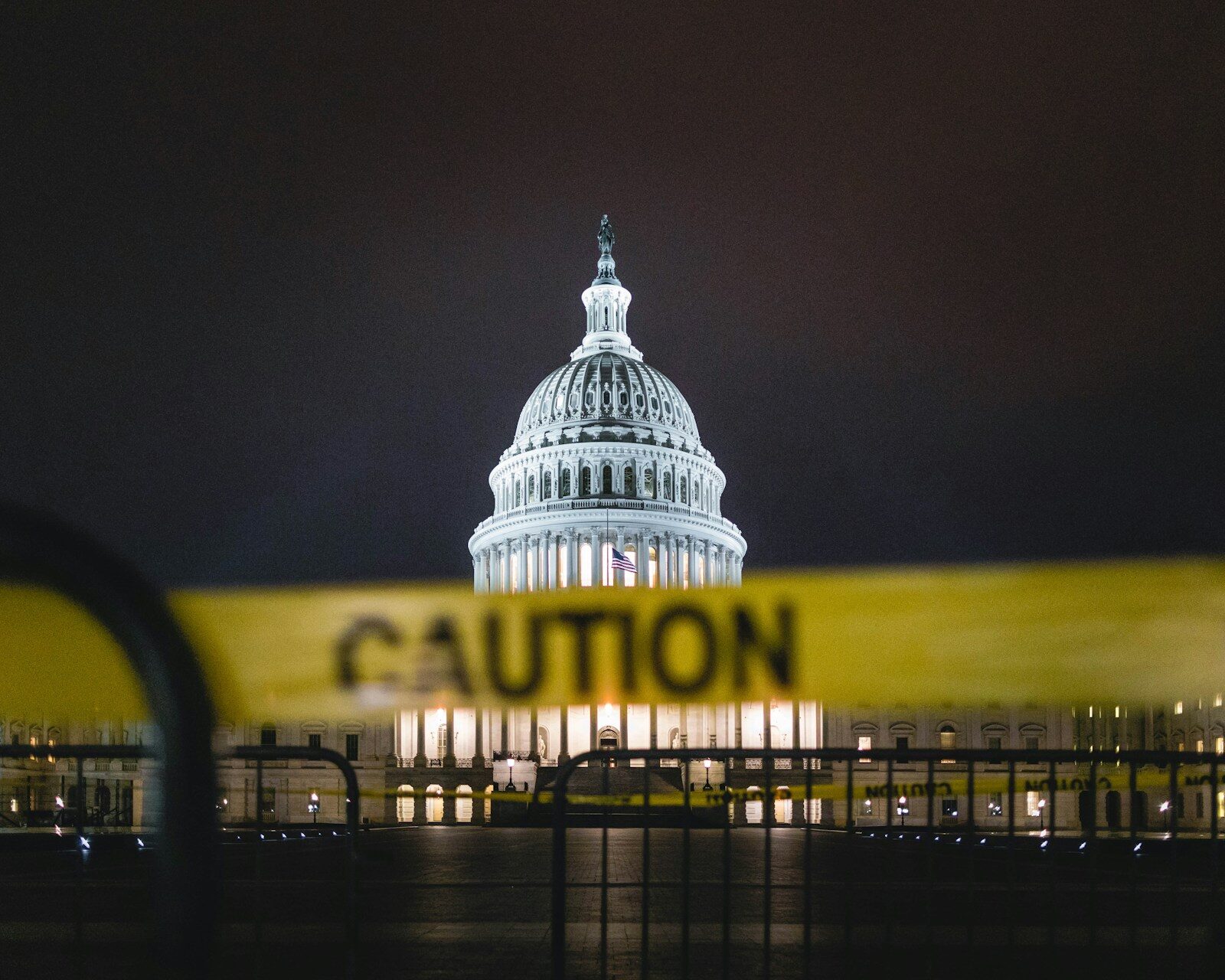
For a generation, American policy debates were fought over whether to fund things. A newer argument, quieter and more consequential, is about whether funded things can actually be built.
Legislatures in states across the political spectrum have taken up permitting and procurement reform, driven by an uncomfortable accounting: major appropriations passed years ago have produced far fewer completed projects than schedules promised, and the delays trace less to money or opposition than to sequential reviews, overlapping jurisdictions and litigation windows that operate on their own clock.
Reform that crosses the aisle
The measures share a family resemblance regardless of who sponsors them: consolidated reviews replacing sequential ones, statutory deadlines for agency decisions, categorical exclusions for projects in already-disturbed corridors, and shot clocks on legal challenges. Housing and energy are the leading test cases, because both have visible shortages and unusually long approval timelines.
Opponents raise a real concern, that accelerated review can shortcut the environmental and community protections the process exists to provide, and the early evidence suggests the design matters enormously. Reforms that shortened timelines while preserving substantive standards have drawn far less litigation than those that traded protection for speed.
What has changed most is the framing. Administrative capacity, once dismissed as a technicality for public administration seminars, is now treated as a first-order determinant of whether policy exists in the world or only in statute. The modernization of legacy public systems belongs to the same reckoning: government's constraint has become execution, and execution is finally being measured.
Topics national newsinfrastructuregovernmentpolicy