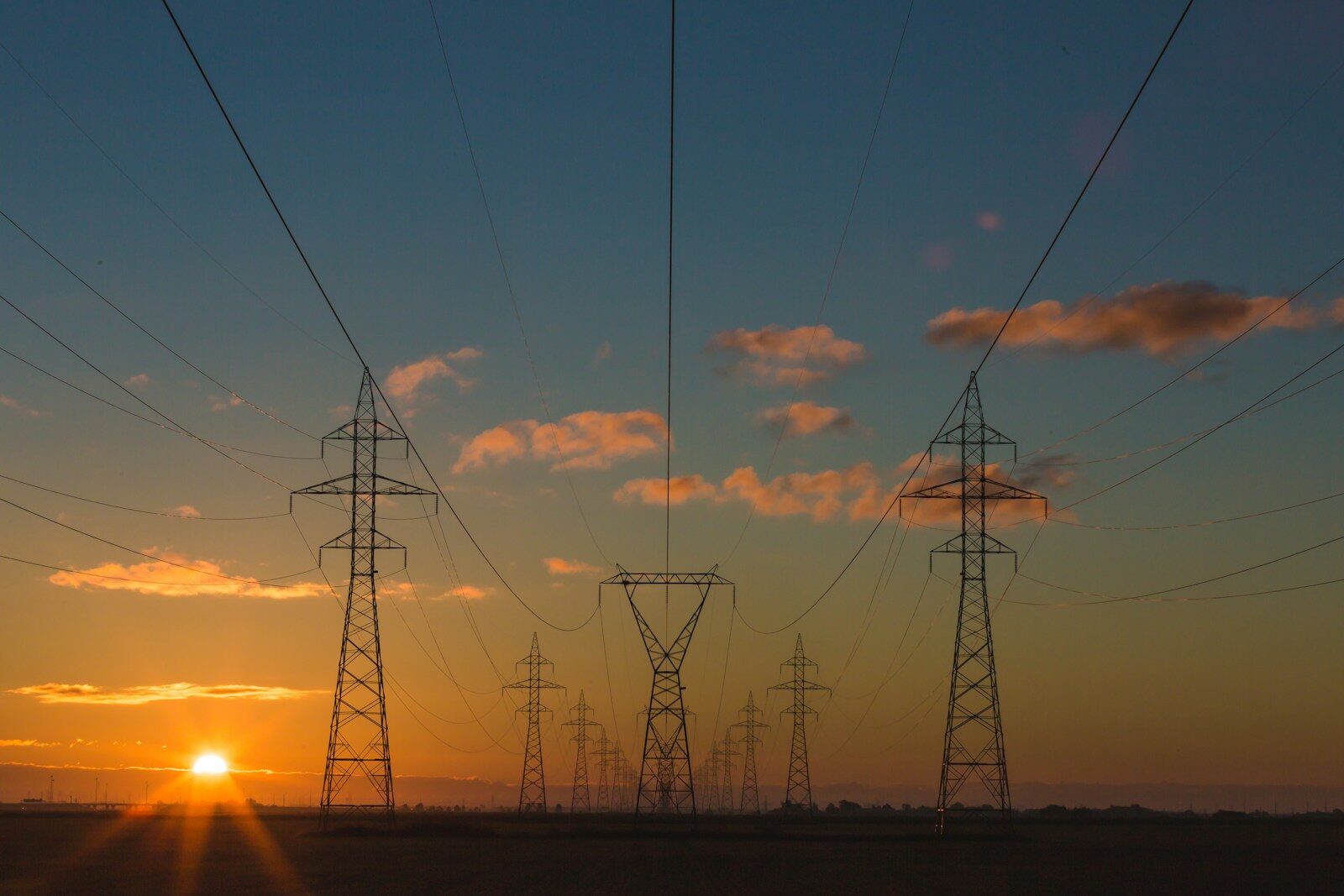
Ask anyone building AI capacity what stops them and the answer has been the same for two years: power. It is a good answer. Interconnection queues are long, published, and measurable to the megawatt, which is why this publication has written about them more than once.
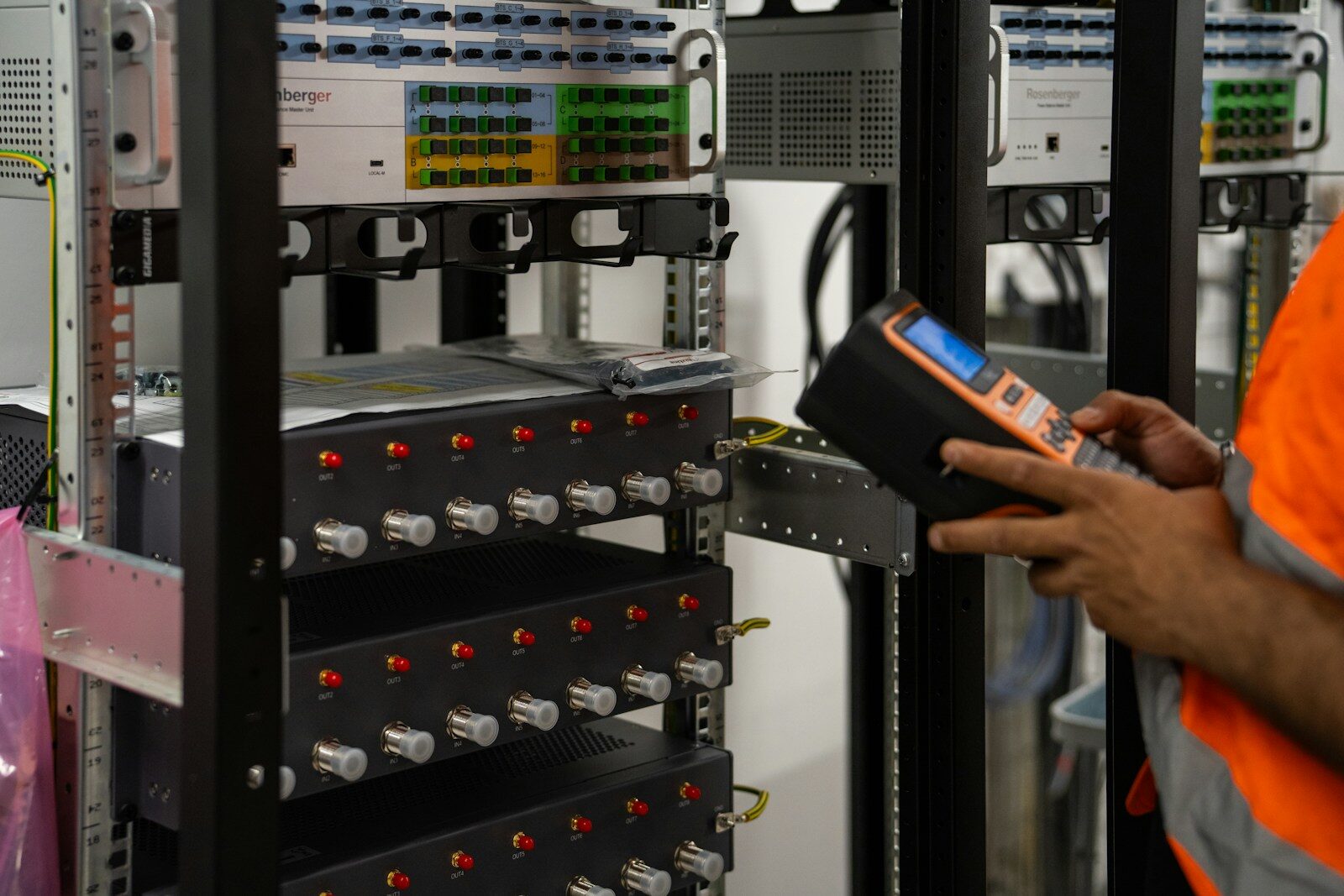
It is also an answer about the wrong end of the project. A data centre is a procurement exercise long before it is an electrical one. The accelerators, the networking, the transformers and switchgear inside the building — all of that is ordered, priced and scheduled while the grid connection is still a position in a queue. A project can survive a slow interconnection by waiting. It cannot survive being unable to buy what goes inside.
The queue you can see is behind the one you cannot
The distinction matters because the two constraints behave differently. A grid queue is slow and legible: you know your position, you know roughly what it means, and you can plan against it even when the answer is four years. Hardware supply under an unsettled tariff regime is neither. It moves on announcements, its scope is defined after commitments have been made, and it prices retroactively in the sense that the equipment you ordered may cost something different by the time it clears.
That is the situation the semiconductor buildout is now in, where a construction deadline and an undefined tariff scope are running against each other and the safe response to both is to stop. Anything that slows fab construction slows the supply of the parts a data centre is queuing for, which means trade policy has quietly moved in front of the grid in the order of things that determine whether capacity arrives.
None of this contradicts the power story. The interconnection queue is still the binding constraint on the megawatts, and utilities are still extending the life of plants they meant to retire. But a constraint that is four years out and knowable is a planning problem. A constraint that is eighteen months out and unknowable is a decision problem, and decision problems are what stop projects.
It also explains a pattern that otherwise looks like exuberance. When spending moves from experimentation to infrastructure, the buyers stop behaving like technologists and start behaving like industrial purchasers: ordering early, over-ordering, paying for optionality, and holding inventory that a software business would never carry. Read as enthusiasm, that looks irrational. Read as procurement under supply uncertainty, it is exactly what a rational buyer does when the thing they need has a lead time and a policy risk attached.
The corollary is that the more exotic escapes get their appeal from the wrong constraint. The case for putting compute in orbit rests on treating power as the thing that cannot be solved, when the harder near-term problem is that the hardware itself is caught between a construction deadline and a tariff schedule — neither of which is improved by moving the racks somewhere with no atmosphere and no technicians.
The useful question for anyone modelling this is which clock they are actually on. If the answer is the grid, the plan has four years of visibility and a queue position to manage. If the answer is supply, the plan depends on decisions that have not been published yet, and no amount of megawatts secured in advance will substitute for the machines that were never built.
Those orders land somewhere, and the somewhere is now visible in national statistics: one number, two economies, and a policy aimed at neither.
Topics aidata centressemiconductorsinfrastructureprocurement