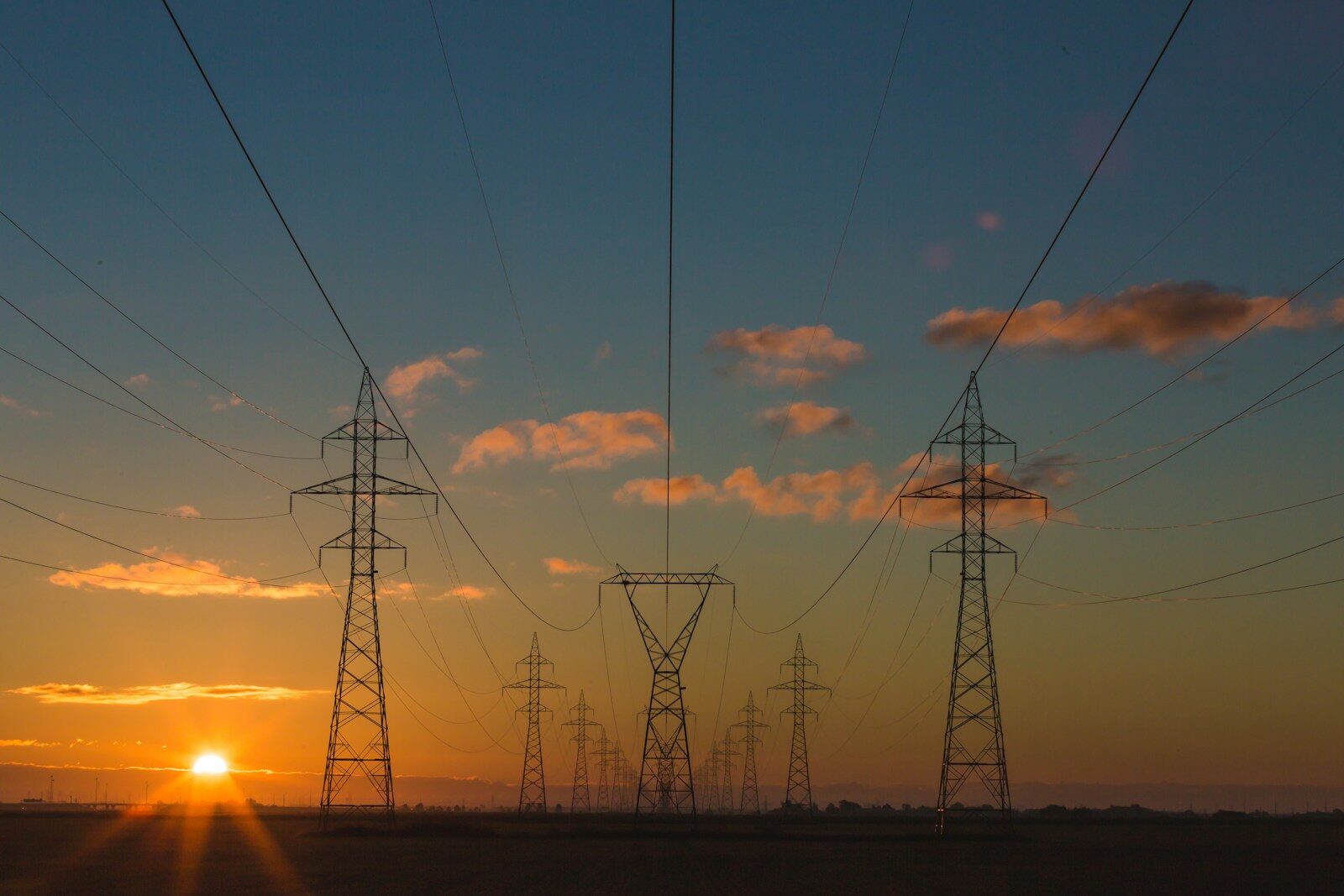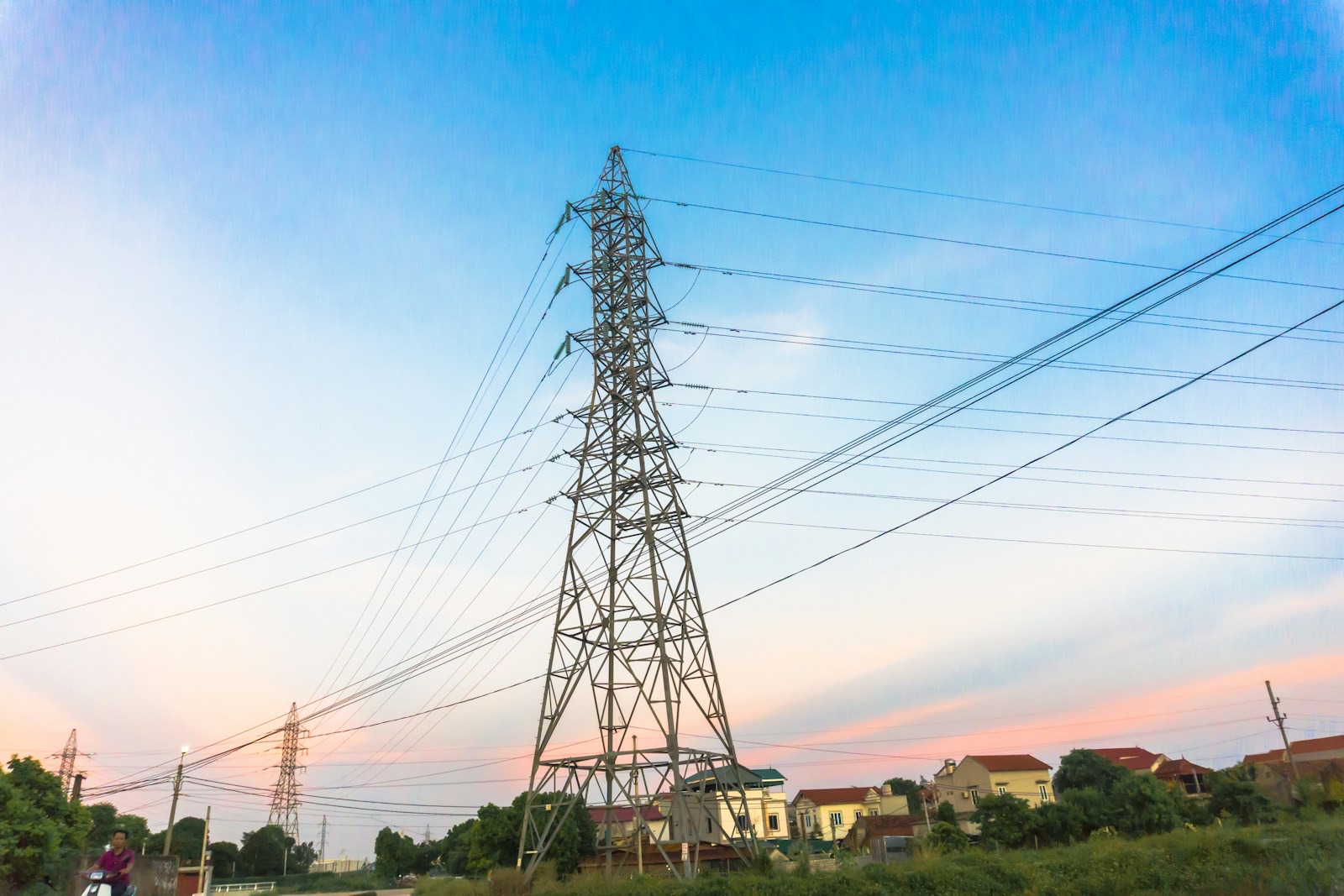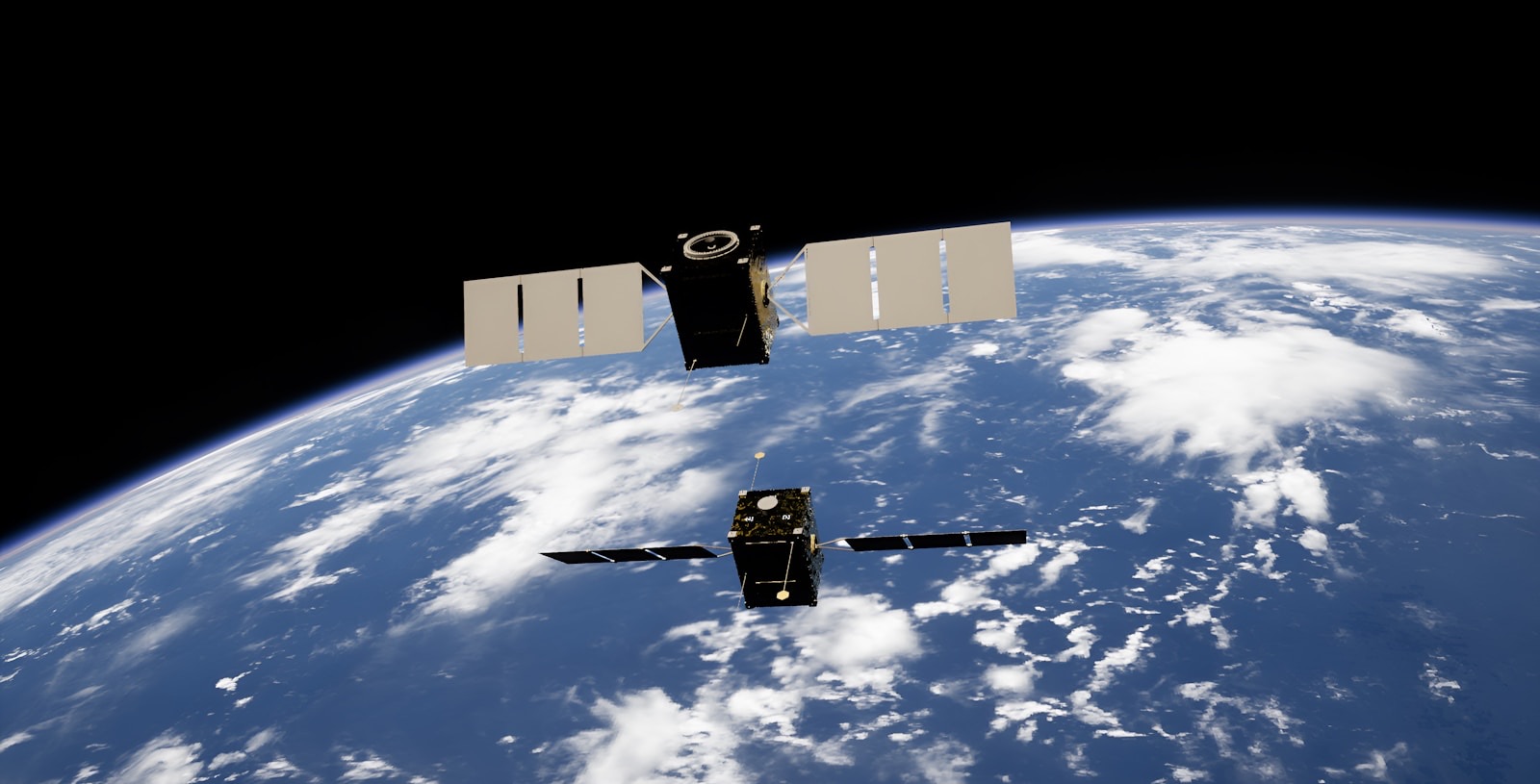
The case for putting a data centre in orbit is not really a case about space. It is a case about waiting. On the ground, a large new facility joins a queue for a grid connection and then sits in it, and the queue has become the binding constraint on new capacity in a way that no amount of capital shortens. Money is abundant. Interconnection is not. When a constraint cannot be bought, capital starts looking for a way around it, and orbit is being sold as the way around it.
The pitch is clean enough to repeat from memory. Above the atmosphere the sun does not set on the right orbit and is not filtered by air, so power is continuous and free after launch. No transmission lines, no substation, no utility, no queue. The physical plant is solar panels and racks, and the thing that took seven years on the ground takes a launch window.
Everything in that paragraph is true. It is also an answer to the wrong question.
The problem was never getting energy in
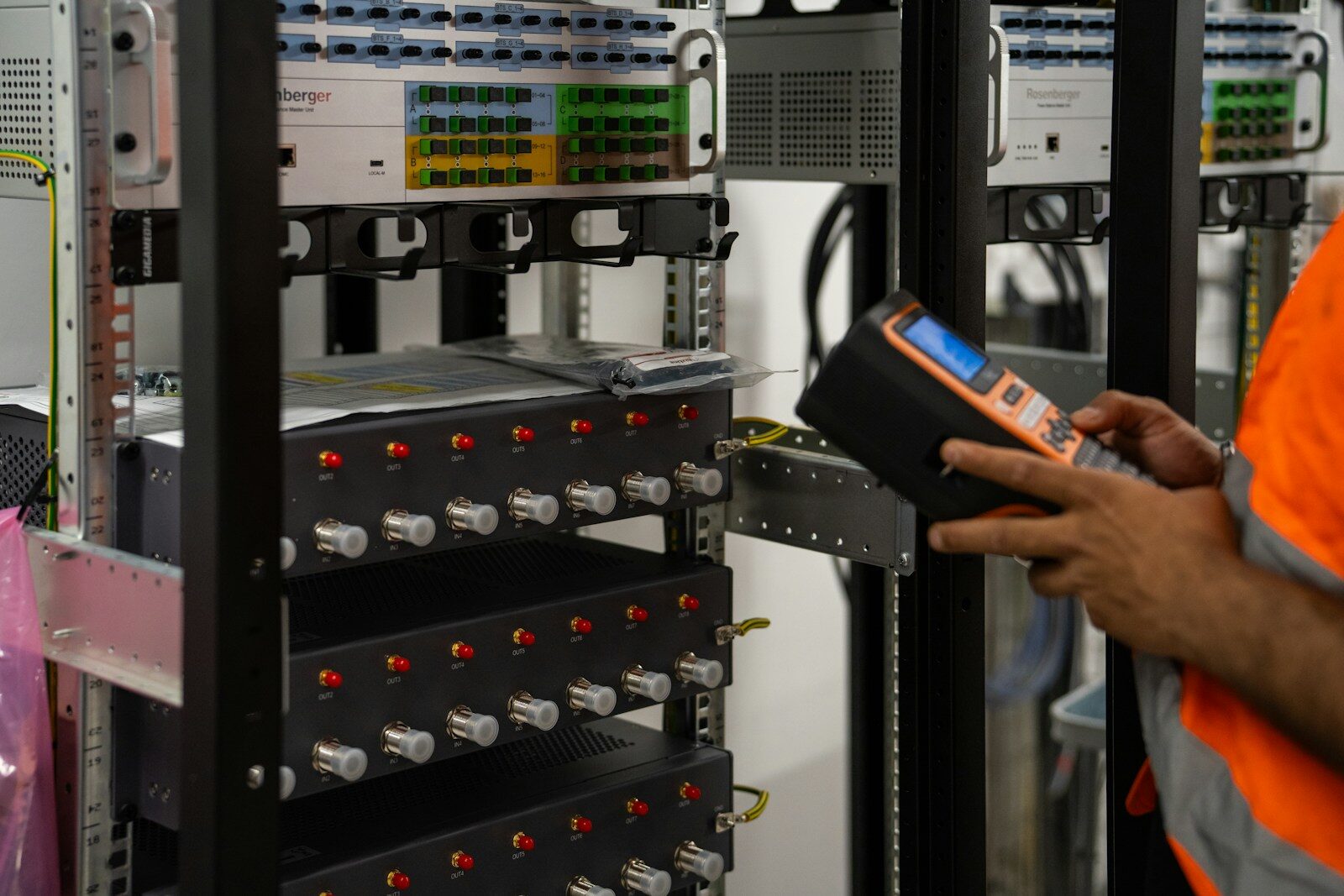
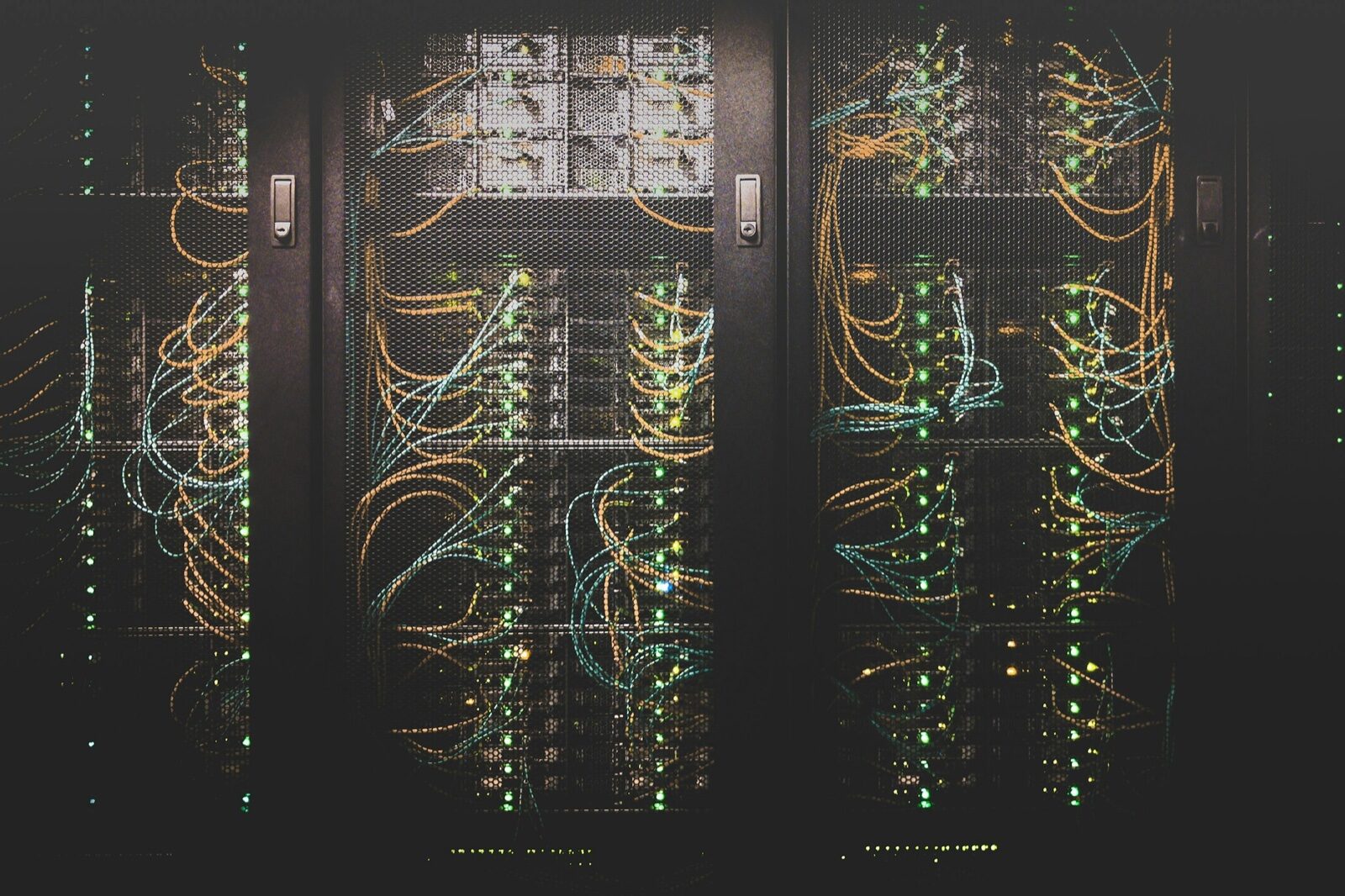
A data centre is not a device that consumes electricity. It is a device that converts electricity into heat, at almost exactly one hundred per cent, and then has to put the heat somewhere. On Earth this is tedious but well understood: air moves across a hot component, water moves the heat to a chiller, a cooling tower hands it to the atmosphere. Every step relies on a fluid touching something and carrying warmth away.
Vacuum has no fluid. Convection does not exist there, and conduction ends at the edge of the spacecraft. The only mechanism left is thermal radiation, which is the weakest of the three and gets weaker fast as the radiating surface cools. Hot things radiate efficiently; a rack running at ordinary server temperatures is not, in the relevant sense, hot. Shedding low-grade heat by radiation alone demands enormous surface area, and that area has to be launched, deployed, pointed away from the sun, and kept from being shadowed by the solar arrays collecting the power that created the heat in the first place.
This is why the International Space Station carries large dedicated radiator panels and pumped ammonia loops to serve a power budget that would not run a modest server room. The engineering is solved in the sense that it works. It is not solved in the sense that it scales cheaply to megawatts.
Then there is everything that follows from being unreachable. Hardware fails on a schedule; on the ground a technician swaps a drive, and in orbit the replacement is a launch, which means either flying redundancy you have already paid to lift or accepting that capacity degrades permanently. Radiation drives soft errors that terrestrial machines never budget for, which costs shielding mass and error correction. And the data has to come down through a radio link with a hard ceiling and a ground station that is not always overhead — a constraint that gets sharper as inference costs move from footnote to line item and workloads become chatty rather than batched.
None of which makes orbital compute absurd. There are real workloads for it: processing sensor data where it is generated, so that only conclusions come down rather than raw imagery. That is a genuine and unglamorous business.
What it is not is an escape hatch. The spending has moved from experimentation to infrastructure, and infrastructure is where physics starts setting prices instead of enthusiasm. The same pattern already ran in Europe, where the battery plants were funded and the grid connections were not: the money found the fashionable half of the problem and left the boring half unbuilt. A seven-year interconnection queue is a bad constraint. It is still a smaller one than the second law of thermodynamics, and the queue, unlike the physics, eventually clears.
Topics aidata centresenergyinfrastructure