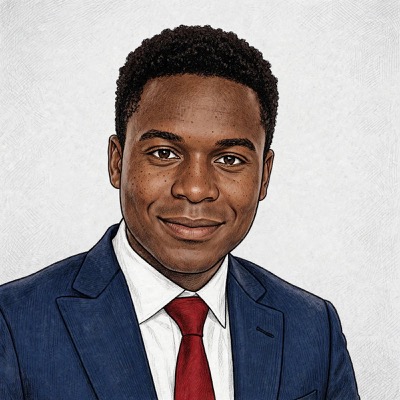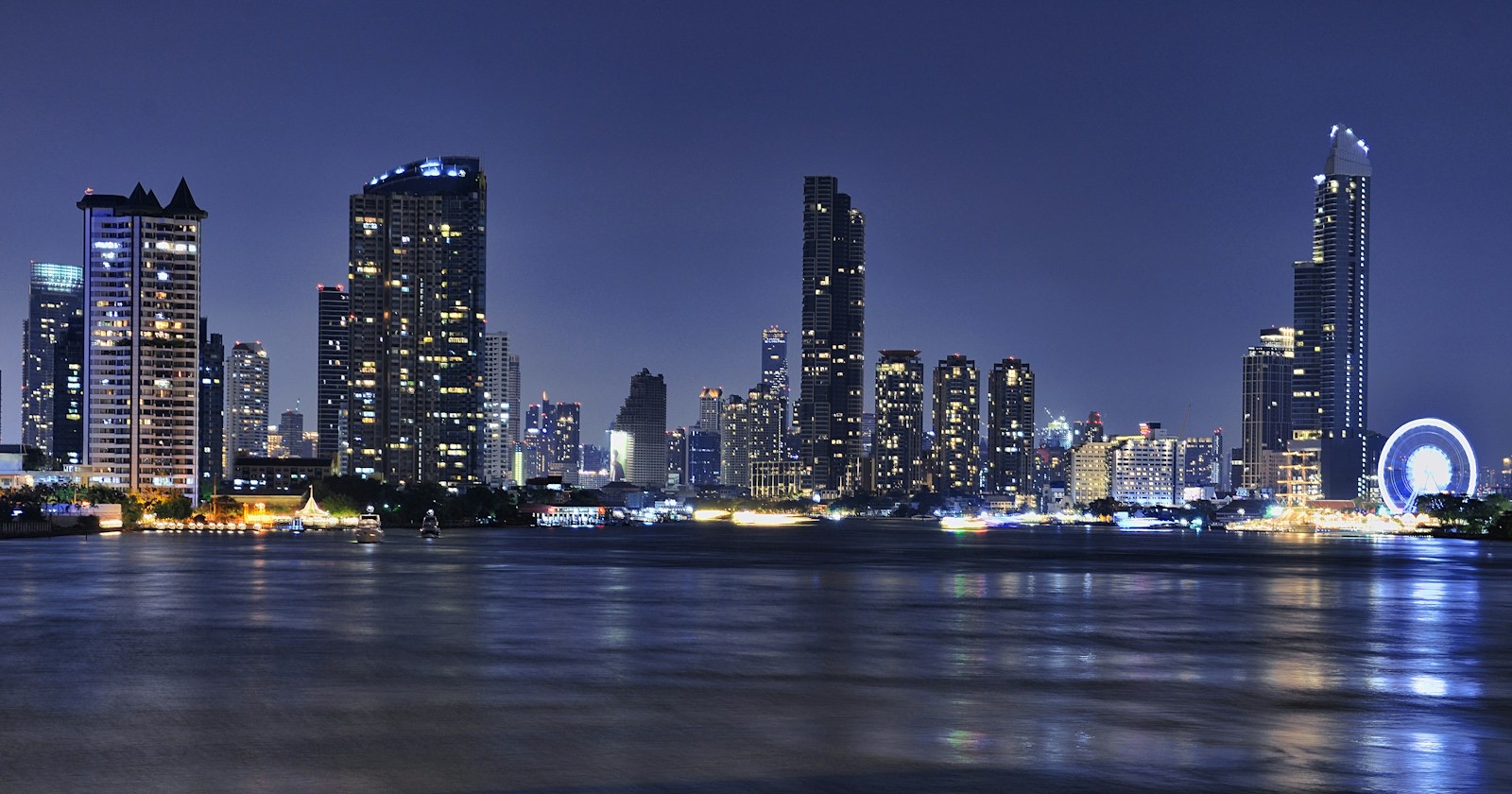
Kevin Warsh, chair of the Federal Reserve, used his last scheduled public appearance before the 28 October rate decision to decline to say what the decision will be. "I don't prejudge meetings," he told the International Monetary Fund and World Bank annual meetings in Bangkok on Friday, Euronews reported. He said the world had "broadly conformed" to the Fed's expectations since September.
What he did say was about the shape of the economy rather than the rate. The Fed's quiet period, which bars officials from discussing policy, starts on Saturday and runs until after the meeting, according to the same report.
What he said
Warsh called AI "probably the most consequential change" for the U.S. and global economies in his lifetime. He said he expects a "huge benefit" over time, but that the road is "likely to be a very bumpy one." On measurement, he said: "we torture data with old-fashioned models. Not so long from now, it won't be torture." He also said he was "not sure I would have predicted five or six months ago" how resilient the economy has been, and described an investment surge that "isn't just AI."
On policy he was brief. "At the Federal Reserve, we made very clear that we would deliver price stability," he said, describing the rate rises across central banks as a "synchronous tightening" with "no free riders," according to Euronews.
The numbers around the room
The Fed raised rates a quarter point to 3.75 to 4 per cent in September, its first hike since July 2023, Euronews reports. Consumer prices rose 3.7 per cent in the year to September, up from 3.4 per cent in August, with core inflation at 2.6 per cent, and wholesale prices were up 6.3 per cent from a year earlier, the most since 2022. Euronews also reports that the economy added just 29,000 jobs last month and that the 10-year Treasury yield is above 5 per cent. This publication has covered the core reading and the Treasury's pressure at the long end separately.
The market's reading has been unsteady. Euronews, citing CME FedWatch in its 16 October report, said the odds of an October hike jumped from about 22 per cent to about 50 per cent after Wednesday's inflation data, then eased to about 30 per cent, and that markets put the chance of a December hike at about 90 per cent. Other outlets reported different October figures at different points in the week. Futures pricing moves by the hour, and those are Euronews's numbers at the time it wrote.
What the committee has said
The minutes of the September meeting showed that most officials expect another hike this year, and noted that data centre construction had pushed up the cost of chips, computer equipment and electrical components, Euronews reports. John Williams, president of the New York Fed, told Bloomberg that "it may be appropriate to have one more rate hike," while seeing no need for more in 2027, as Euronews quotes him. Governor Michelle Bowman said at the Bangkok meetings that she felt no urgency to act.
That is a committee leaning toward one more move, with its chair declining to say when. By this publication's reading, it is not split on direction. The disagreement is about timing, and about how much of the price pressure is a supply problem that rates cannot reach.
The AI argument and its limits
The framing Warsh chose is not neutral. If AI investment is a demand shock that arrives before the capacity it builds, higher rates are an answer to the demand. If the price pressure is mostly energy and imported inputs, they are a weaker one. Euronews notes that energy prices have soared since the U.S. and Israel went to war with Iran in late February.
Elsewhere at the meetings, the IMF's managing director, Kristalina Georgieva, compared AI to a car that could leave the track. "We are racing, and the question is how do we put barriers? So if a car was to fly out it doesn't kill people," she said, according to the Associated Press. Jack Clark, a co-founder of Anthropic, who was on the panel, said: "I think it's worse than you describe. I think it's Formula 1 at night without maybe brakes in the cars." The IMF nudged its 2026 global growth forecast up to 3.1 per cent while saying the risks are tilted to the downside, Euronews reports.
What to watch
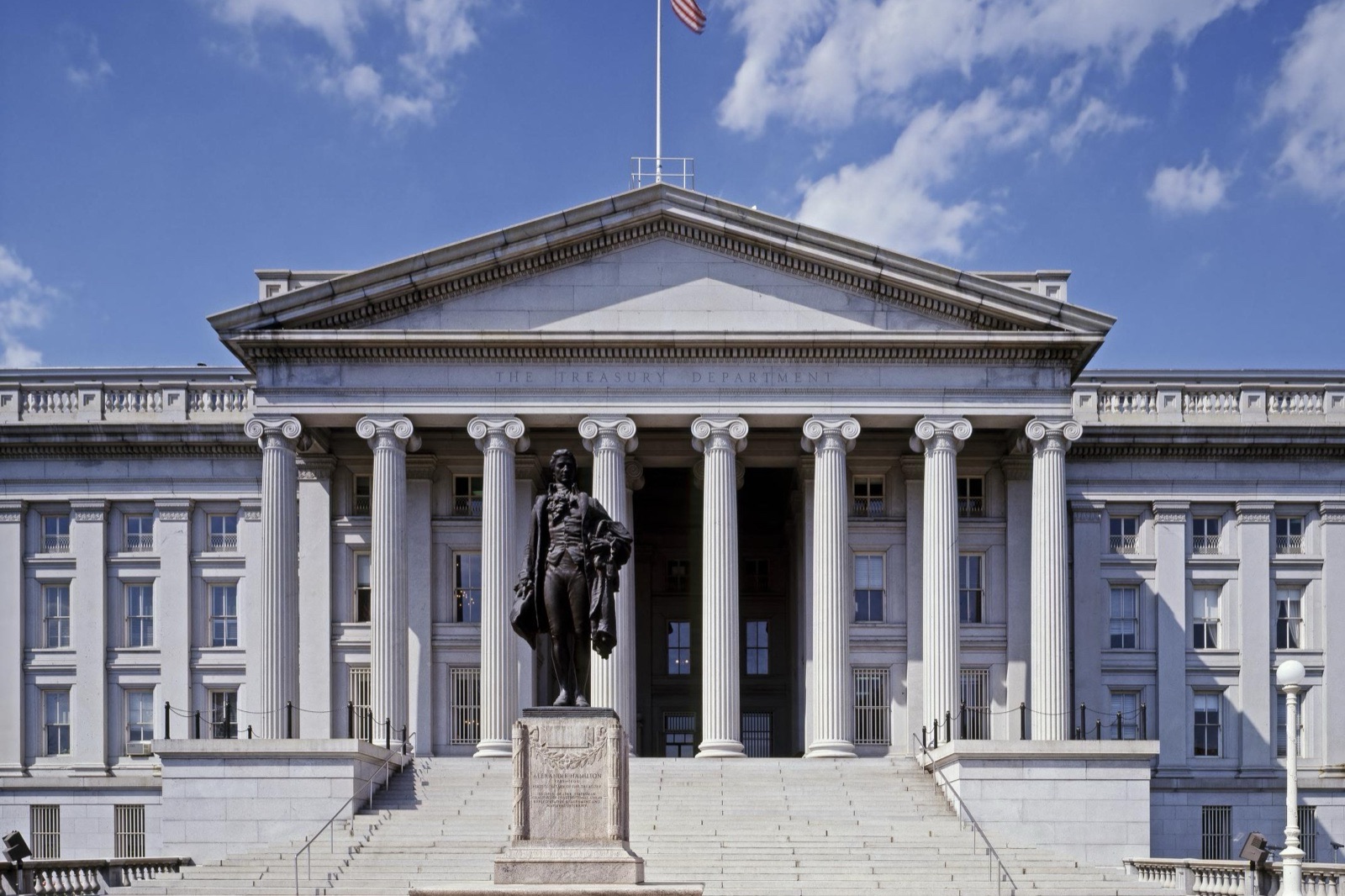
The first test is the 28 October decision and the wording of the statement, followed by Warsh's press conference, his next chance to speak. The second is whether the next inflation report shows 3.7 per cent as a peak or a base. The third is the Treasury's quarterly refunding in early November, where decisions on long-dated issuance meet a 10-year yield above 5 per cent. A chair who will not prejudge a meeting has handed the call to the data, and the data has not been kind to forecasts.
Sources
- Euronews, report on Warsh's remarks in Bangkok, 16 October 2026: https://www.euronews.com/2026/10/16/feds-warsh-sees-ai-boosting-productivity-but-gives-no-signal-on-next-rate-hike
- Associated Press via PBS NewsHour, IMF and World Bank meetings focus on global risks and potential benefits of AI, 16 October 2026: https://www.pbs.org/newshour/world/imf-world-bank-meetings-focus-on-global-risks-and-potential-benefits-of-ai
Warsh's remarks, the CME FedWatch odds, the Williams and Bowman comments, the September minutes and the economic data come from a Euronews report by Quirino Mealha of 16 October 2026. Market odds moved sharply during the week and other outlets reported different figures at different times; the ones given here are Euronews's, as of its report, and will have moved since. Kristalina Georgieva's and Jack Clark's remarks come from an Associated Press report by Elaine Kurtenbach published by PBS NewsHour on 16 October. A refunding date reported only by a machine-translated Korean outlet has been left out. Jack Clark is a co-founder of Anthropic, which makes the Claude AI models. The analysis is our own.
Topics marketsFederal ReserveKevin Warshinterest ratesinflationAIIMF