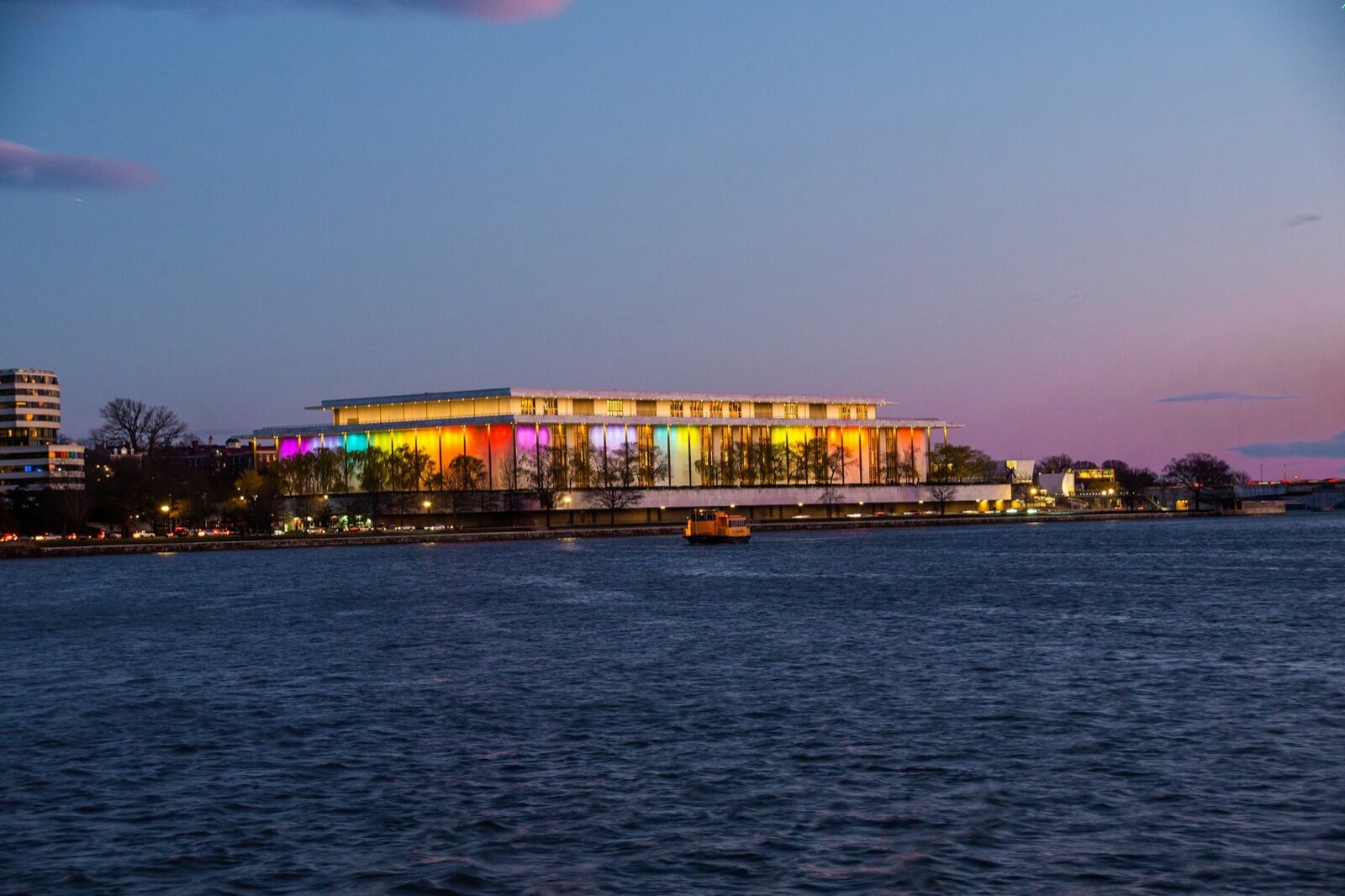
The performing arts coverage of the last few years has been a closure narrative, and for the professional regional houses it has largely been accurate. Subscription bases aged out, touring costs rose faster than ticket prices, and several institutions that had operated for decades did not survive the combination.
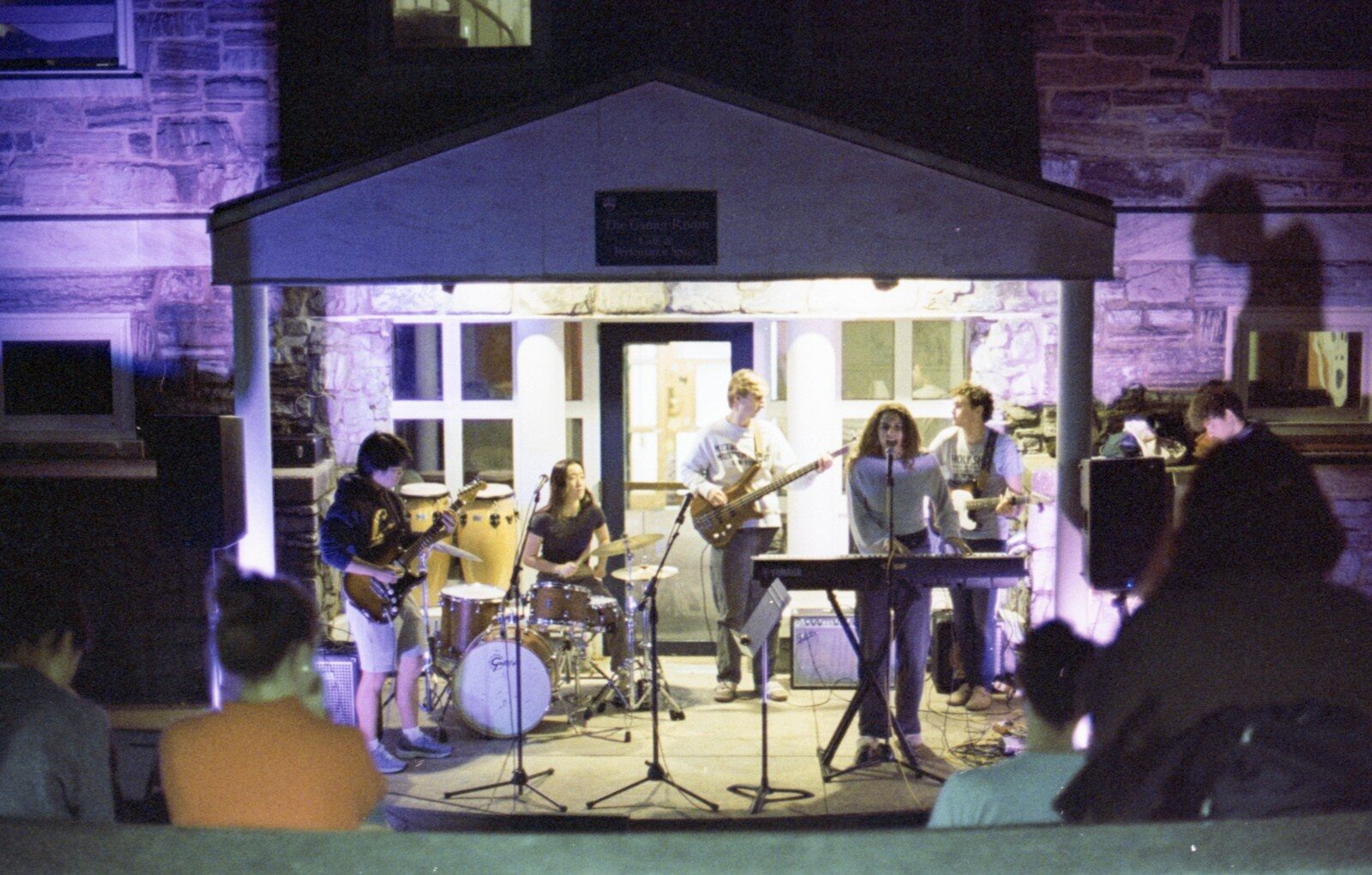
One tier below, something less expected happened. Community and semi-professional companies — the ones with a volunteer chorus, a rented hall and a part-time administrator — came through it, and a number are in better shape than they were before.
A cost structure that bends
The explanation is unromantic and almost entirely structural. The largest expense in professional theatre is people, and community theatre does not pay most of its people. When receipts fall, a professional house faces contracts it must honour; a community company stages something with a smaller cast.
Its second-largest expense, the building, is frequently not a market rent. These companies operate out of school auditoria, church halls, converted civic buildings and municipally owned theatres at subsidised rates, which means the fixed cost that sank the professional houses is the one they do not carry.
There is also a demand pattern the sector underestimated. The audience for a local production is substantially the cast's own network — families, colleagues, neighbours — which is a base that does not behave like a subscription list and does not decline with the same demographics. Every production assembles a new audience because it assembles a new cast.
What has changed is the ambition rather than the economics. Companies that once staged safe titles are programming more demanding work, partly because the people who trained professionally and left the industry are available locally, and partly because they no longer need a hit to survive the year.
The civic dimension is doing quiet work too. A company operating in a municipal building is a tenant a council can point to, which places it in the same category as the library as the last free room in town and increasingly gets it treated as infrastructure rather than as an arts grant. Several have been written into town centre plans on that basis.
Towns that treat it as economic development have found the returns modest but real. A four-night run brings several hundred people into a centre on evenings when nothing else does, and the restaurants either side of the hall notice — the same accounting that has turned the local festival into a line item, at a fraction of the cost and running most of the year rather than one weekend of it.
The pattern rhymes with what has happened in music, where small venues rebuilt the middle of the business after the large operators consolidated. In both cases the resilient layer is the one with the lowest fixed costs and the tightest relationship to a specific place.
The fragility that remains is specific and worth naming: these companies depend on a small number of people who do the unglamorous work. One person usually holds the lighting knowledge, one holds the relationship with the council, one holds the accounts. Lose two of them in a year and a solvent company can fold anyway, which is a succession problem of exactly the kind a business would recognise and almost none of them have addressed.
None of which is a happy ending for the professional sector, and it would be a mistake to read it as one. A community company cannot do what a resident professional ensemble does, and the training pipeline that produced its more capable volunteers runs through institutions that are still closing. The tier that survived is genuinely healthy. It is also, increasingly, the only tier left in a lot of towns.
Almost all of it happens in a room the district owns: the school auditorium is the town's only theatre.
Topics culturearts funding