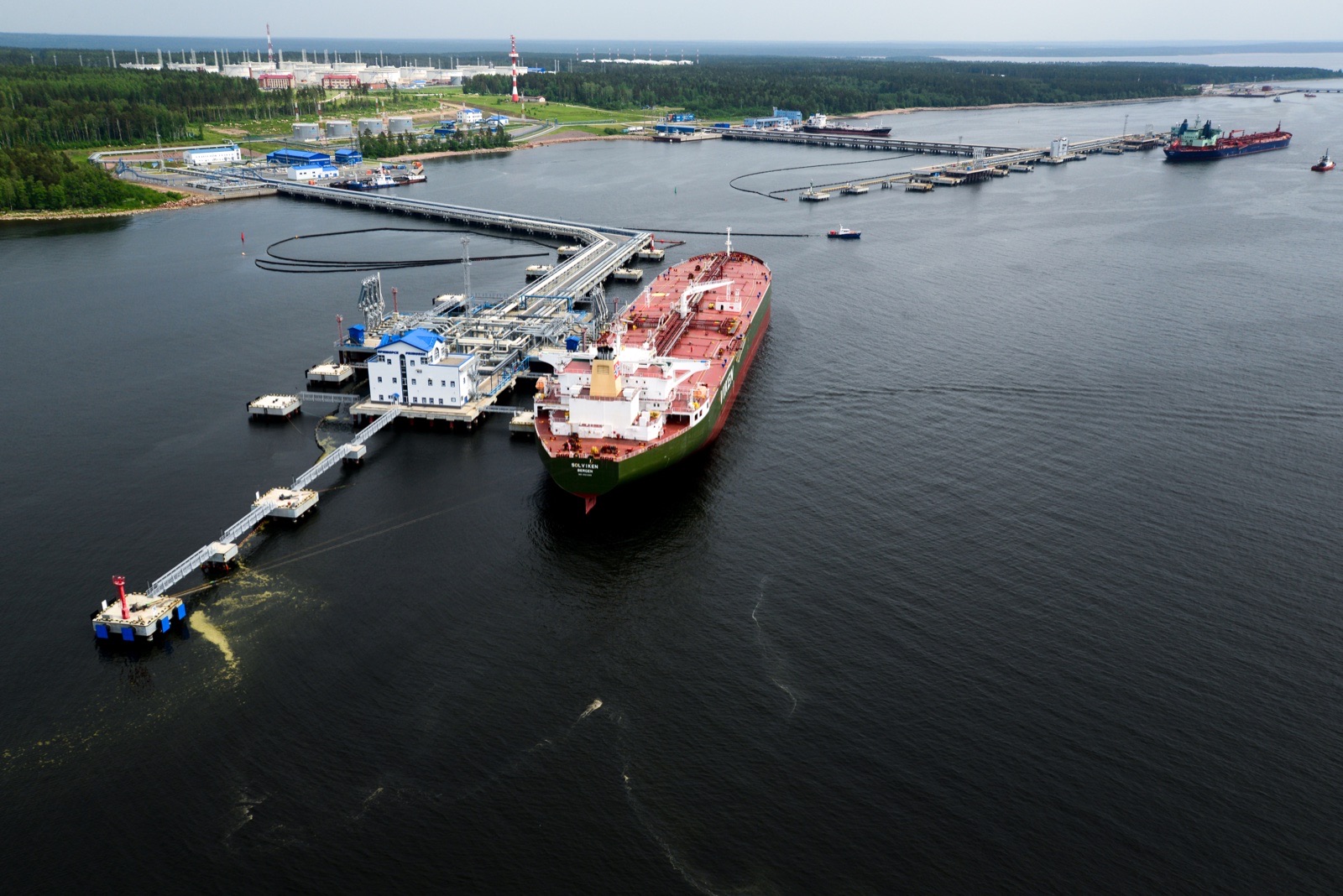
A ship tied up at a pier does not stop burning fuel. It still needs lights, air conditioning and refrigeration, and on most vessels that power comes from the ship's own diesel generators. At Marine Corps Support Facility Blount Island in Jacksonville, Florida, the Marines are about to give one berth an alternative: a plug.
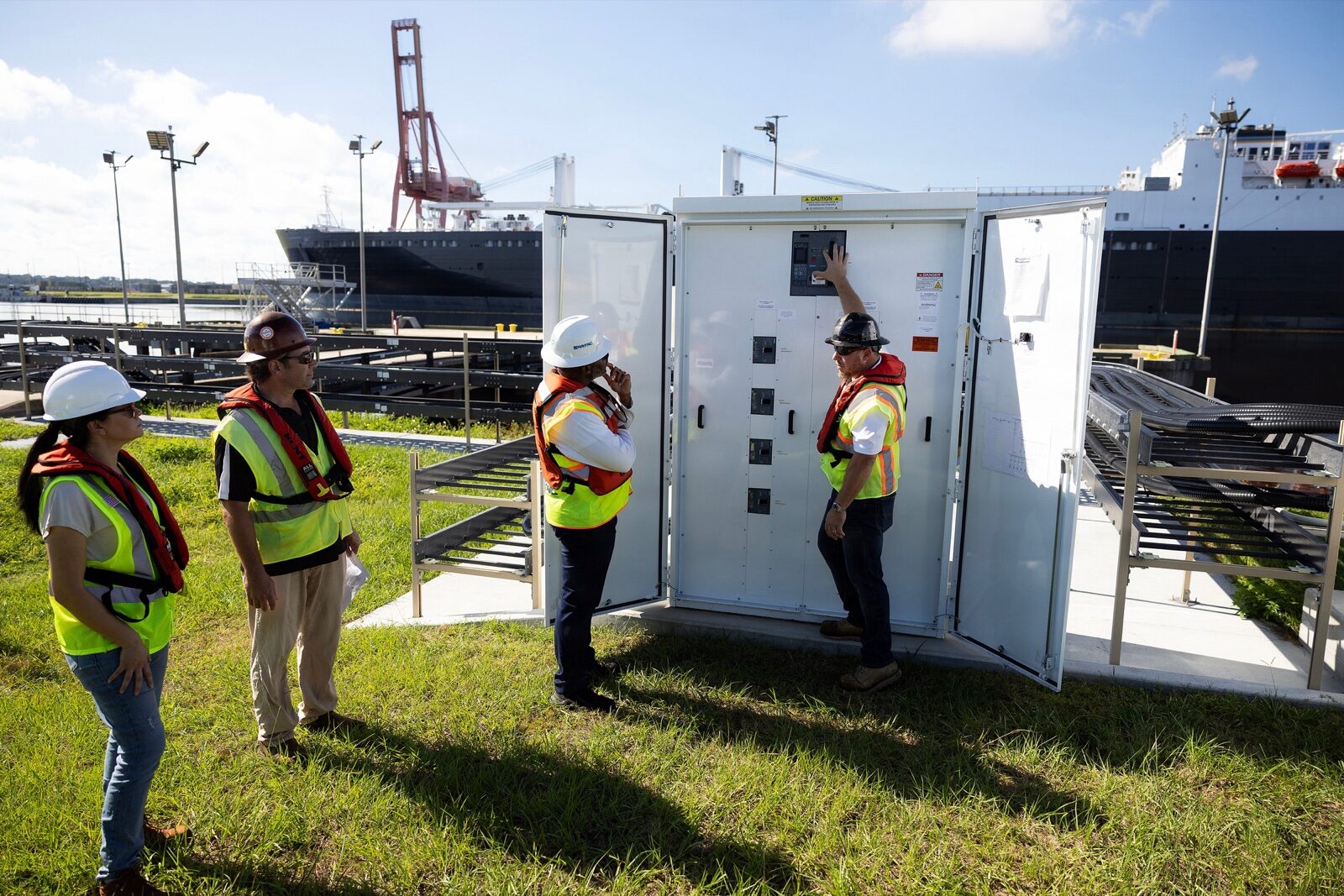
Engineers watched a demonstration of the new shore-power equipment during a final walkthrough on 14 October, according to a Marine Corps story by Dustin Senger of Blount Island Command. The major electrical equipment is in place and has passed testing, and engineers are scheduling training. An image caption from the walkthrough says the system is expected to supply shoreside electricity to maritime prepositioning ships in November.
The money
Naval Facilities Engineering Systems Command Southeast puts the project cost at roughly $4.5 million. Crews ran cable underground, mounted brackets under the pier, installed transformers and switchboards and improved drainage. The system serves one berth along the installation's 1,000-foot slipway on the St. Johns River.
The return is in fuel. Military Sealift Command, which runs the prepositioning ships, estimates that shore power could reduce the cost of supplying electricity to a berthed ship by 20 to 30 per cent compared with running its generators. The estimate counts auxiliary-engine fuel, maintenance and labor, and it depends on local electricity and fuel prices. Planning estimates show generators aboard some of the ships can burn more than 4,000 gallons of fuel a day.
That is about 120,000 gallons over a 30-day stay alongside, by this publication's arithmetic. The Marine Corps does not say how long ships typically stay at the berth, how much of that fuel the plug would replace or what the electricity will cost, so the payback period cannot be worked out from what has been published. That is the number to ask for.
Why the timing matters
Fuel is expensive right now. AAA's national average for road diesel was $6.32 a gallon on Sunday, about 20 cents below the record set on 22 September. The military buys marine fuel in bulk at its own prices, not at the pump, so the retail figure is a gauge of the market rather than of the Navy's bill. But a savings estimate that depends on "local electricity and fuel prices" moves in the Navy's favor when fuel is dear.
There are other gains. Less generator time means less maintenance on the ship's auxiliary engines and less exhaust at the pier in the lower St. Johns River basin, the story says.
What the Marines say
"We're increasing installation capability," said Yesenia Lizasuain, a facility planner with the installation's engineering branch. The system was designed for the Military Sealift Command ships that routinely use the slipway, but it could serve others. "We can support power to their ships and potentially other vessels, too," she said.
Blount Island Command maintains, modernizes and distributes the equipment and supplies carried on the prepositioning ships, which keep Marine Corps gear positioned forward, ready for issue to Marine forces worldwide.
What to watch next
Three things. Whether the berth enters service in November as planned. Whether Blount Island or Military Sealift Command publishes the first months of measured fuel savings, which would turn the 20-to-30 per cent estimate into a result. And whether the other four berths on the slipway get the same equipment. One plug is a pilot; five would be a policy.
Sources
- U.S. Marine Corps, Dustin Senger, "Blount Island shore power to cut ship fuel use, maintenance costs," DVIDS, 15 October 2026: https://www.dvidshub.net/news/577027/blount-island-shore-power-cut-ship-fuel-use-maintenance-costs
- DVIDS image 10014517 (caption giving the November service date): https://www.dvidshub.net/image/10014517/blount-island-shore-power-cut-ship-fuel-use-maintenance-costs
- AAA, national average diesel price, read 18 October 2026: https://gasprices.aaa.com/
The project details, cost, savings estimate, fuel-burn figure and the quotation from Yesenia Lizasuain come from a Marine Corps story by Dustin Senger of Blount Island Command, posted to DVIDS on 15 October 2026. The November service date comes from the caption of a linked DVIDS image from the same walkthrough. The AAA diesel average for 18 October comes from this publication's reporting today. The monthly gallon figure is this publication's arithmetic. The analysis is our own.
Topics businessenergydieselshipping