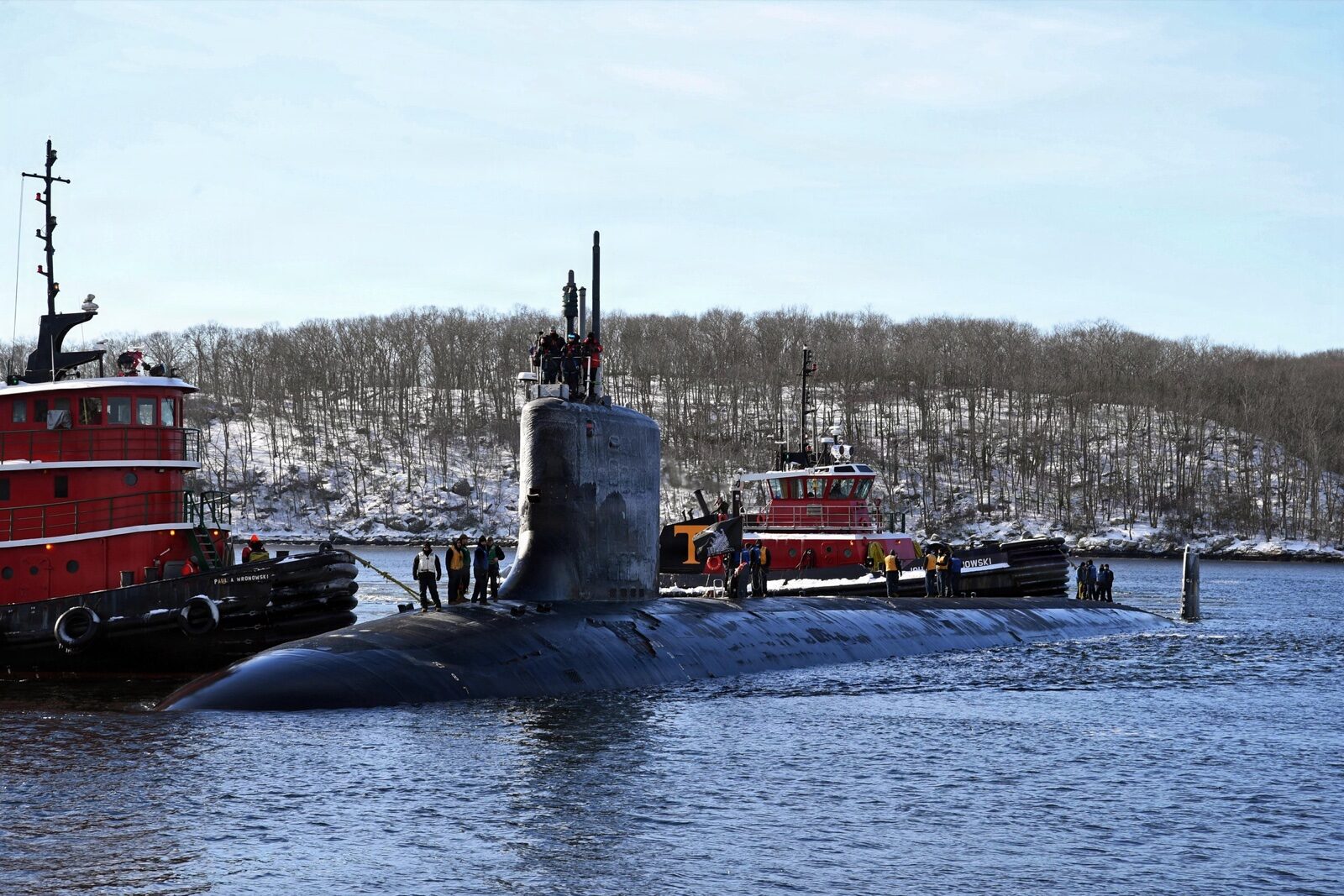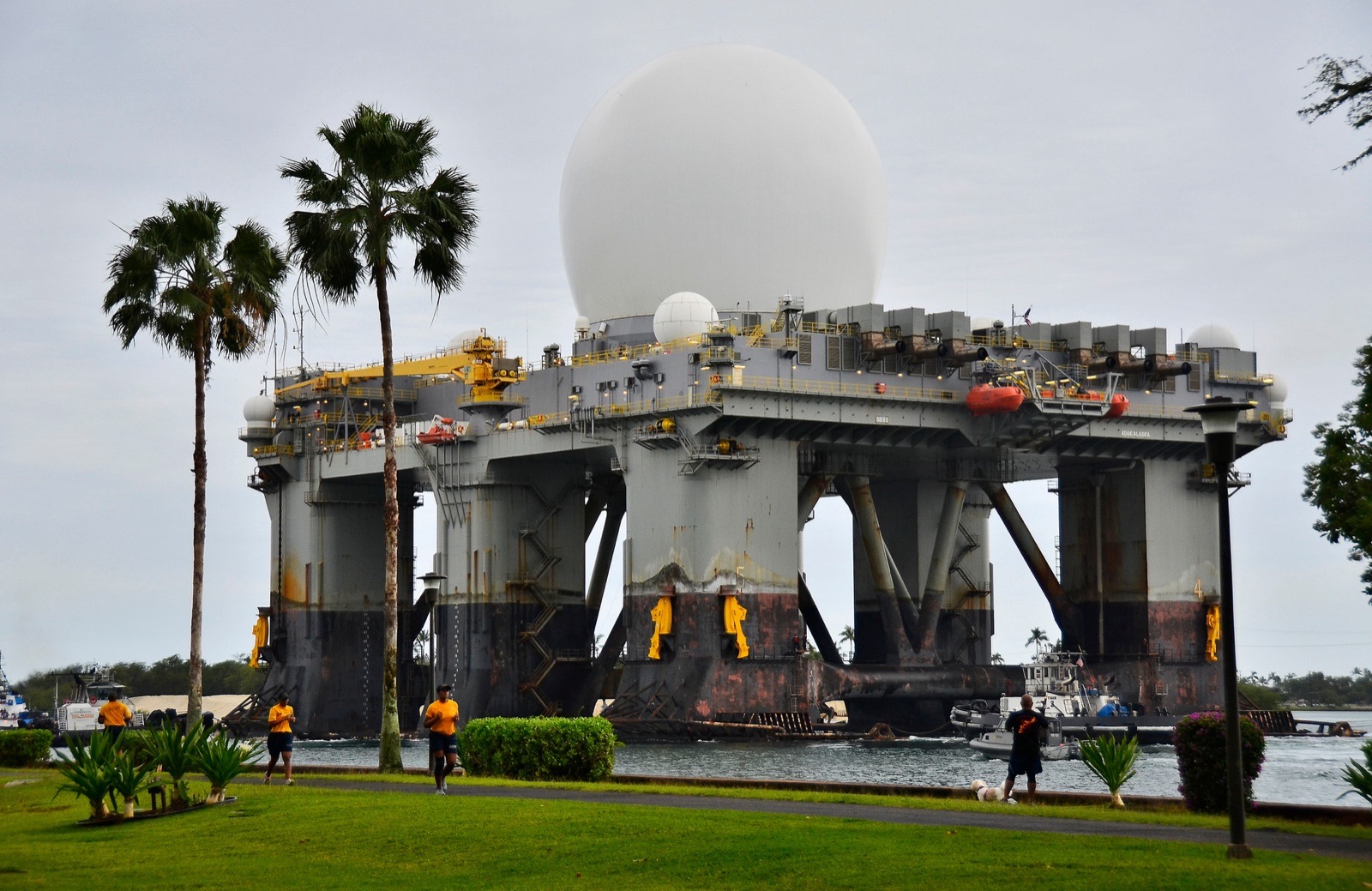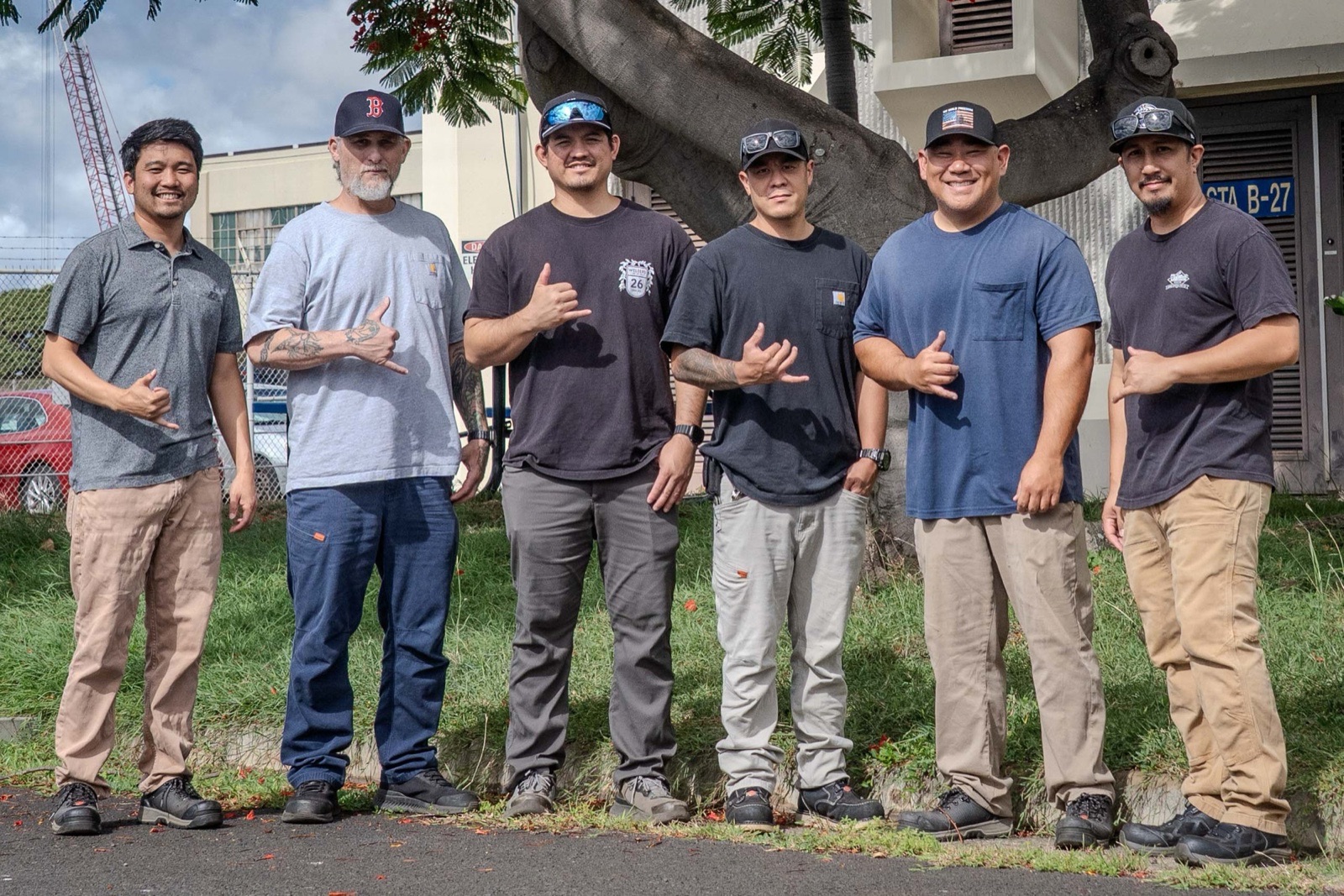
The U.S. Navy has run a small experiment in how to build submarines faster, and it reports that the welders passed. Six people from Pearl Harbor Naval Shipyard & Intermediate Maintenance Facility, a supervisor and five nuclear welders, spent a temporary-duty assignment at General Dynamics Electric Boat in Groton, Connecticut, welding pipe joints for the lead Columbia-class ballistic missile submarine. They achieved a 95.5 per cent pass rate on radiographically tested welds, according to a Navy story by Kenny Jones posted on Friday.
The pilot is small. Its context is not. Submarine construction is the Navy's most constrained industrial line, and the government is trying to move skilled people from its own repair yards to the private builder.
What the pilot did
The Navy account says the welders worked on Pre-Commissioning Unit District of Columbia (SSBN 826), the lead Columbia-class boat, and also supported Virginia-class fast-attack construction. Keith Potter, executive director of the Supervisor of Shipbuilding in Groton, called Columbia "the Department of War's top-priority acquisition program." Image captions on DVIDS say Vice Adm. Robert Gaucher, the director of submarine programs, presented the welders with Civilian Service Achievement Medals at a ceremony in Groton in July; the group was photographed back at Pearl Harbor on 14 September.
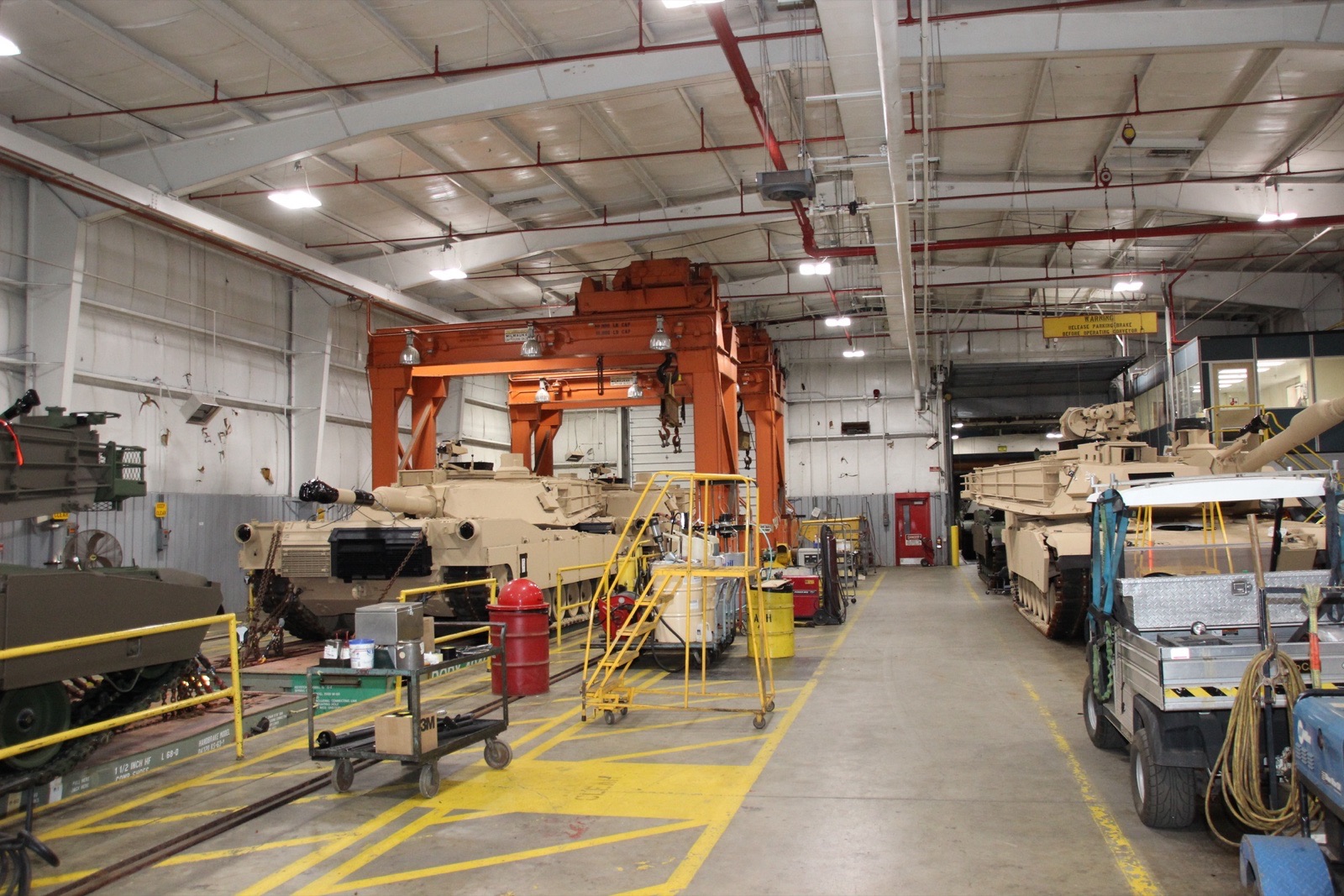
Repair work and new construction are different crafts. On a repair job in Hawaii, the Navy story says, the team can temporarily remove surrounding interference; in new construction it cannot. "There are some jobs that we had to do that were actually tighter than what we're used to back here," welder Stephen Umeno said. "It's the first time they tried it, and we just had to work with it." Welder Bronson Kimata described the standard: you have to "make sure your welding technique is going to pass X-ray in the end."
The story does not say how many welds were tested, how long the assignment lasted or what Electric Boat's own welders score. Without those, 95.5 per cent is a result, not a benchmark. That is our reading.
The case for the model
Potter said the effort lays groundwork for sharing skilled labor between public and private yards. "We at SUPSHIP Groton are helping EB get around 130 more public shipyard workers to come support" Columbia, he said. The Navy did not say over what period or at what cost.
The demand side is documented. On 29 July the Pentagon announced contract modifications to Electric Boat and to Huntington Ingalls' Newport News Shipbuilding for five Columbia-class boats (Build II), nine Virginia-class boats (Block VI), a tenth shipset of material and investments in shipbuilder productivity, with work expected to run to July 2038. The notice gives no total. It lists about $11.9 billion of funding obligated at award, by this publication's sum of its funding lines.
The same day Rep. Joe Courtney, the ranking member of the House Seapower and Projection Forces Subcommittee, put the awards at $76.6 billion: $42.1 billion for the Virginia-class boats, $29.5 billion for Columbia and $5 billion for shipyard enhancements. "These contract awards will be the driving force to stimulate growth across the submarine industrial base," he said, adding that the country "must continue expanding the successful workforce training programs." His release also noted record hiring at Electric Boat this year.
Against that backlog, six welders are a rounding error and 130 workers a modest addition. The interesting part is the model: the Navy is testing whether skilled labor it already pays for can be lent to a contractor. If it can, the constraint moves from hiring to scheduling, and to the repair yards' own workload, which the Navy story does not address.
The budget risk
Money for the next generation of support ships is stuck. The government began fiscal 2027 under a continuing resolution that runs through 11 December, and Breaking Defense reported on 1 October that more than 150 new starts in the budget request cannot begin under it. Among them is $4.4 billion for two submarine tenders to support Virginia- and Columbia-class boats. The construction lines themselves are existing programs under the July awards, so the welding pilot is not directly affected. The tenders are.
What to watch next
Three tests. Whether the Navy publishes the pilot's weld counts and cost. Whether the 130 additional workers arrive on a published schedule. And whether Congress passes full-year appropriations before 11 December. A shared-workforce model is cheap to announce and hard to staff.
Sources
- U.S. Navy, Kenny Jones, "Pearl Harbor Naval Shipyard Welders Excel in Groton," DVIDS, 15 October 2026 (posted 16 October): https://www.dvidshub.net/news/577074/pearl-harbor-naval-shipyard-welders-excel-groton
- Department of War, Contracts for 29 July 2026: https://www.war.gov/News/Contracts/Contract/Article/4559059/contracts-for-july-29-2026/
- Rep. Joe Courtney, statement on $76.6 billion contract awards, 29 July 2026: https://courtney.house.gov/media-center/press-releases/courtney-statement-new-766-billion-contract-awards-electric-boat-block
- Breaking Defense, "Can't start, won't start: Over 150 new military programs face delay under a CR," 1 October 2026: https://breakingdefense.com/2026/10/cant-start-wont-start-over-150-new-military-programs-face-delay-under-a-cr/
The cohort, the 95.5 per cent figure, PCU District of Columbia, the Virginia-class work and the Potter, Umeno and Kimata quotations come from a Navy story by Kenny Jones, dated 15 October and posted to DVIDS on 16 October 2026. The July award ceremony comes from the captions of the story's linked DVIDS images; the group photograph's caption dates it 14 September 2026. The DVIDS story and the group caption spell one welder's surname Woods; one award caption spells it Wood. The contract terms, ship numbers, completion date and funding obligated at award come from the Department of War's contract announcements for 29 July 2026; that notice gives no total value. The $76.6 billion and its $42.1 billion, $29.5 billion and $5 billion parts, and Rep. Courtney's quotations, come from Courtney's statement of 29 July 2026. The continuing-resolution details come from Breaking Defense, 1 October 2026. The sum of the obligated funding lines is this publication's arithmetic. The analysis is our own.
Topics businessshipbuildingsubmarinesElectric Boatworkforce