The town festival has a long history of being funded on sentiment. A committee organizes it, the council allocates a modest sum from wherever modest sums come from, local businesses sponsor a banner, and nobody asks what the return was because the question would have seemed rude.
That has changed in a way that is mostly good and partly corrosive. Festivals are increasingly funded from economic development budgets, justified with visitor spending estimates, and evaluated against alternative uses of the same money.
Why the reclassification happened
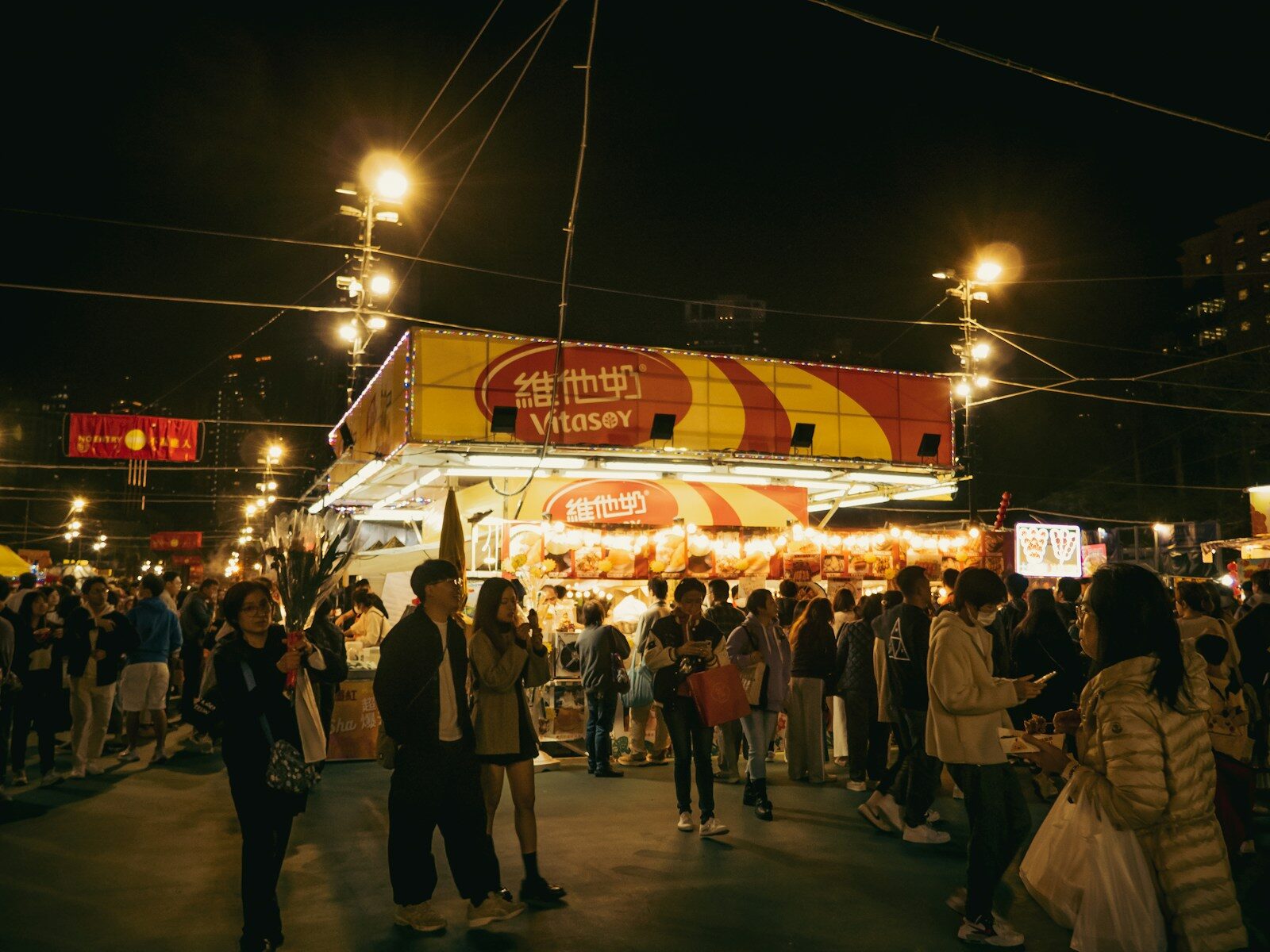
The reasoning is sound. A well-run festival brings people into a commercial district, fills hotel rooms, generates sales tax and produces the kind of coverage a small municipality cannot otherwise buy. Compared with the incentive packages towns have historically offered to attract employers, the cost per visitor is favorable and the money stays local, since it is spent on local staging, local vendors and local labor.
There is also a defensive motive. Retail districts that lost their anchor tenants have been rebuilding around experience rather than goods, which is the belonging strategy applied at the level of a street rather than a store, and a festival is that strategy's most concentrated form.
The trouble arrives with the measurement. Visitor spending figures for local events are typically produced with multipliers borrowed from much larger studies and applied optimistically, counting spending that would have happened anyway and attributing regional activity to a single weekend. Everyone involved has an interest in the number being large, and nobody has an interest in auditing it, which is a reliable formula for figures that drift upward year over year.
That matters because the numbers now compete. Once a festival is a development expenditure, it is judged against other development expenditures, and a committee that inflated its impact to secure funding has set a benchmark it will be held to. Several towns have cut long-running events after a more rigorous assessment produced a smaller number, without much consideration of what the event was doing that the assessment did not measure.
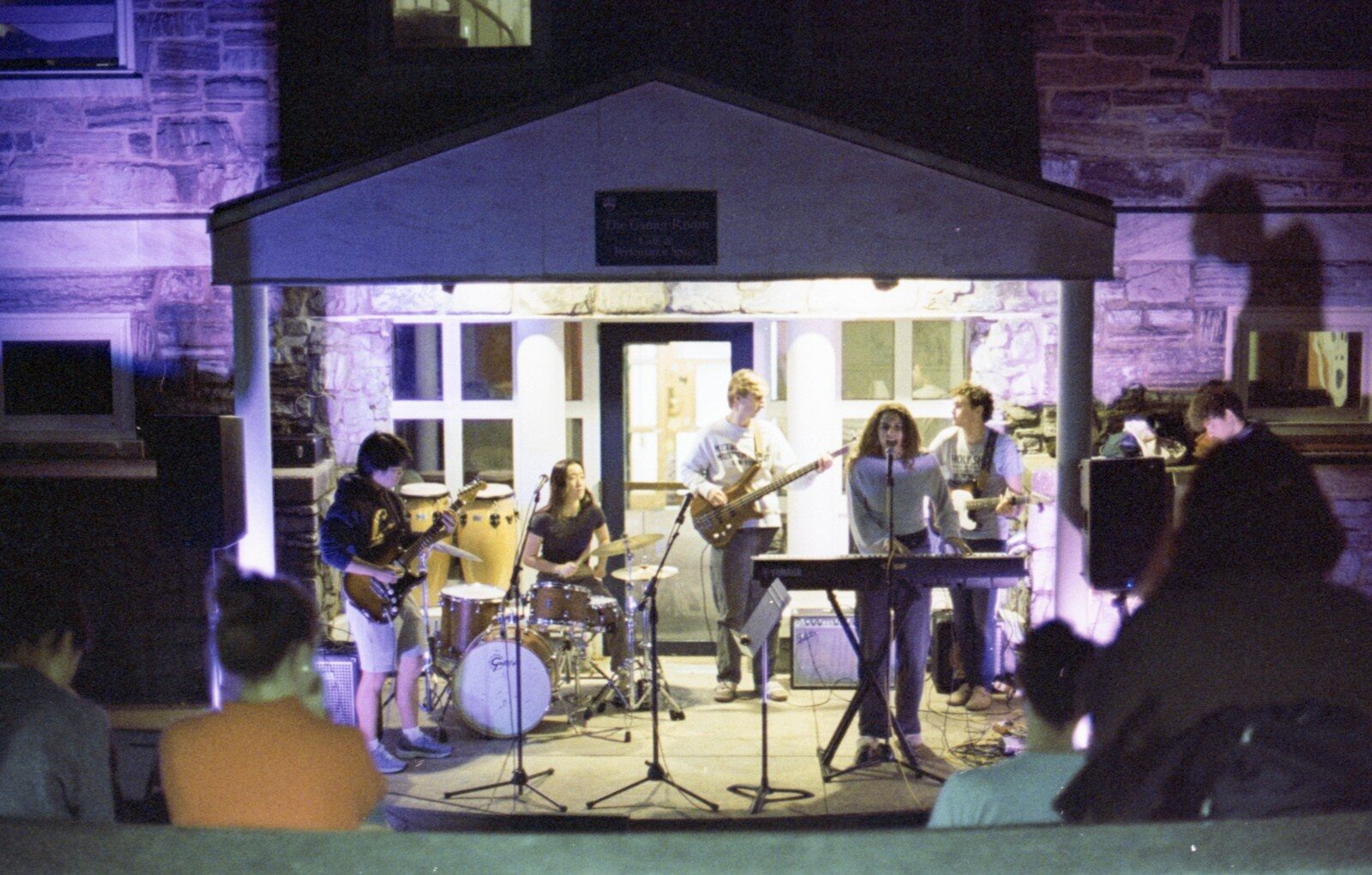
What it was doing is usually the thing the framework handles worst. A festival is where a town's institutions meet in public, where new residents encounter civic life, and where volunteer organizations recruit. Those effects are real, slow and invisible to a visitor spending model, and they are the same category of value that makes a library or a music venue worth more than its measurable throughput.
Volunteer capacity binds before money does. Most of these events depend on a small group of organisers who have run them for years, and the succession problem facing a festival committee looks a great deal like the one facing the businesses along the same street.
The towns handling this sensibly have stopped pretending the two justifications are one. They fund the economic case from development budgets with honest estimates, fund the civic case from general funds as a civic expense, and decline to inflate either into a defense of the other. That is less rhetorically powerful than a single large number, and it survives an audit, which the single large number generally does not.
Topics culturecommunitylocal governmenteventssmall business