Culture
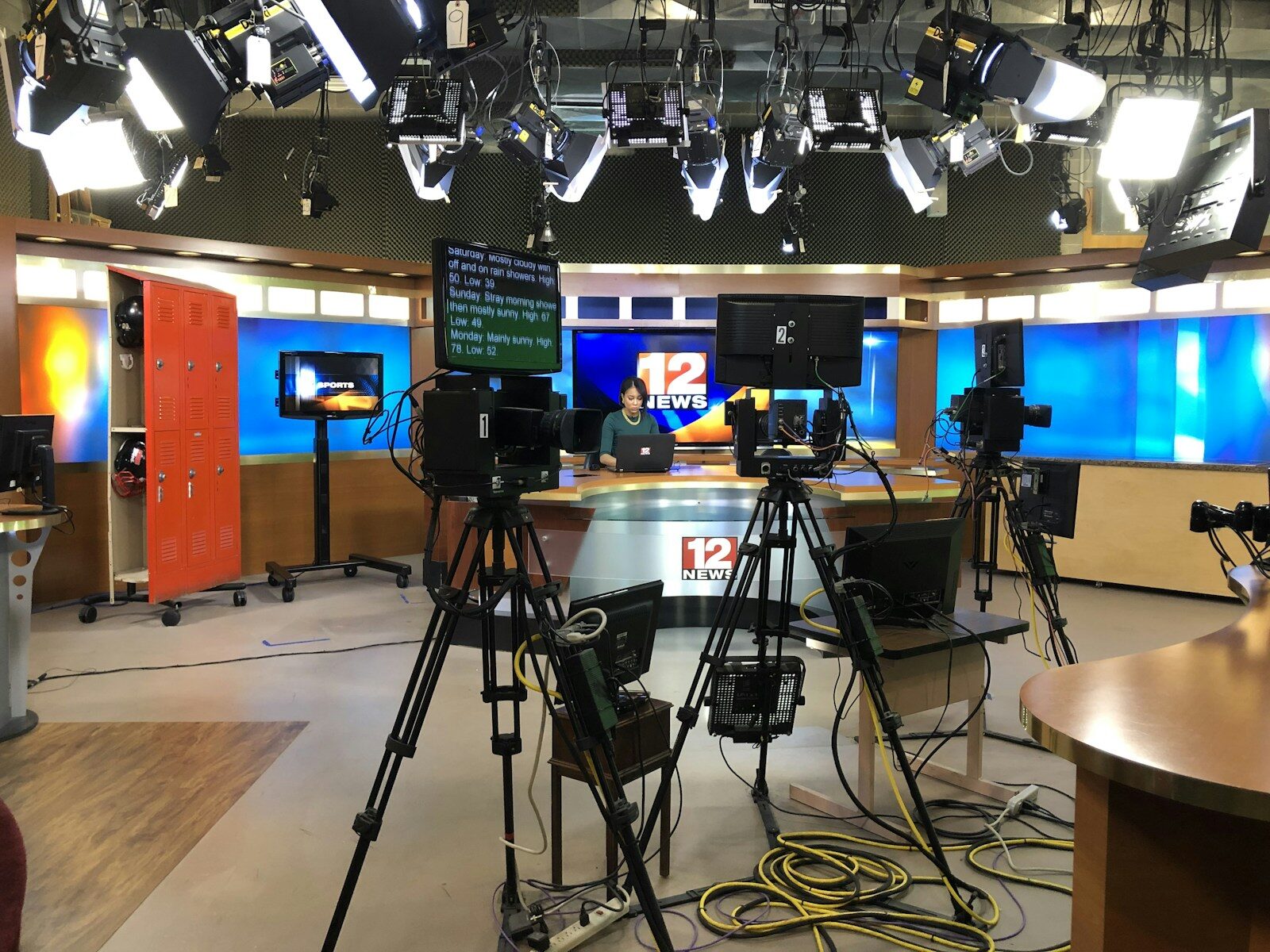
The Public Access Studio Becomes the Town's Media Center
Public access television was funded by a cable levy that cord-cutting is quietly ending. The studios that survived did so by becoming something the town needed more.

Friday, October 16, 2026
Public access television was funded by a cable levy that cord-cutting is quietly ending. The studios that survived did so by becoming something the town needed more.
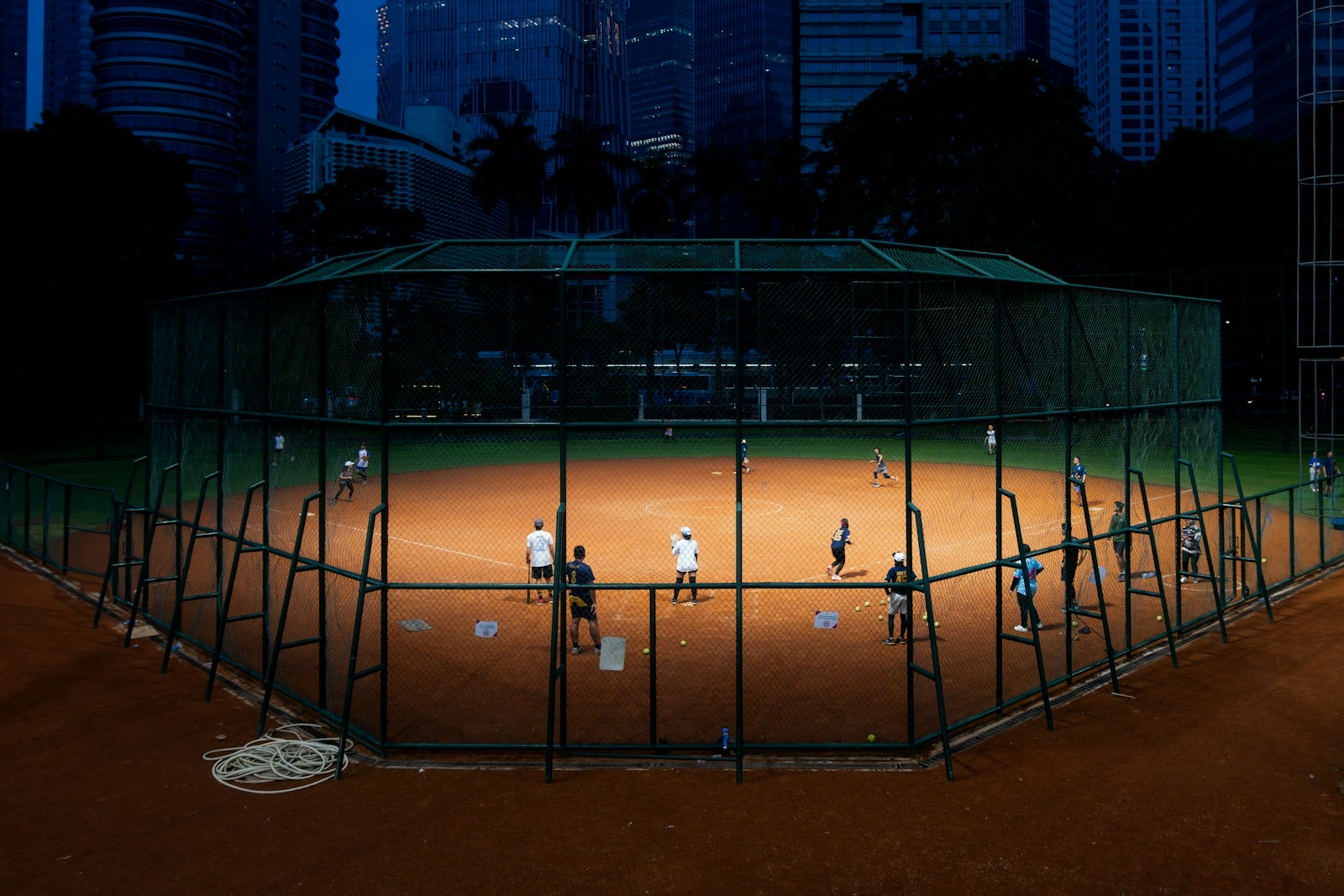
Adult recreational leagues are among the few remaining places where unrelated adults meet weekly on purpose. They run on volunteer commissioners and field access that towns increasingly sell to someone else.
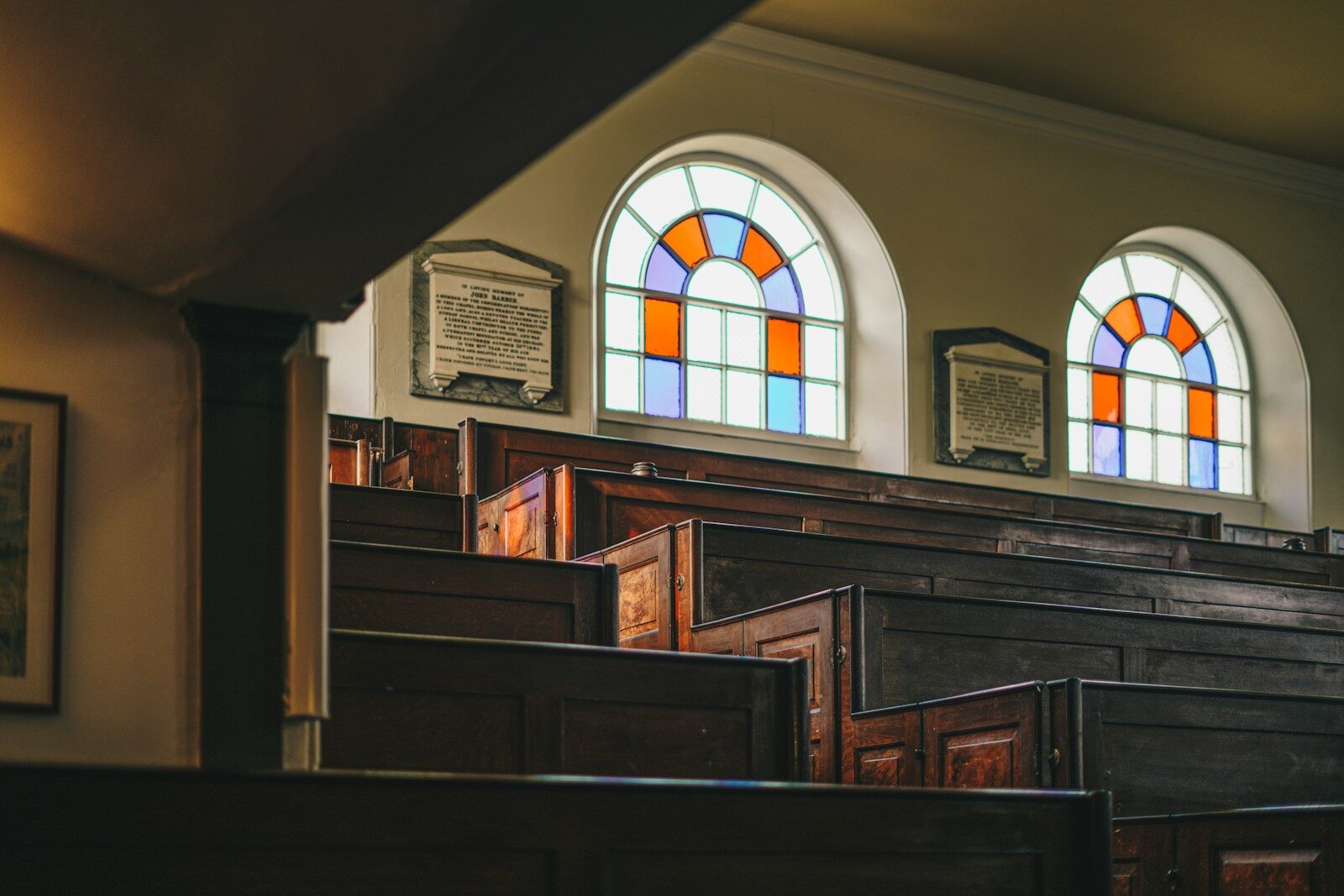
Religious institutions hold an enormous inventory of well-located, structurally sound buildings that fewer and fewer people attend. What happens to them is becoming one of the larger quiet questions in American land use.
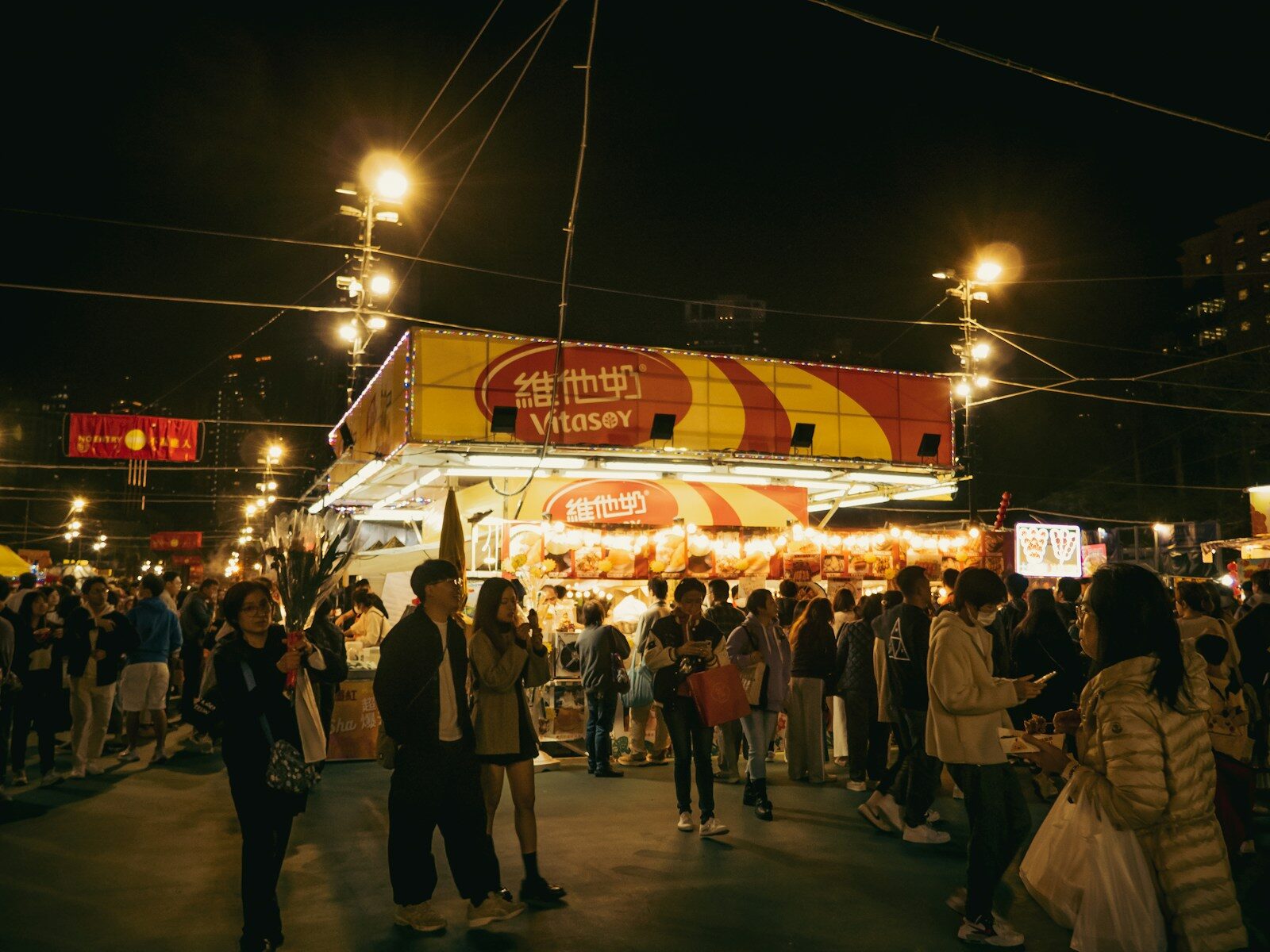
Towns that once treated the annual festival as a civic nicety now fund it from economic development budgets and measure it accordingly. The measurement is where the trouble starts.
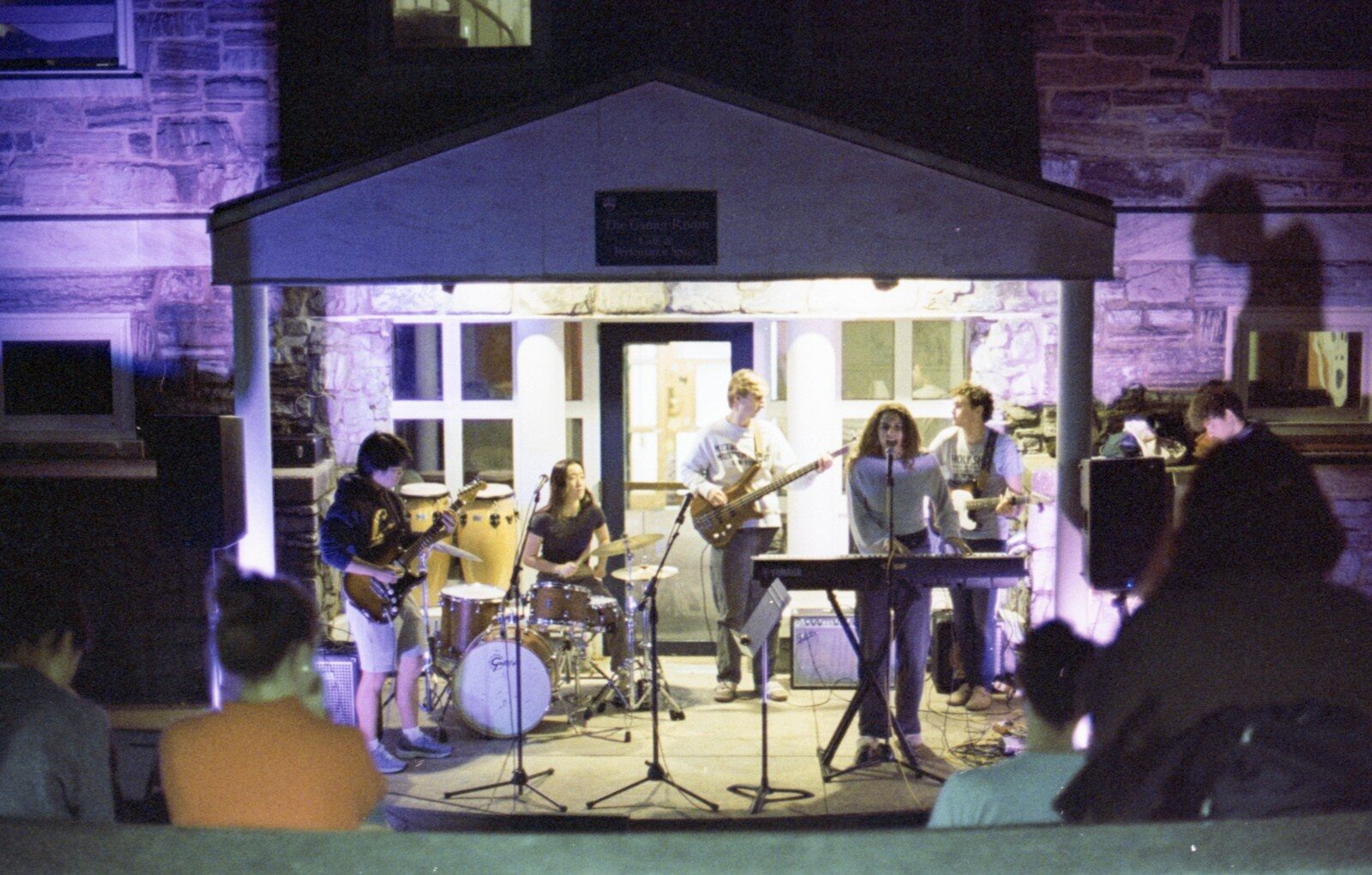
Touring economics hollowed out the rung between the bar and the arena. The rooms rebuilding it are doing so with nonprofit structures, civic support and business models borrowed from theatre.

Travel teams, private coaching and pay-to-play facilities have built a multibillion-dollar industry on childhood athletics, and the sandlot is the casualty.

The stores thriving in the post-e-commerce era have stopped competing on inventory and started competing on gathering, and the run club is the new loyalty program.

Visits, programming and circulation are climbing at public libraries reinventing themselves as the one remaining indoor public space with no purchase required.

Adults are enrolling in evening classes at rates not seen in decades, but the subjects, the venues and the reasons have all changed.