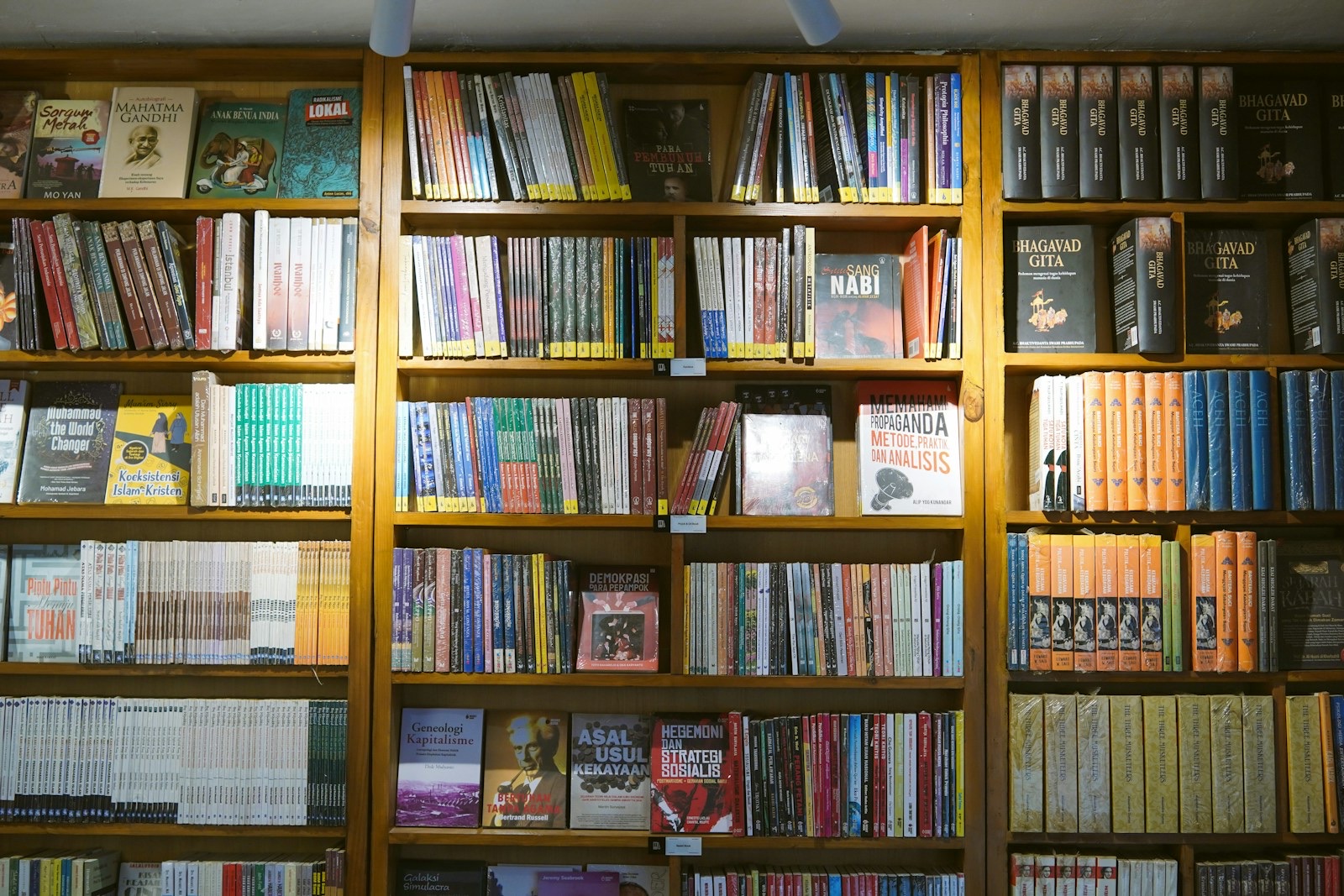
While commentary about civic decline fills feeds, the public library has been staging one of the quieter comebacks in American institutional life. Visits are up. Program attendance is up. And the reason, librarians report with a certain weariness, is not complicated: they are the last indoor public space where a person can simply be, without buying anything.
The modern branch reflects the mandate it inherited by default. Alongside collections sit tool libraries, recording studios, job-search coaching, tax help, English classes, teen rooms, warming centers and the small daily service of a bathroom and a chair. Circulation of physical books, supposedly obsolete, has held; circulation of everything else, from hotspots to sewing machines, climbs yearly.
Infrastructure by default
Librarians are candid that the expansion is partly a story about other systems retreating. When social services thin, the library absorbs the questions. The absorption has costs, staff burnout and facilities built for quieter missions, and the profession has responded by adding social workers to branch staff in a growing number of systems, formalizing what the front desk was already doing.
The funding politics remain perennial, but the usage data has changed the argument. A building drawing more weekly visitors than most commercial venues in its zip code is difficult to characterize as a relic.
The library's renaissance belongs to the same movement as retail's turn toward gathering and the night-school revival: a market correction in favor of rooms. The library simply never left the business.
The supply of such rooms is meanwhile shrinking from a direction few towns are watching. Congregations are closing buildings faster than anyone is converting them, and each one lost removes a hall, a kitchen and a few hundred seats from a neighborhood's inventory.
Cranberry Journal has also reported on the Youth Sports Economy Prices Out the Neighborhood.
The outdoor version of the argument is now reaching councils, where the municipal pool has become a budget fight.
Down the street the same arithmetic is running in the display cases, where the museum has discovered its collection is a liability.
Topics culturelibrariespublic spacecommunity