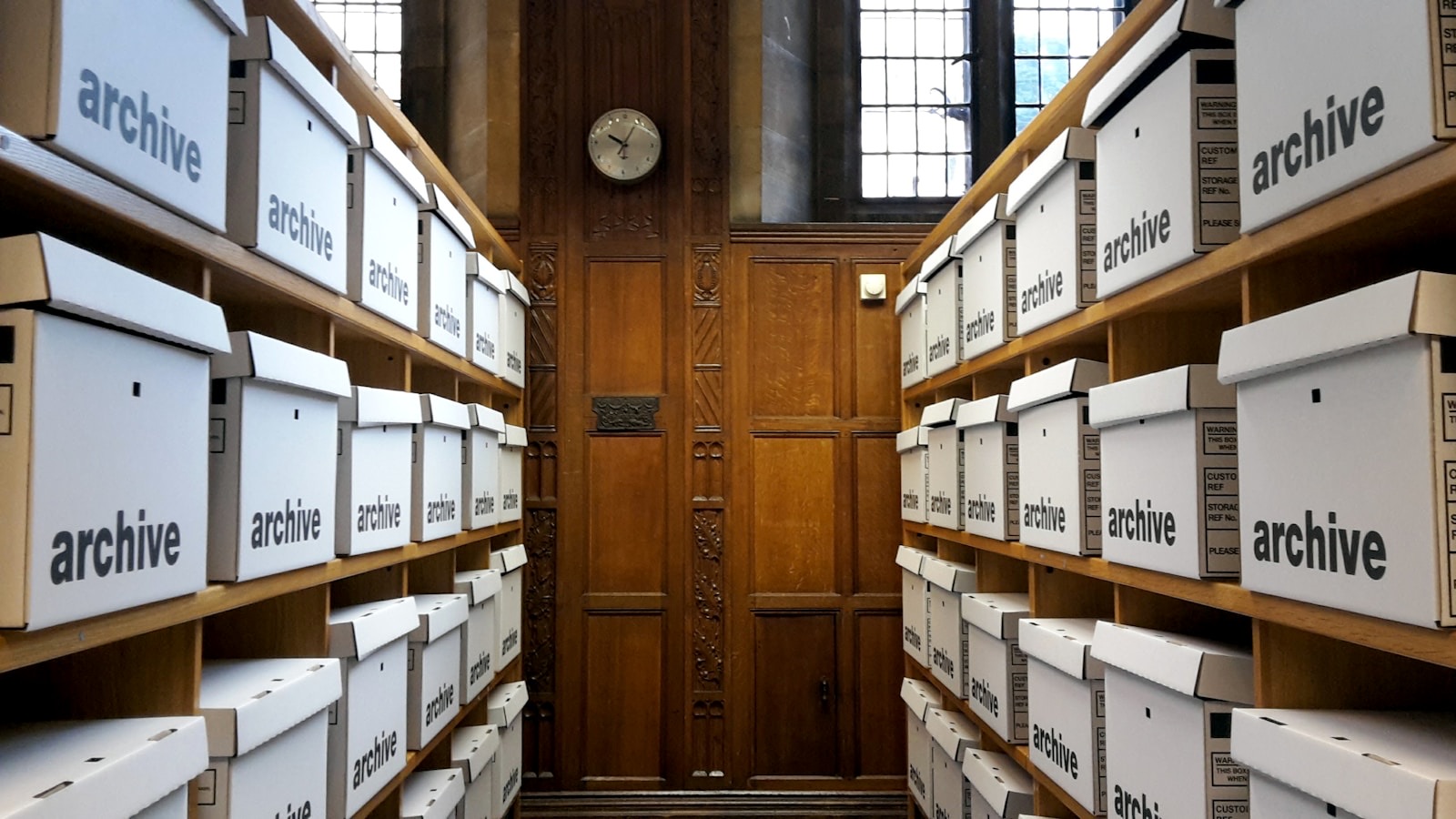
A local museum is judged on what is in the cases. Almost everything it owns is not in the cases. The typical small institution has a display representing a low single-digit percentage of its holdings, and the rest sits in a basement, an outbuilding or a rented unit, costing money every year and generating nothing.
That is not mismanagement. It is the accumulated result of a century of doing the thing local museums exist to do, which is accept what the community brings them.
Accepting an object is signing an indefinite contract
A donated object arrives free and is never free again. It needs somewhere with controlled temperature and humidity, a catalogue record, periodic condition checks, insurance, and eventually conservation. Spread across a collection assembled by generations of curators who found it very hard to say no to a founding family, the recurring cost is the largest line the institution has, and it is attached to material the public never sees.
The obvious response is to keep less, and this is where museums differ from every other organisation with a storage problem. Deaccessioning is heavily constrained by professional standards, and the binding one is about the money: proceeds from selling an object generally may only fund the care of other collections, not the roof, not the salaries, not the deficit. An institution can shed the obligation. It cannot convert the object into operating cash without stepping outside the standards that make it a museum.
There is a reason for that rule and it is a good one. Without it, every museum in financial trouble would be one board meeting away from selling its best pieces to cover a payroll, and the collection held in public trust would drain into private hands during exactly the downturns when institutions are weakest. The constraint exists to prevent a one-way ratchet, and it works.
It also means small museums are carrying inventories they cannot fund and cannot liquidate. What the better-run ones have done is unglamorous: catalogue properly so they know what they have, define a collecting scope narrow enough to justify declining a donation, and transfer material that falls outside it to institutions where it fits — which is permitted, generates no cash, and reduces the recurring bill.
Saying no is the hard part, because a donation is rarely just an object. It arrives with a family, a relationship and often a cheque, and refusing the first can cost the third. Directors describe this as the single most delicate conversation in the job, and the ones who have got good at it usually did so by having a written scope they can point at, so the refusal belongs to the policy rather than to them.
The pattern is the same one running through every institution a small town inherited from a more populous era. The cemetery runs on a fund that stopped working, the congregation cannot maintain the building, and the library has become the last free room in town partly because everything comparable is failing quietly. In each case the asset was donated with enthusiasm and the maintenance was assumed to take care of itself.
The question sharpens when the holding was alive: Manila's zoo could accept an elephant in an afternoon and never built a way to let her go, and Mali is now a permanent exhibit in the museum down the road.
Topics culturemuseumsinstitutionslocal government